Category: growing
-

The Cure For Brown Thumb Syndrome
I have a cure for Brown Thumbitis. Brown what you say?
I know lots of people (including yours truly) that say they are or were serial plant killers. Most had given up but I can share the secret for a happier life, at least in the garden 🙂 .
Here are my 6 steps to gardening success:
Relax
You can not achieve perfection or “success” in the garden so don’t try.
Experiment
Plant everything everywhere at least once. Your local climate, pests, soil types etc will send you a message as to what goes where and when. If something fails it is not a complete loss if you learn something. I write down what I learn about when to plant what in my Perth Grow It Calendar.
Talk
To your plants and other people (as many as you can). I converse with my plants and it makes both of us grow 🙂 . The internet is an amazing resource but it pales in comparison to that which you can glean from talking to other local gardeners.
Read
This blog a lot 🙂 🙂
Seriously though read anything you can on gardening. Start with general concepts and then go into more detail if you want to or if you are troubleshooting.
Enjoy
See between the gardening chores to find the peace and enjoyment the outdoors brings. If you don’t have lots of free time, design your garden accordingly so you don’t feel a slave to it. I go into more detail on my post Why Am I Writing This Blog?.
Eat
Eating your homegrown edibles is rewarding and addictive. This turns into motivation and the cycle is complete. Hot tip – Eating your produce before pests (what I call BadCritters) do is one sure fire way to stopping them being “ruined” or dying.
Enjoy,
PK
PS I would love to hear your success stories so drop me a line in the comments or at growitcatchitcookit@iinet.net.au
Please consider subscribing to get a weekly email summary of our posts.
[mc4wp_form id=”15771″]
Written by
·
-
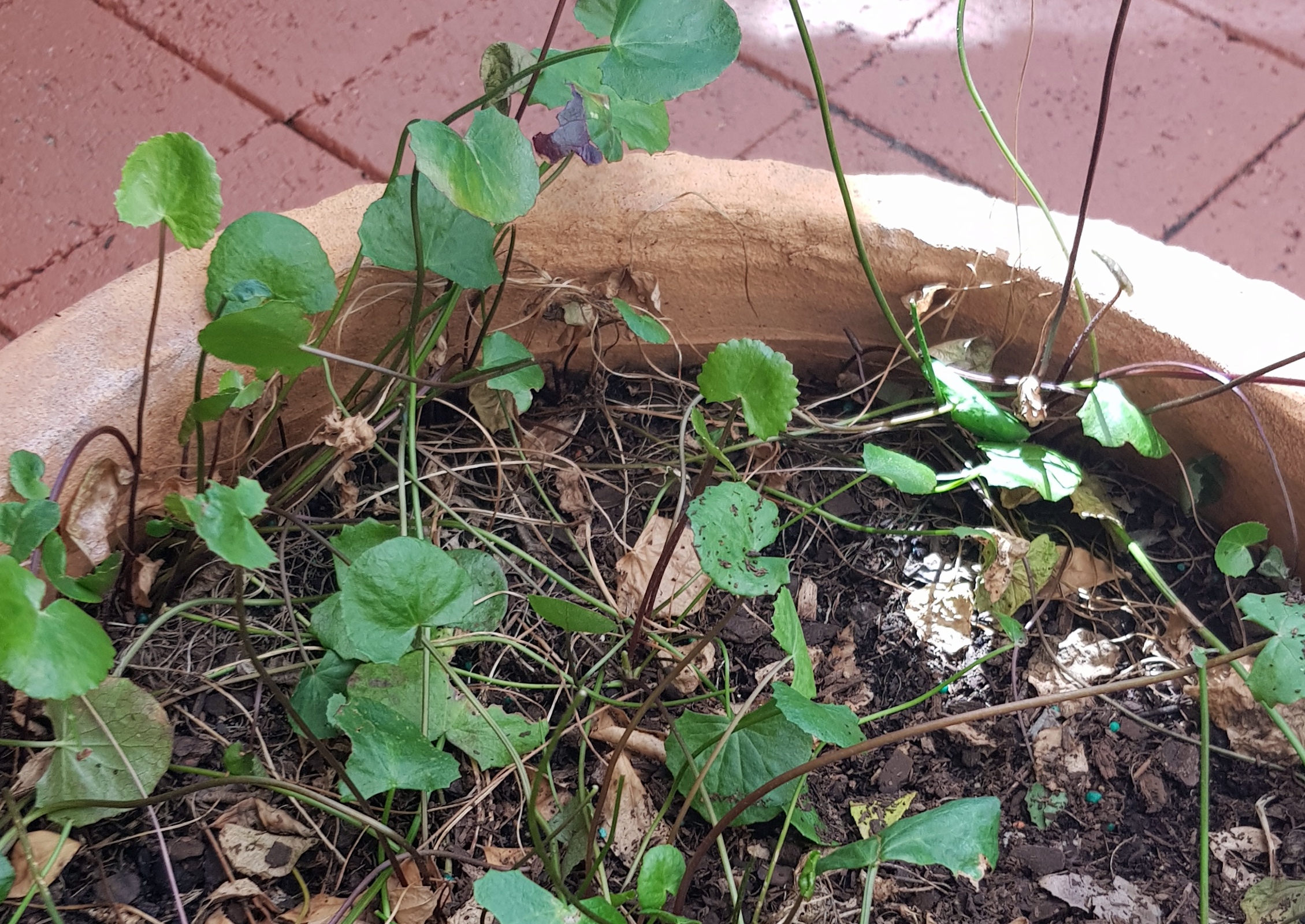
Gotu Kola
Gotu Kola is a herbaceous perennial native to Asia that can be grown as a ground cover or in a pot. It is often used in cooking as you would a leafy green in curries or soups. It can be eaten raw by itself or in a salad for that bit of zing.
It also has a reputation for its health benefits, especially aiding memory and relieving arthritis symptoms (hence one of its other common names, ‘arthritis herb’).
Taste/Aroma:
Gotu Kola is slightly bitter at first and then you quickly notice the astringent qualities. Eaten raw it leaves you with a pleasant tingle for several hour. It reminds me of Sichaun peppercorns in that respect.
Plant:

Planting/Care:
Please see the link at the bottom of the page for when to grow this plant in my Grow It Perth calendar.
Find a semi-shaded position in your garden with draining soil. The soil doesn’t need to be rich either.
In Perth the full sun tends to kill the leaves off and I suspect it will appear to die off in the coldest part of winter but will regrow when spring returns.
Related Links:
- go to all meal ingredients here
- go the Grow It Perth calendar
- see a work in progress map of edible plant species here
Please consider subscribing to get a weekly email summary of our posts.
[mc4wp_form id=”15771″]
Written by
·
-

Edible Plant Lifecycles
Planting out a kitchen garden takes planning and a knowledge of each edible plant’s lifecycle in the region you are in.
It might seem obvious that some plants just won’t grow where you live. Less obvious is that plants may behave differently if your climate is not their native one.
There are three main classes of edible plants that we need to know about.
Perennials
Edible plants that live for more than two years and are therefore not annuals or biennials (that die after one or two years respectively) are called perennials. The class is further broken down into herbaceous or evergreen with the former appearing to “die off” in the cold months, regrowing in spring from rootstock.
Evergreens by contrast do not “die off” but may loose their leaves and or stop producing fruit/edible leaves and flowers.
Perth climate edible perennials include lemongrass, rosemary, jalapeno chili, curry leaf tree and citrus trees. Perth is in a temperate region and can have cold winters. Therefore some perennials such as tomatoes have to be planted as if they are annuals.
We discuss this and true annuals in the next section.
Annuals
A true edible annual is one where the plant completes the germination from seed to growing, fruiting and production of seed within one year. The plant then dies. As mentioned in the previous section, some perennials are planted out as annuals depending on their tolerance to the extremes of climate in areas that they are not native to.
Perth climate edible annuals include basil and coriander.
Biennials
Edible biennials are often planted out as annuals too. This class of edible takes up to two years to complete the germination to seed production cycle.
Perth climate edible biennials include fennel and parsley.
Written by
·
-
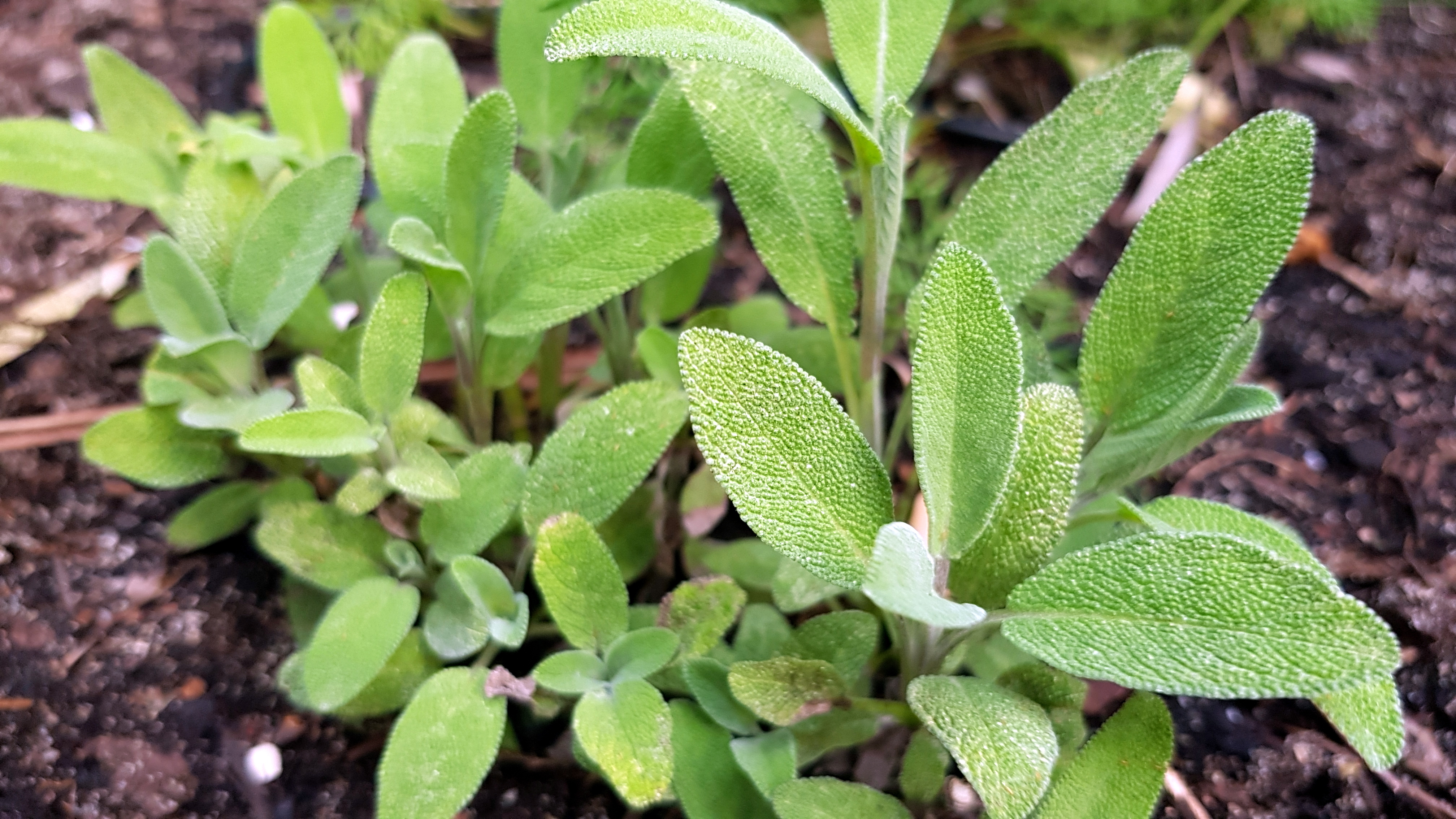
Sage
This essential herb can be grown in Perth as a perennial or an annual. I keep it trimmed down to a small clump to encourage growth. It was missing from my herb garden but no more 🙂
Next time you do a roast leg of lamb, season with salt, rosemary and sage for that most English of meals.
Taste/Aroma:
Rolling the leaves on your hand releases a pleasant smell that reminds me of eucalyptus oil. It has a slight peppery savoury flavour that pairs well with beef, pork, lamb, fish and pasta.
Flower:
Seeds:
Plant:

Planting/Care:
Please see the link at the bottom of the page for when to grow this plant in my Grow It Perth calendar.
Regular NPK in the ratios for vegetables every now and again and find a nice sunny well draining position. It will grow all year in Perth but prefers summer.
Related Links:
- see more sage posts here
- go to all meal ingredients here
- go the Grow It Perth calendar
- see a work in progress map of edible plant species here
Written by
·
-
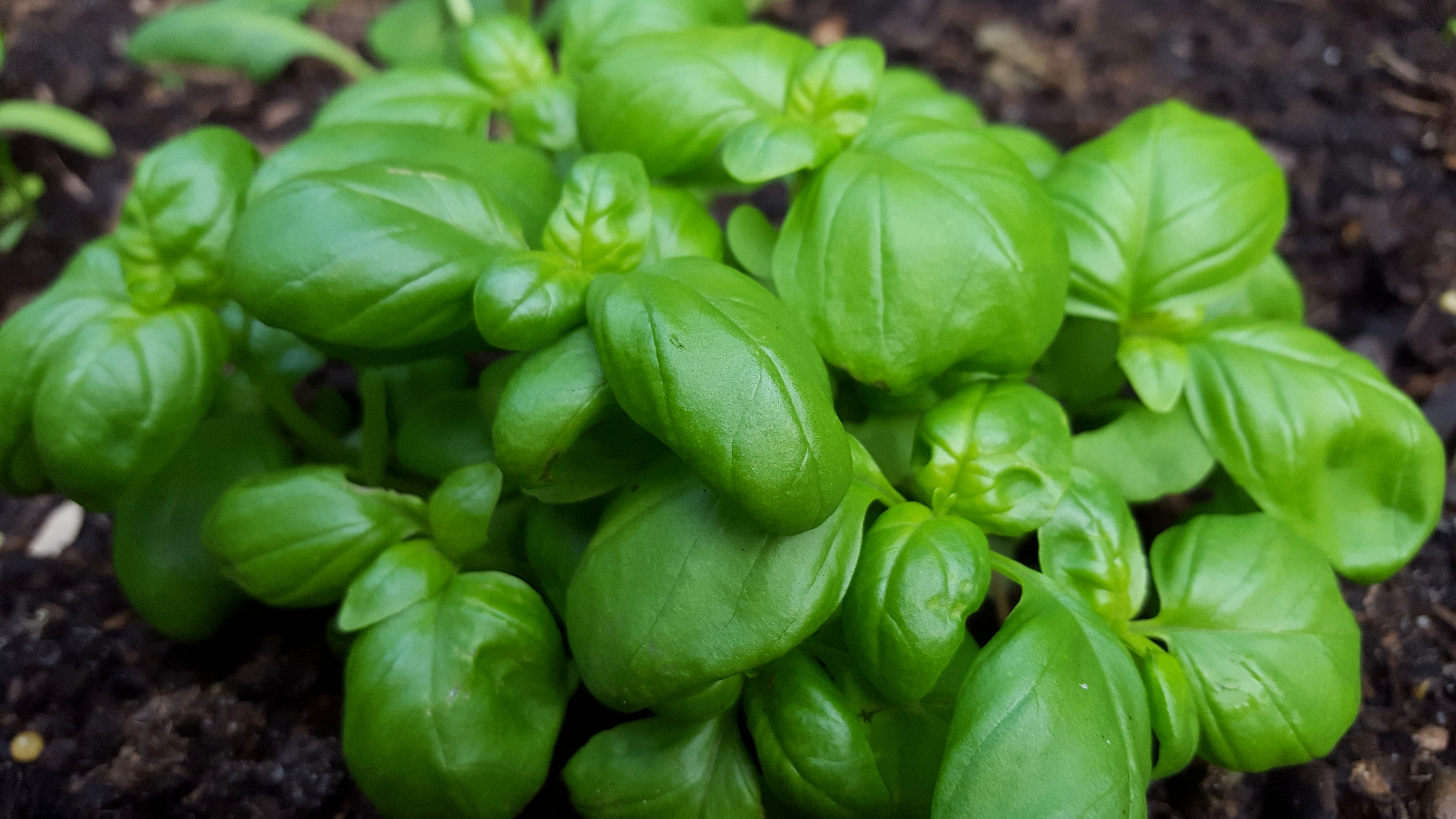
Basil And How To Store It
This ‘king of herbs’ is an amazingly aromatic cooking annual. It grows to about 15cm tall and although it does better in summer sun it will provide all year. It dries well but I would avoid freezing it as it doesn’t hold up well.
I use it in salads, pasta, pizzas, pesto, soups and stocks. See the links at the bottom of the page for some yummy recipe suggestions.
Taste/Aroma:
It has a mild white pepper taste at first and then bursts into a powerful grassy flavour. You know when you are smelling basil it is so unique (it is grassy, savoury with hints of citrus). Rub the leaves and the oils easily impart this smell that lasts for ages 🙂 .
Flower:

Plant:

Planting/Care:
Please see the link at the bottom of the page for when to grow this plant in my Grow It Perth calendar.
This herb can be tricky to grow during a cold Perth winter. Try and find a position that gets long periods of direct sun and well drained soil.
Storage:
You can of course dry the leaves and basil actually freezes well.
I tried a method recently that I found on the internet. You put a large sprig of basil in a glass or vase of water and then cover with a plastic bag. It kept well for a week and could have gone longer.

 It really works and I trimmed a few peices here or there as they drooped but got none of the drastic wilting and colour change I get leaving it in the fridge. On day 7 I cooked lasagna and broccoli pasta with it.
Note: I put the bag back on after I photographed it each morning.
Enjoy,
PK
Check out some of the dishes I use them in and some more herbs and spices:
Written by
·
-

GoodCritters: Praying Mantis
I have always been fascinated by praying manitses and love seeing them in my garden. I suppose you could also call them BadCritters because they eat GoodCritters if they catch them. However I think they are part of a balanced garden.
Females are larger than the males and are supposedly not good fliers. Both sexes however are masters of ambush. Their large compound eyes, lightning reflexes and rasped front legs make them deadly to their prey, other insects.
Species:
Identification:

Benefits:
I try not to use insecticides so it is important for me to try and let nature balance itself out when possible. Just like the presence of frogs in my garden I think these guys are a sign U am doing something right 🙂
Encouragement:
As usual keep insecticides and pesticides to a minimum.
More Resources:
- http://www.ozanimals.com/Insect/False-Garden-Mantid/Pseudomantis/albofimbriata.html
- See more GoodCritters here
Written by
·
-
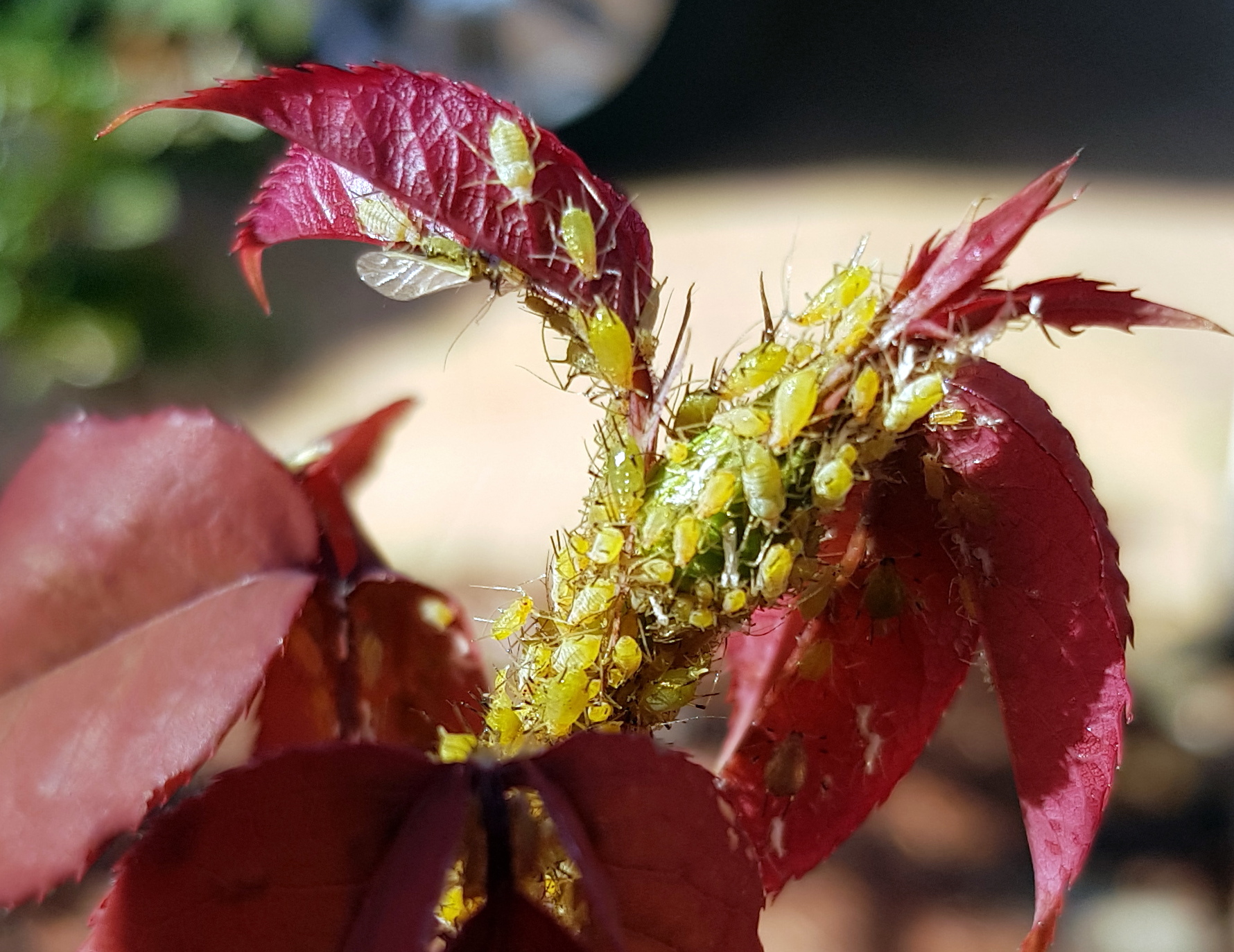
BadCritters: Aphids
These little plant suckers are often not noticed until their numbers are out of control. Another sign is that are often seen with ants that are “herding” them for the honeydew the aphids secret.
Species:
One of the many in the aphid superfamiy Aphidoidea.
Identification:

Damage:
Aphids suck the goodness out of the plants and this leads to them being in poor health. The honeydew they secrete attracts ants and fungal diseases and the holes they put in the plants can let in viruses.
Control:
I have only had a few infestations that my ladybird friends could not handle. In those cases I have used pyrethrum spray. I wait until my bee friends have gone to sleep though.
You can also use bio-oils or a good spray with the hose pipe will knock them off the plants.

More Resources:
Please consider subscribing to get a weekly email summary of our posts.
[mc4wp_form id=”15771″]
Written by
·
-
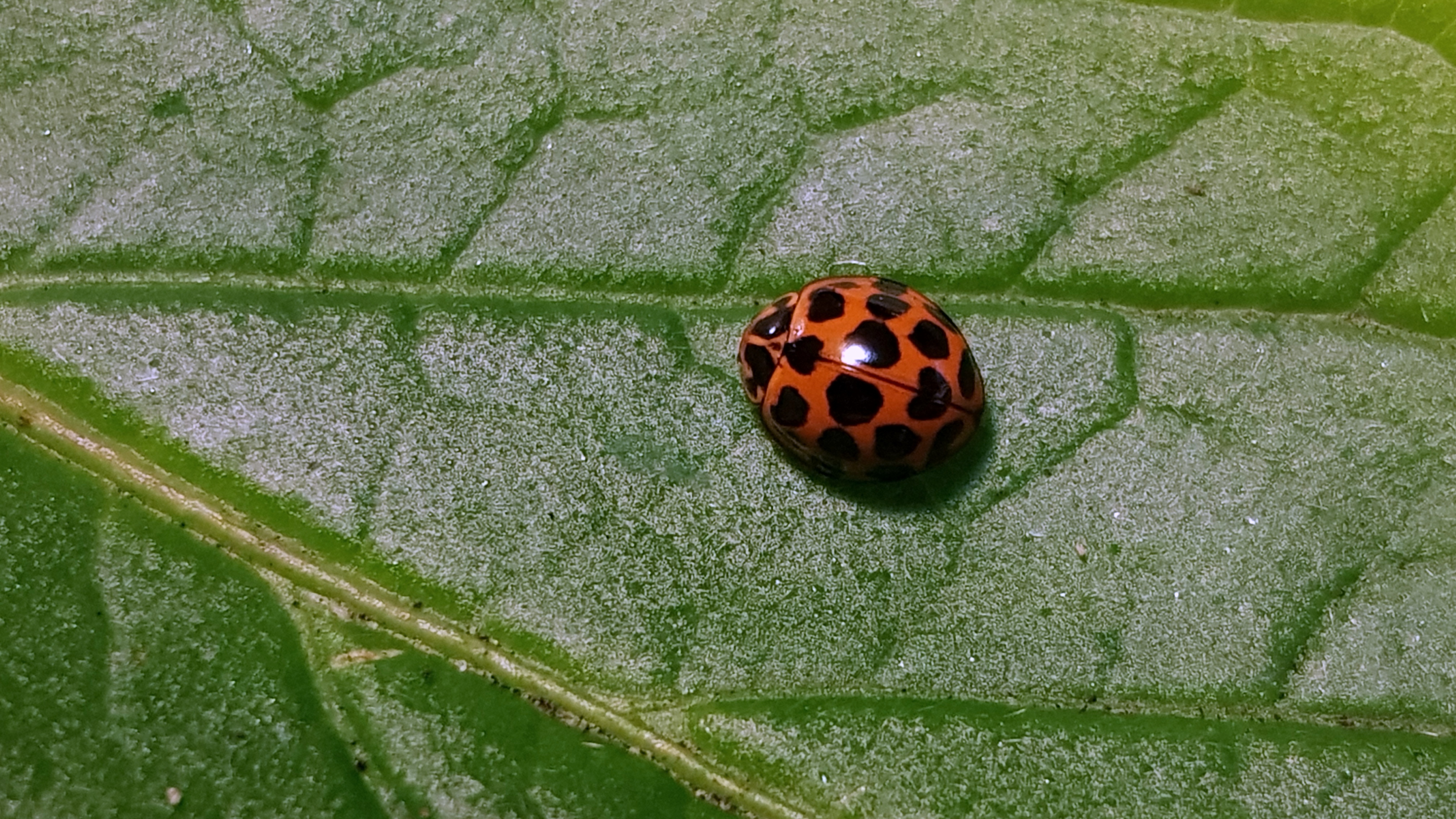
GoodCritters: Ladybirds
The common spotted ladybird is found in many gardens around Australia but species vary from state to state. There are even several introduced species.
Whilst they are a welcome visitor any day of the week in my garden, if you can’t see them don’t worry. That might just mean your garden’s BadCritter population is too low to attract them 🙂
When I see a ladybird I thank them and increase my visual inspection and squishing regime of said BadCritters (I try not to spray insecticides).
Species:
Identification:
Not our Western Australian species but you get the idea of their aphid killing potential 🙂
Benefits:
These little guys munch on other insects, especially aphids.
Encouragement:
As usual keep insecticides and pesticides to a minimum.
More Resources:
- Wikipedia https://en.wikipedia.org/wiki/Harmonia_conformis
- See more GoodCritters here
Written by
·
-
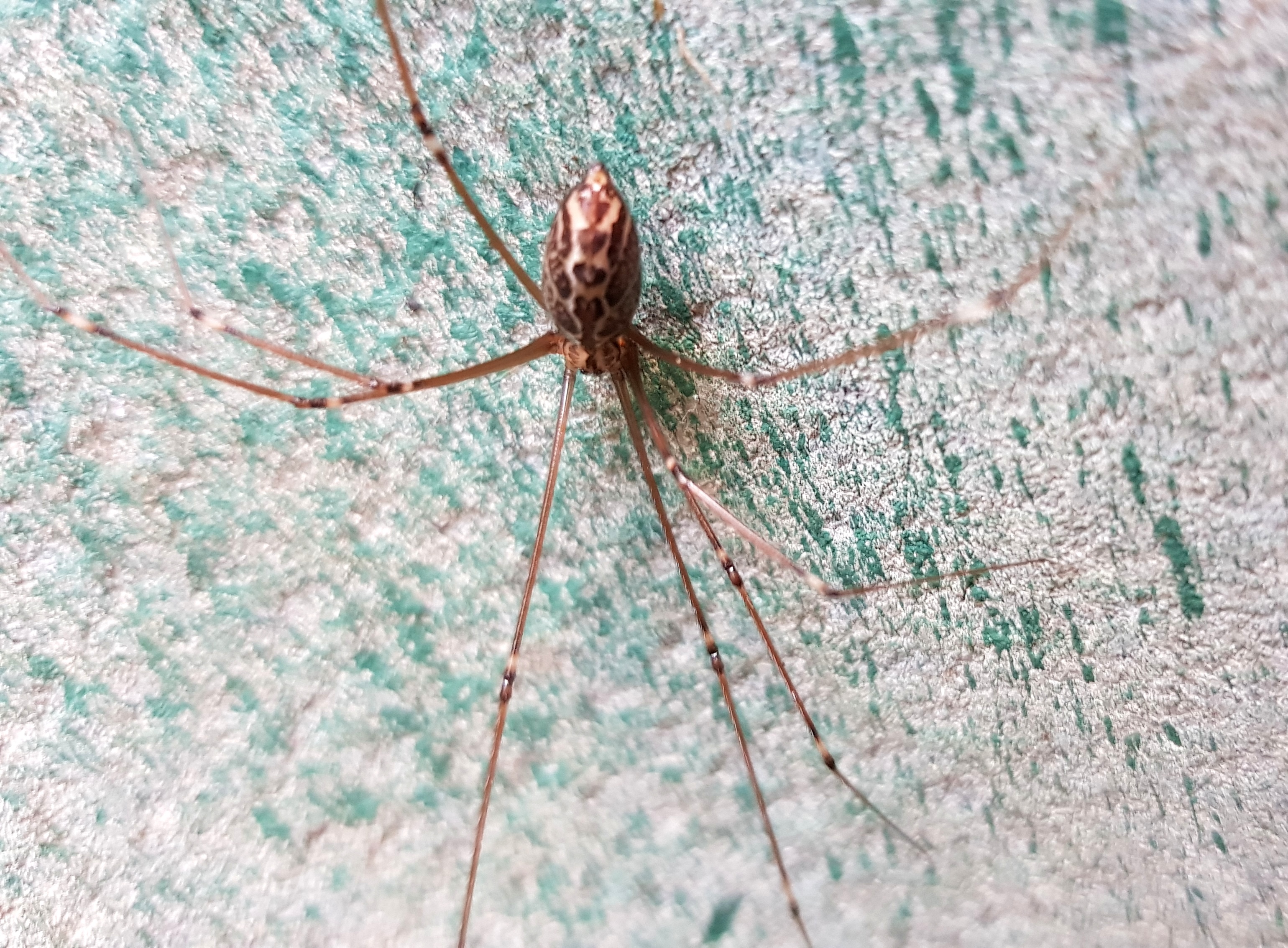
GoodCritters: Daddy Long Legs Spider
These delicate spiders get an automatic entry into the GoodCritters club :).
They munch on the munchers (BadCritters) and keep to themselves otherwise. Legend has it they can’t bite humans.
Species:
Identification:

Benefits:
These little guys munch on other insects such as mosquitoes, other spiders and slaters (woodlice).
Encouragement:
As usual keep insecticides and pesticides to a minimum. After that just ignore them and let them do their thing.
More Resources:
- Australian Museum australianmuseum.net.au
- See more GoodCritters here
Written by
·
-
Tatsoi
What a great addition to any salad or stir fry. It brings a little variety and that is great for your diet.
Tatsoi is an Asian cultivated variety of the same species as Komatsuna but with a subtler taste. I grow it as a ‘cut and regrow’ plant next to my other salad greens.
Taste/Aroma:
A very faint mustard aroma and taste. Very crisp punchy after taste but not a strong as rocket.
Plant:

Grow It Perth

Planting/Care:
Very easy to grow in rich friable soil. Occasionally use liquid fertiliser or pellets designed for use on vegetables. Nitrogen is useful when growing plants for their foliage.
You will get the normal suite of BadCritters such as caterpillars, weevils and the like. Visual inspection, keeping weeds down and eating the leaves before they do is the key 🙂 .
Related Links:
- see more asian green posts here
- go to all meal ingredients
- go the Grow It Perth calendar
Written by
·