Tag: goodcritters
-

GoodCritters: Praying Mantis
I have always been fascinated by praying manitses and love seeing them in my garden. I suppose you could also call them BadCritters because they eat GoodCritters if they catch them. However I think they are part of a balanced garden.
Females are larger than the males and are supposedly not good fliers. Both sexes however are masters of ambush. Their large compound eyes, lightning reflexes and rasped front legs make them deadly to their prey, other insects.
Species:
Identification:

Benefits:
I try not to use insecticides so it is important for me to try and let nature balance itself out when possible. Just like the presence of frogs in my garden I think these guys are a sign U am doing something right 🙂
Encouragement:
As usual keep insecticides and pesticides to a minimum.
More Resources:
- http://www.ozanimals.com/Insect/False-Garden-Mantid/Pseudomantis/albofimbriata.html
- See more GoodCritters here
Written by
·
-
GoodCritters: Ladybirds
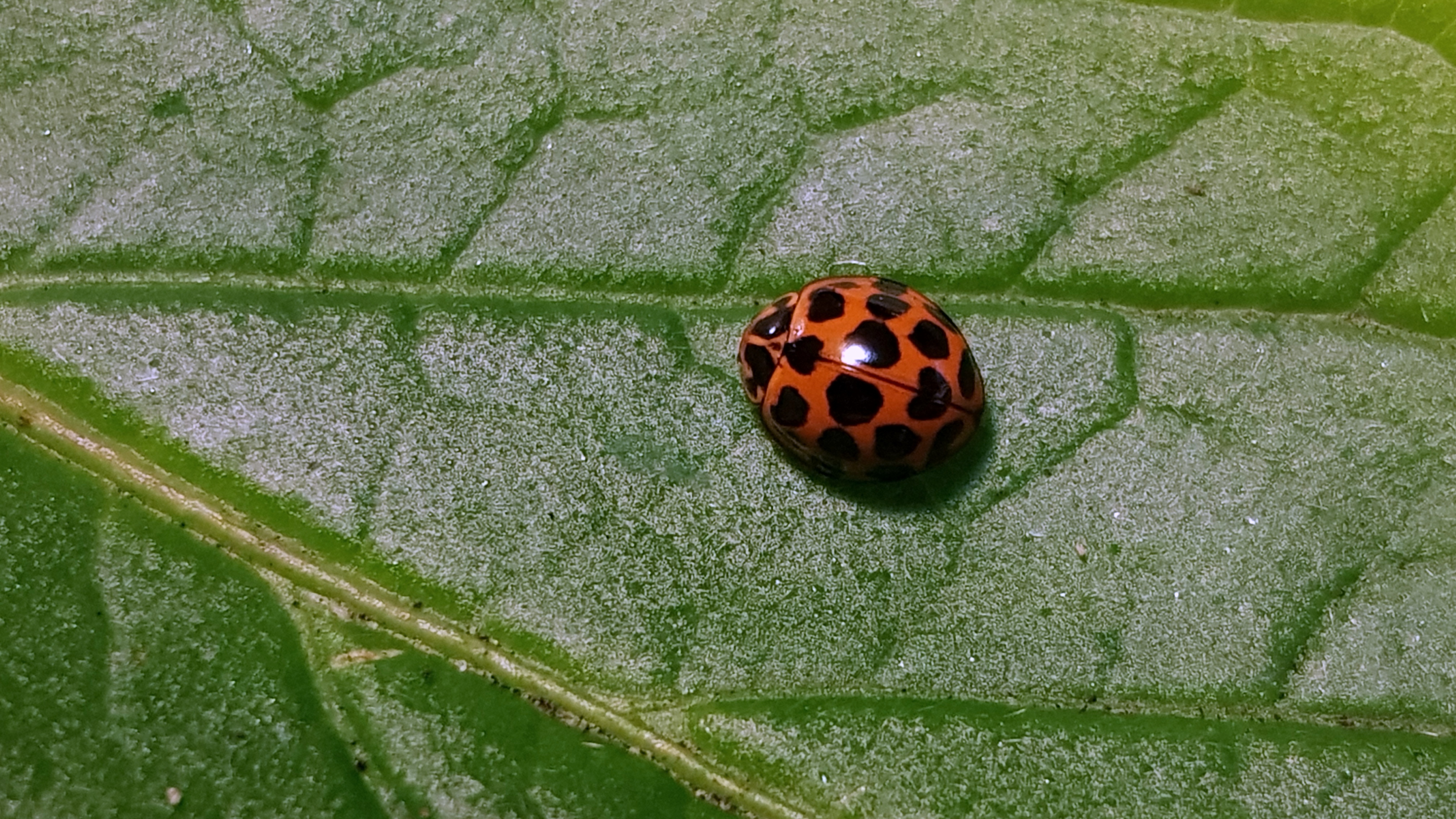
The common spotted ladybird is found in many gardens around Australia but species vary from state to state. There are even several introduced species.
Whilst they are a welcome visitor any day of the week in my garden, if you can’t see them don’t worry. That might just mean your garden’s BadCritter population is too low to attract them 🙂
When I see a ladybird I thank them and increase my visual inspection and squishing regime of said BadCritters (I try not to spray insecticides).
Species:
Identification:
Not our Western Australian species but you get the idea of their aphid killing potential 🙂
Benefits:
These little guys munch on other insects, especially aphids.
Encouragement:
As usual keep insecticides and pesticides to a minimum.
More Resources:
- Wikipedia https://en.wikipedia.org/wiki/Harmonia_conformis
- See more GoodCritters here
Written by
·
-
GoodCritters: Daddy Long Legs Spider
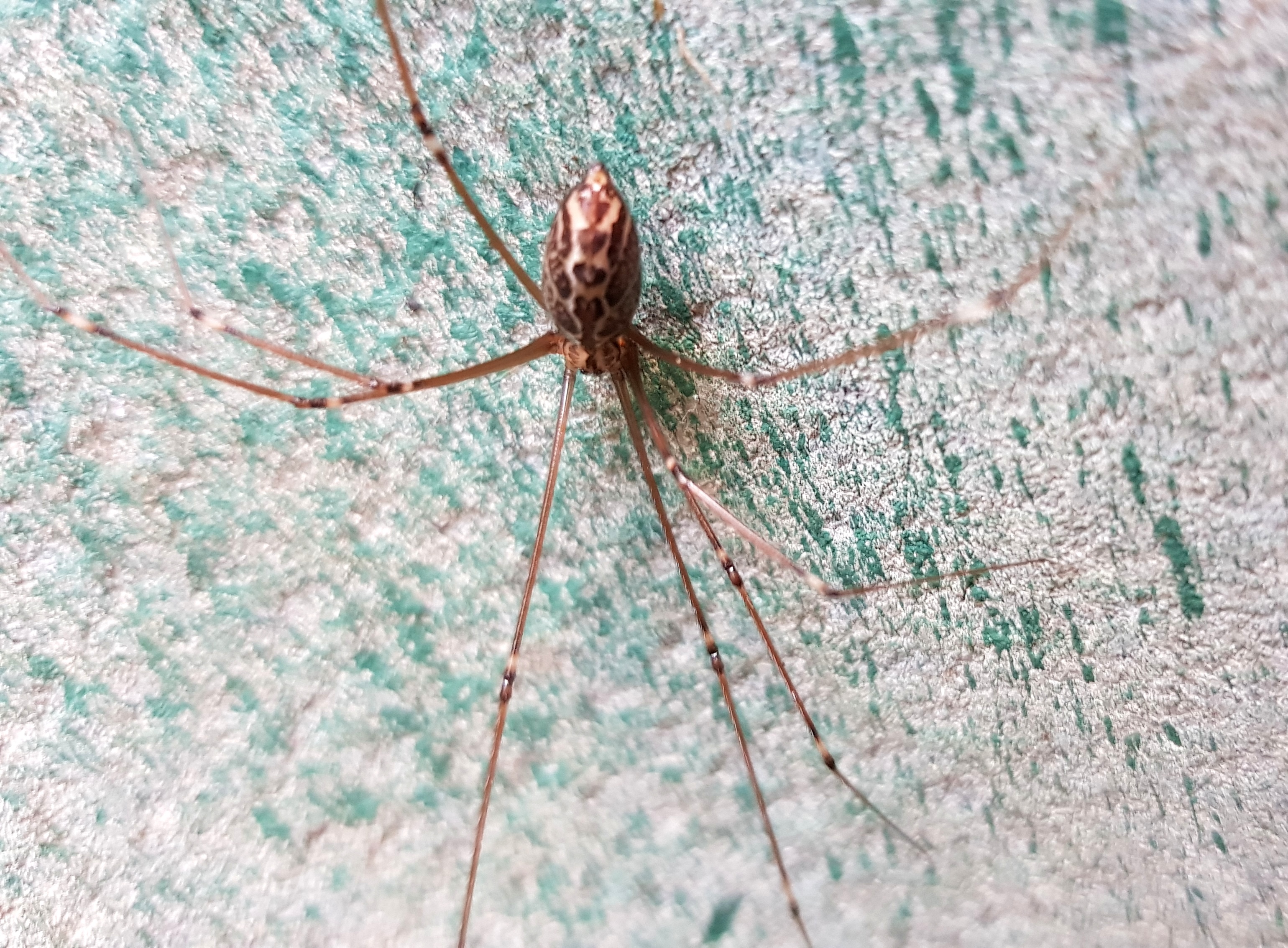
These delicate spiders get an automatic entry into the GoodCritters club :).
They munch on the munchers (BadCritters) and keep to themselves otherwise. Legend has it they can’t bite humans.
Species:
Identification:

Benefits:
These little guys munch on other insects such as mosquitoes, other spiders and slaters (woodlice).
Encouragement:
As usual keep insecticides and pesticides to a minimum. After that just ignore them and let them do their thing.
More Resources:
- Australian Museum australianmuseum.net.au
- See more GoodCritters here
Written by
·
-

GoodCritters: Western Honey Bee
Bees are one of my favourite insects. They have co-evolved with flowering plants and their benefit to your garden can not be overstated. So you can definitely say that humans and bees have a strong relationship albeit pretty one sided.
The species of bee that we all recognise on sight is not native to Australia however and was introduced here in the 1820s. I still love them :).
Species: Apis mellifera
Identification:


Some amazing slow motion footage of bees leaving and returning to my friend Giuseppe’s Flow Hive in slow motion.
Benefits:
Bees:
- pollinate many of our flowering edibles
- make honey, beeswax etc
- are pleasant to watch and listen to
Encouragement:
Plant flowers near or between your edible crops to encourage bees into your garden. Avoid the use of pesticide sprays and systemic controls that are harmful to bees.If you have to spray, do so in the evening so no bees are present and use low toxic, fast breakdown products like pyrethrum liquid.
More Resources:
- BBC’s ‘The importance of bees’
- Native Australian species ‘Wikipedia‘
- See more GoodCritters here
Please consider subscribing to get a weekly email summary of our posts.
[mc4wp_form id=”15771″]
Written by
·
-
Bucket Pond Make And Manage
I just can’t bring myself to like mosquitoes. They suck your blood, make you itch and can give you some nasty diseases. Certainly entry grounds into my BadCritters club :).
So I take much pleasure in my bucket pond’s mosquito killing power. It was so easy and cheap to make. Maintenance varies from rarely to almost never but if you did do a water change you will get some nutrient rich water for your vegetable garden.
Here is how:
- Get two cheap round plastic pots (that are the same size and stackable) and some plastic pond lining from Bunnings or the like.
- Dig a hole and place one pot inside the other, making sure they are flush with the surrounding soil and level.
- Fold the liner over so it is double the thickness, then drape it over and into the top pot.
- Do a rough cut of the excess plastic now but not too much because when you add the water, the pond liner will flatten out and drop further into the pots. Besides, you will want some excess liner to sit under the rocks that you will add later for visual appeal.
- Slowly fill the bucket pond half full with water, letting the liner flatten and even out. You will get a fold, due to the square plastic sheet going into a round pond, so try and place it in a inconspicuous location. When the vegetation grows you won’t see it so don’t worry too much about it for now.
- Add several small water plants and some river stones into the pond’s base. The stones hold the plants in place and are an important part of the bacterial cycle that cleans the water.
- Place rocks around the edge and backfill with gravel, mulch or sand.
- Fill the bucket pond to the brim with water.
- Leave the water for several days or weeks until mosquito larvae are present. This indicates that the water is ready for fish to be added.
- Add cold water tolerant fish and watch as they smash the existing mosquito larvae.
I populated the bucket pond with White Cloud Mountain Minnows to eat any new mosquito eggs and to feed the pond plants with their waste.

They are a hardy fish regarding temperature and water conditions plus they swim on the surface. This is important because that is where the mosquito larvae live and the pond gets very little natural aeration. When I refill the bucket pond (in Perth evaporation can be severe so this action is every few days) I use a strong stream from the hose and make sure it aggressively breaks the water surface. That is all I do as far as re-oxygenation and water changes are concerned.
I don’t feed them as I want them to mostly eat mosquito larvae and the excess algae that grows during the summer months. There are visual signs that this system works. The water stays clear even in the sunny months and minnow fry can occasionally be seen swimming alongside their parents.
My pond also has a metal grill over the top to make it safe for small humans :).
Enjoy,
PK
Written by
·
-

PK’s Worm Farms
Although this is my first ever worm farm, I am already hooked and singing their virtues.
Written by
·