Tag: ingredients
-
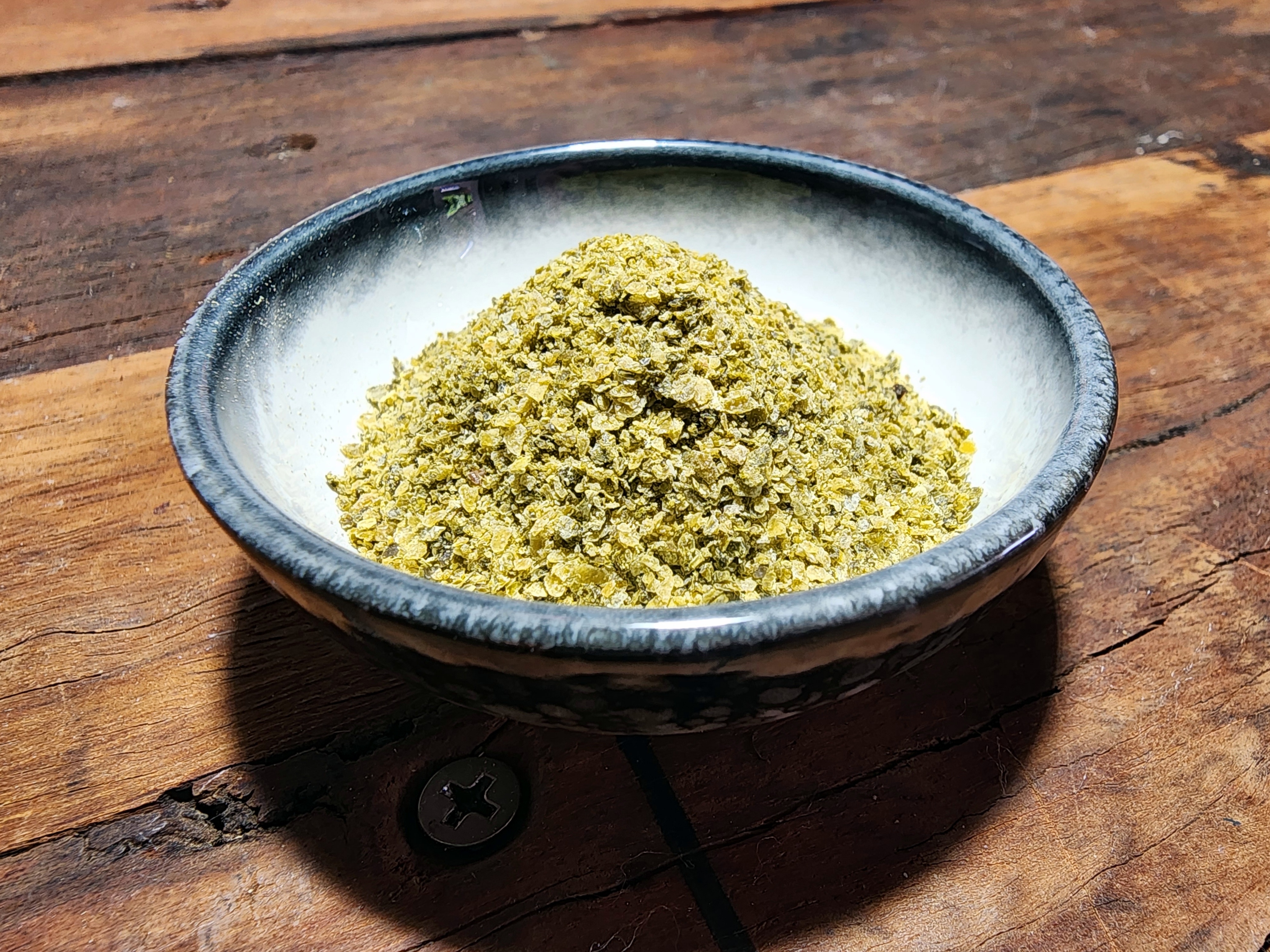
Pickled Gherkin Powder
Gherkin powder is great for giving a tangy, vinegar flavour to meat, vegetables, drinks and sauces.
You can use it to transform egg mayonnaise into the perfect tartare sauce for example.

Simply
Drain a jar of sliced pickles and then dehydrate them until fully dry.
Then you just need to give them a few pulses in your spice mill.

Enjoy,
PK
Here are more herbs, spices and ingredients posts.
Written by
·
-
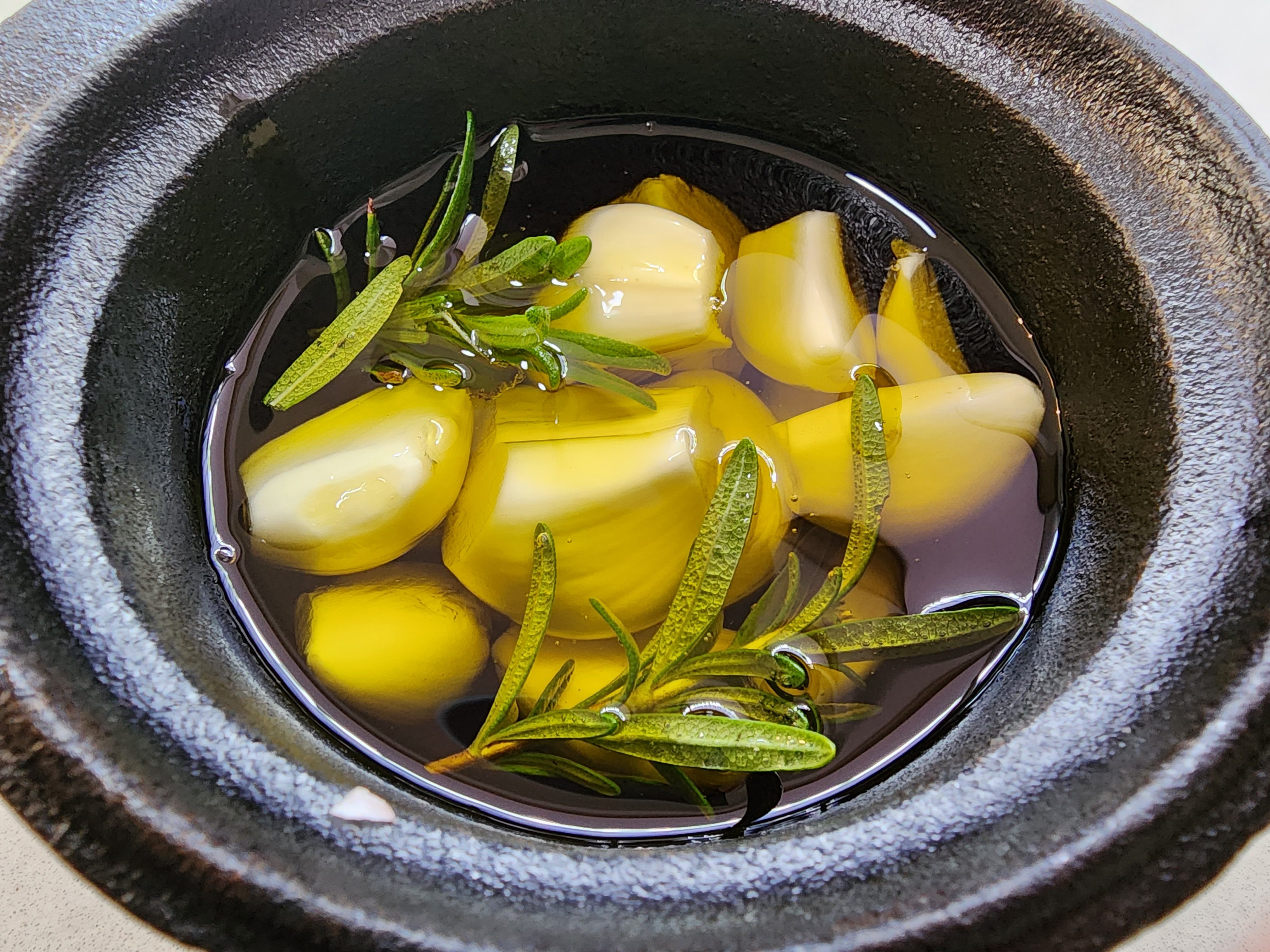
Garlic And Rosemary Confit
Making garlic confit is delightfully simple. It is garlic cloves slowly cooked in olive oil until they are soft and spreadable.
Over the course of 2 hours on a low heat, the garlic looses its bight and takes on a mellow, nutty flavour.
You can use it many novel ways, anything from spreads to garnishes to cheese platters. Oh and in all the ways you would normally use raw garlic.
I generally use a whole head of garlic (two sometimes) at a time because the confit will keep in the fridge for several weeks.

Simply
Peel and clean the garlic cloves. Chuck them into a small pot or an oven proof ramekin, with some rosemary.

Then cover everything with olive oil and pop the pot into a preheated 100c oven for about 2 hours.

After about 1.5 hours, start using a spoon to gently squeeze a clove against the side of the pot. Repeat this process every half an hour or so. Everything is ready when the clove gives way easily and forms a paste.
Once the oil has cooled, spoon the cloves into a jar and cover them with the oil. Store the jar in the fridge and never at room temperature. The olive oil will solidify in the fridge but that is not a problem. Simply spoon the cloves that you want to use out and the oil will run off them as it warms up.

I love smearing it on crusty, buttered bread for instant garlic bread:

Enjoy,
PK
Here are more cooking ingredients and sauces, marinades and seasoning posts:
Written by
·
-
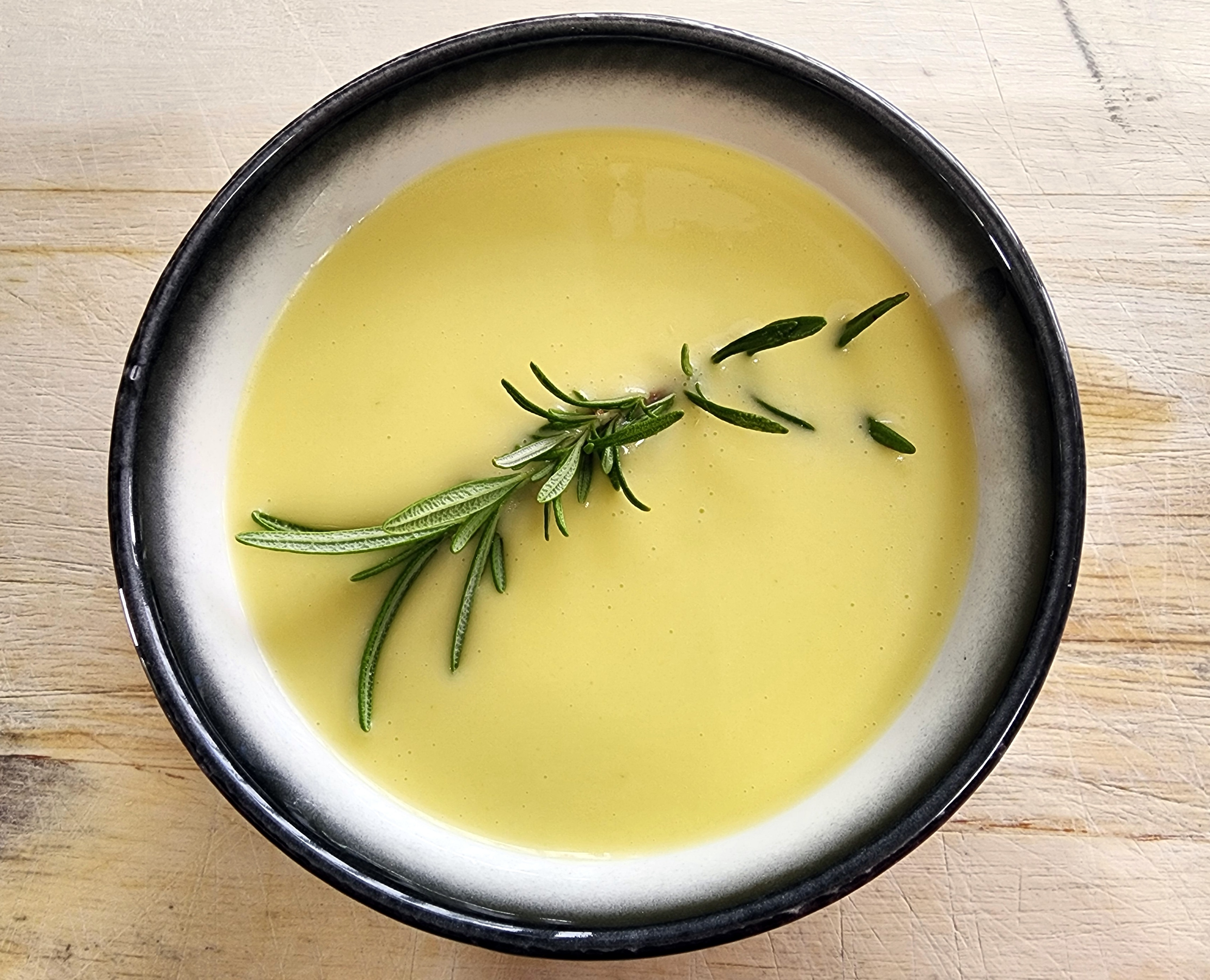
Lemon, Garlic And Olive Oil Sauce And Marinade
Perfectly balanced, this garlic and rosemary infused emulsion of lemon juice and olive oil provides a Mediterranean flavour punch. I use it as a marinade and for drizzling on salads and cooked meat.
Simply mix a 1/3 cup of fresh lemon juice, 1/3 cup of olive oil and two garlic cloves in a blender.


Let it whiz for a minute to force the oil into the lemon juice, giving you creamy, tangy sauce. I recommend tasting it at this point and adding a bit more oil if the lemon juice is overbearing. Whiz for another 30 seconds.
Chuck in some rosemary and you are done. It keeps about 10 days in the fridge but might need another whisking/shaking if the oil settles out.

Here I have marinated lamb ribs for 48 hours and cooked them low on the Weber:


Enjoy,
PK
Here are more cooking ingredients and sauces\marinades:
Written by
·
-
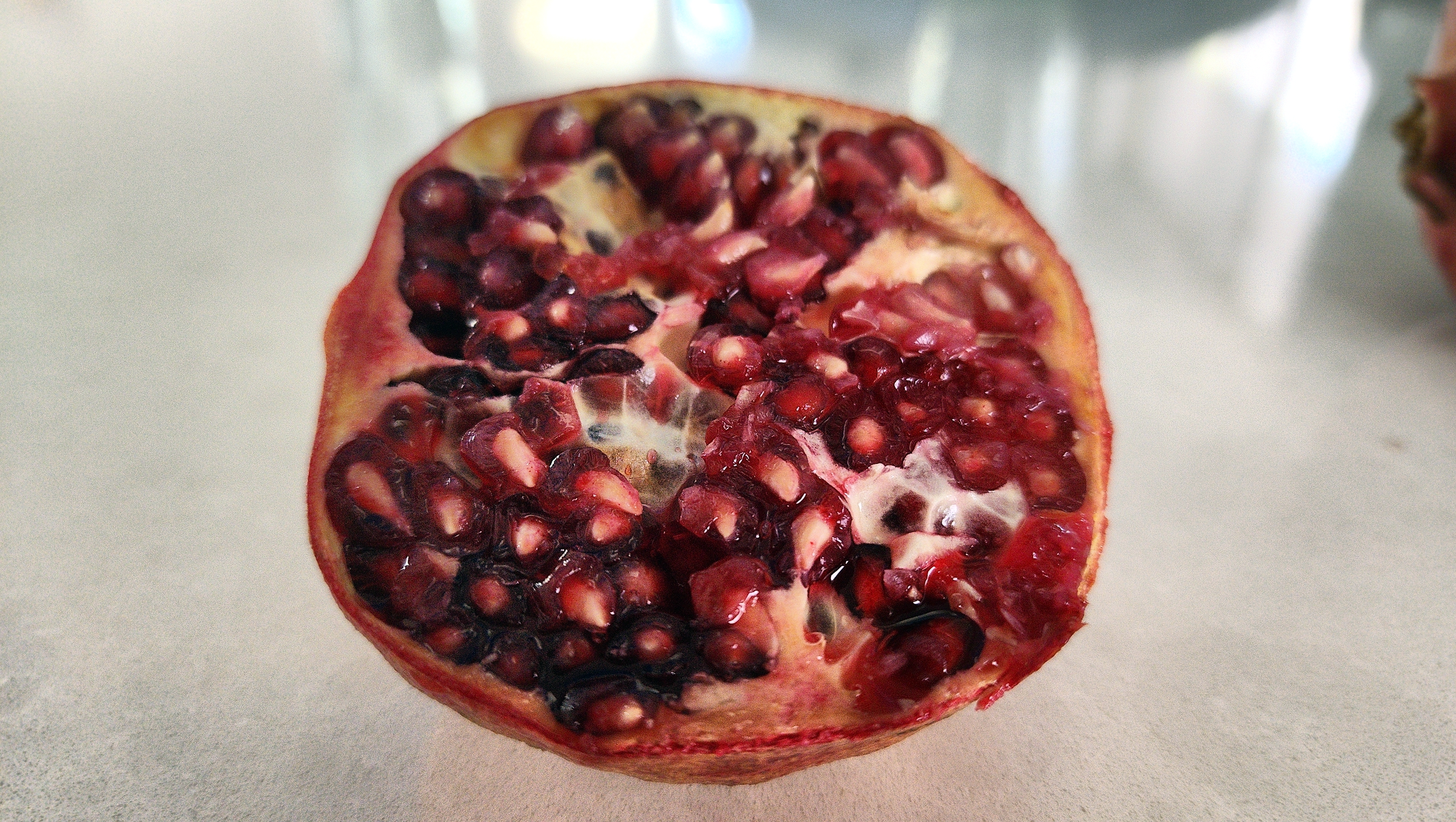
How Do I Use Pomegranate Fruit?
The pomegranate shrub is a hardy plant originally hailing from the Mediterranean.
It’s large round red-purple fruit look and smell amazing. Pomegranates are used in cooking and baking, uses ranging from juices, smoothies, wines, teas, garnishes, jams and fillings.
The outside of the fruit should feel firm and straw like when lightly squeezed.

The fruit is full of tiny little soft berries that contain a small edible seed and lots of juice. Their taste is slightly sour and the texture is akin to passion-fruit seeds.
I like to cut the fruit in half and then bend each half back on itself. The berries should pop out of the white pulp holding them with ease.

I haven’t tried it yet but apparently you can put the seeds in a blender and then strain to get juice that you can put in your smoothies or tea blends.
My favourite use of the berries is as a salad garnish for looks and texture.

Enjoy,
PK
Here are more ingredients and salad posts:
Written by
·
-
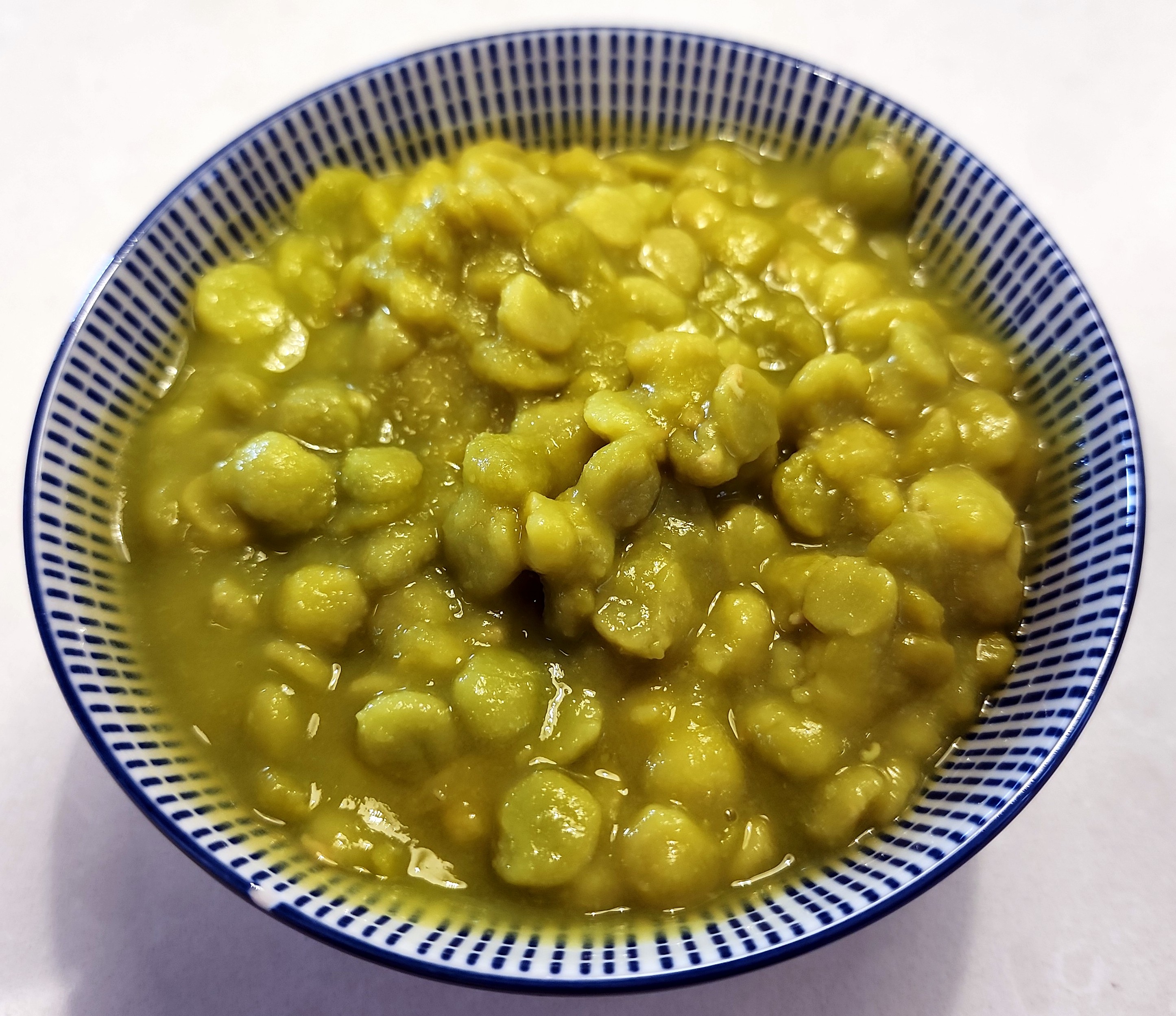
What Are Mushy Peas?
Simply put, Mushy Peas are a United Kingdom wide staple.
Peas, apparently Marrow Peas, are slowly boiled down to a semi-mushy mash of peas and butter.
They are the star of the show if you ask me.

Growing up, I only ate them with fish and chips but you can pair them with a wide range of savoury options.
Here I have made them a bed for a pork cutlet:

Oh for a pie floater 🙂
Enjoy,
PK
Here are more ingredients and English cuisine posts:
Written by
·
-
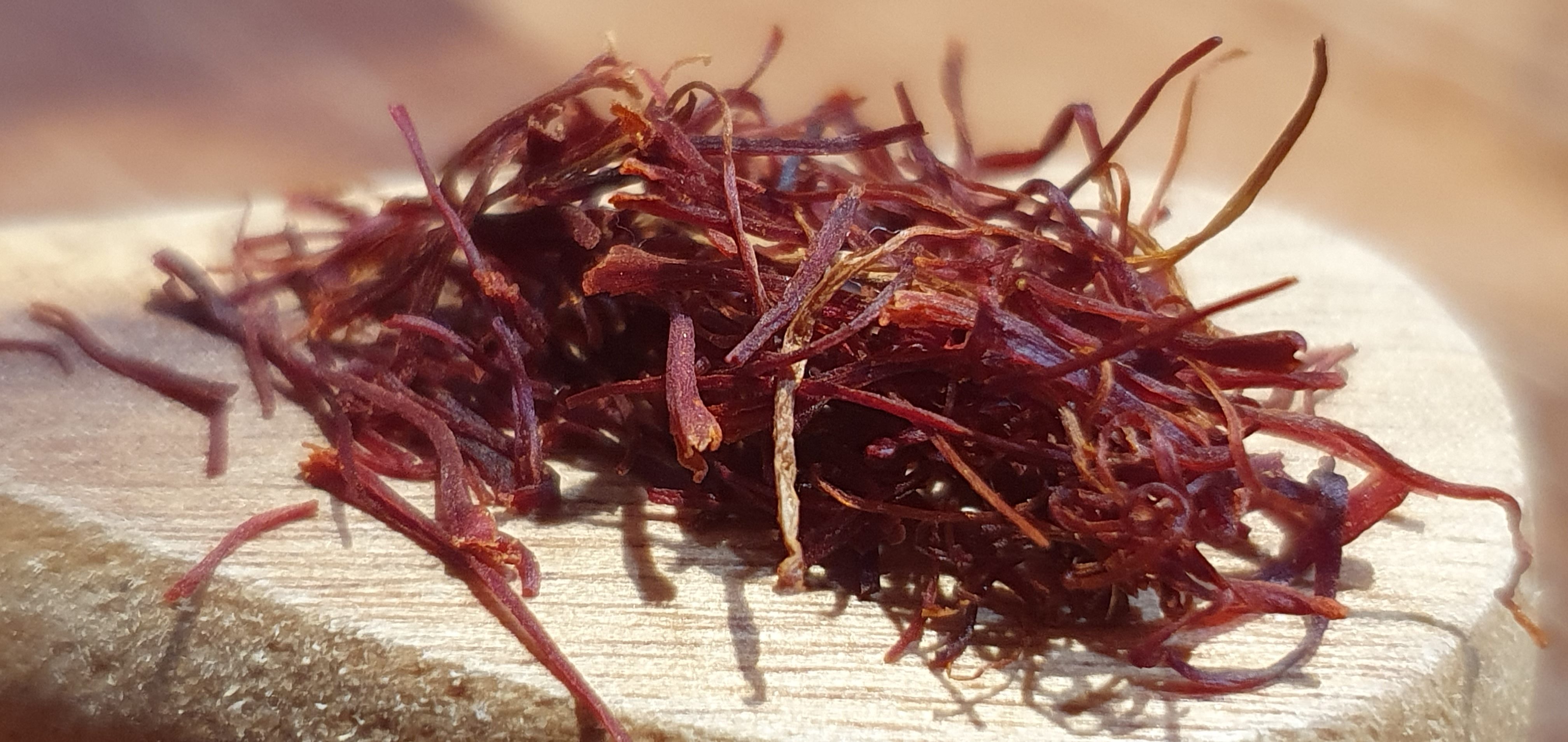
How do I use Saffron?
Saffron is a spice that adds a rich crimson yellow colour and grassy flavours to many dishes.
The red threads of the saffron crocus flower (see below) are collected and dried. Real saffron is considered expensive but ‘worth it’s weight in gold’. If you are simply chasing its colouring effect, there are cheaper alternatives such as food colouring.
 Serpico, CC BY-SA 3.0 <https://creativecommons.org/licenses/by-sa/3.0>, via Wikimedia Commons
Saffron is widely used in old-world cuisines, flavouring and colouring everything from rice dishes, meat, liquors, deserts and teas.
The dried threads have a grassy/hay aroma:

Try making saffron infused tea for that something different:

Enjoy,
PK
Here are more herbs, spices and ingredients posts.
Written by
·
-
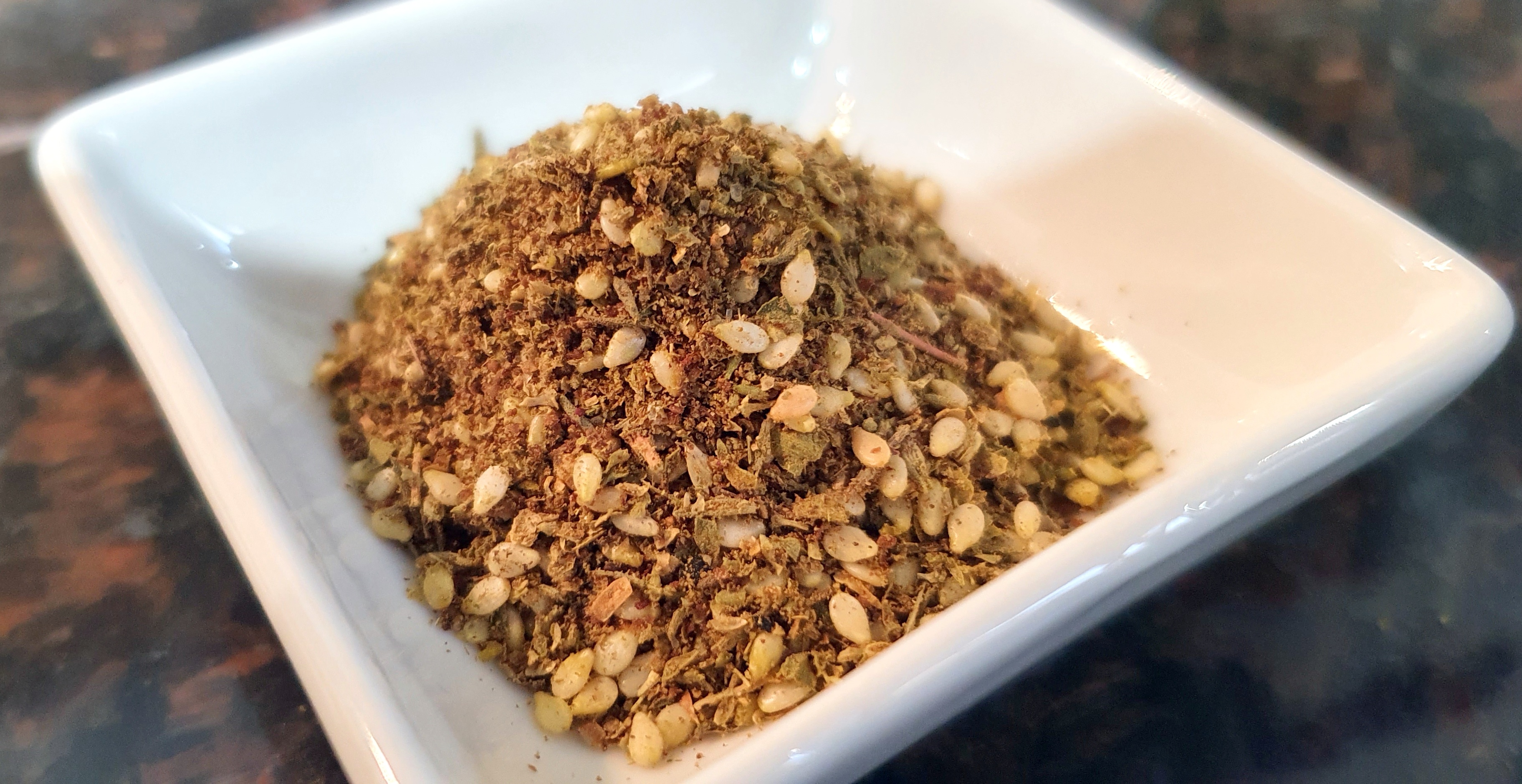
How Do I Use Za’atar?
Popular in Middle Eastern and eastern Mediterranean regions this spice blend adds a fragrant earthy flavour to your dishes.
Regional variants abound but most blends contain the herbs oragano, savoury, thyme and majoram mixed with spices and seasame seeds. Common spices are cumin, coriander seeds and fennel seeds.

I mostly use this spice mixture as a dry rub on white fish, chicken, beef and lamb. Try mixing it with sumac and coating some lamb chops, it is a visual and aromatic treat.
Za’atar mixed with olive oil makes an awesome dip or spread for turkish bread and the like.
Here are some serving suggestions.
Lamb chops with a sumac crust:

Za’atar dusted chicken breasts:

Beef top-side roast coated in za’atar, salt and pepper:

Enjoy,
PK
Here are more herbs, spices and ingredients posts.
Written by
·
-
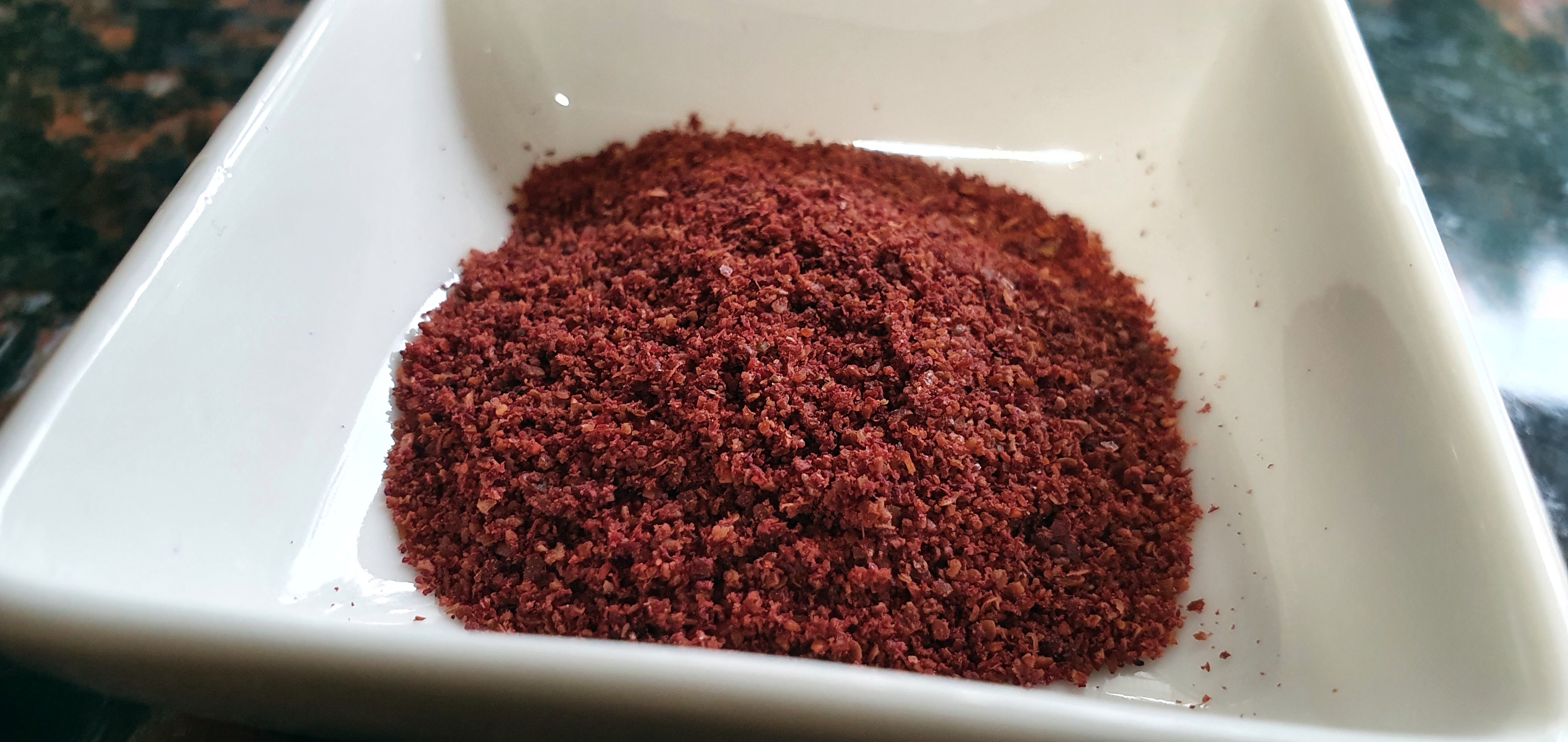
Sumac
Sumac is a very small fruit native to several continents, that has an exciting citrus taste.
Sumac based dry rubs pair with lamb so well and Australia has lots of lamb. 🙂

Please don’t stop using it there though. It makes a great garnish on salads, hummus dips, tasting plates and is often added to falafel.
It can also be used to make a tea called Pink Lemonade that is perfect on a hot day.
Simply steep some sumac powder in boiling water, cool and then top up with chilled sparkling water:

For lamb, mix it with some of Rick Stein Garam Masala and some coriander leaves. Then coat both sides of the meat an hour before cooking.


Enjoy,
PK
Here are more herbs, spices and ingredients posts:
Written by
·
-
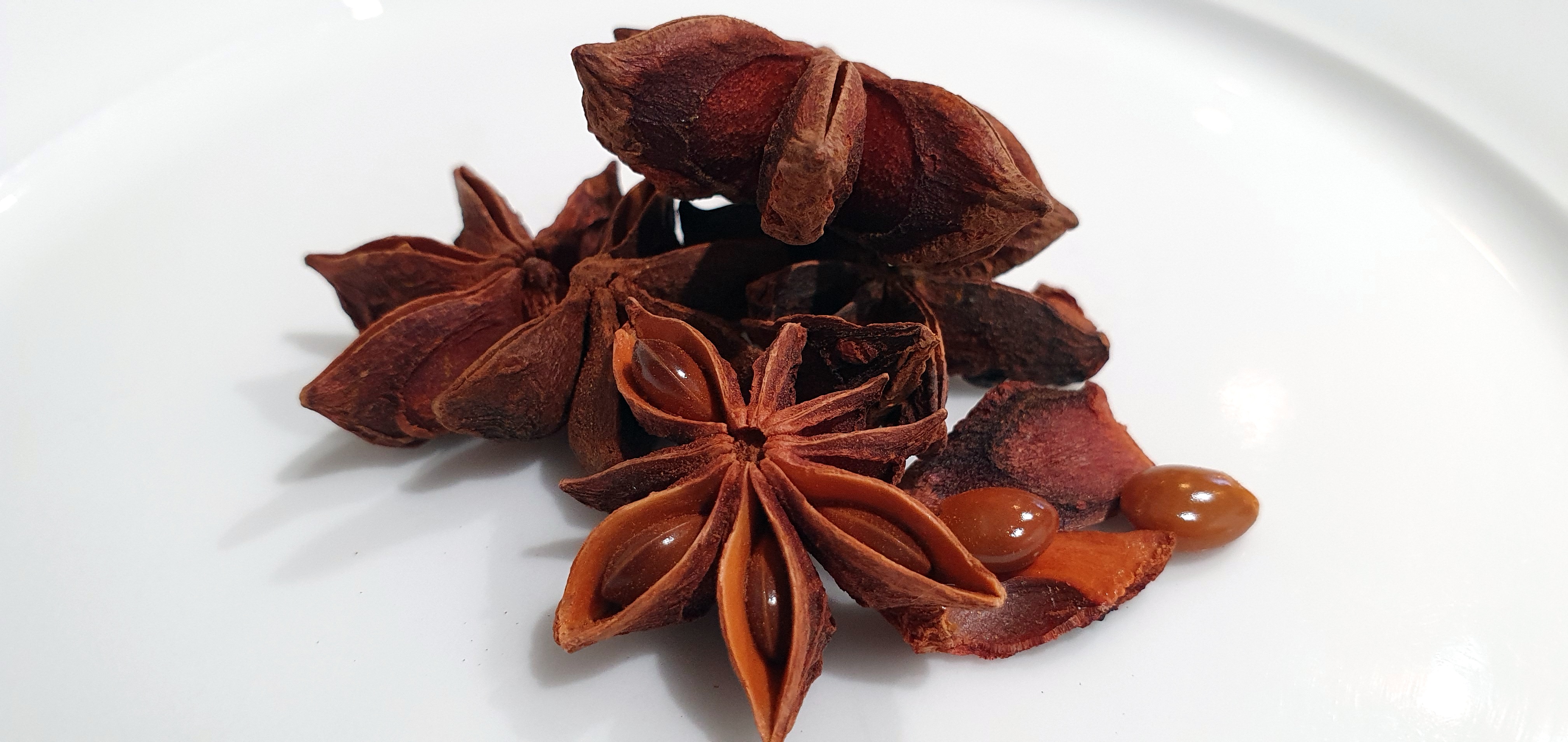
Star Anise
Star Anise is from an evergreen shrub that originally hails from China and Southeast Asia.
It is an important cooking ingredient that imparts an earthy aniseed flavour and aroma. It is also used to in making beverages, confectionary, natural medicine remidies and beauty products.
Star Anise seeds and their star shaped pods:

I mainly use them in my spice blends or as aromatics in my stocks and pastes. For example my Pho Ga Soup and Chinese Five Spice Fried Snapper Wings.
Enjoy,
PK
Here are more herbs, spices and posts featuring Star Anise:
Written by
·
-
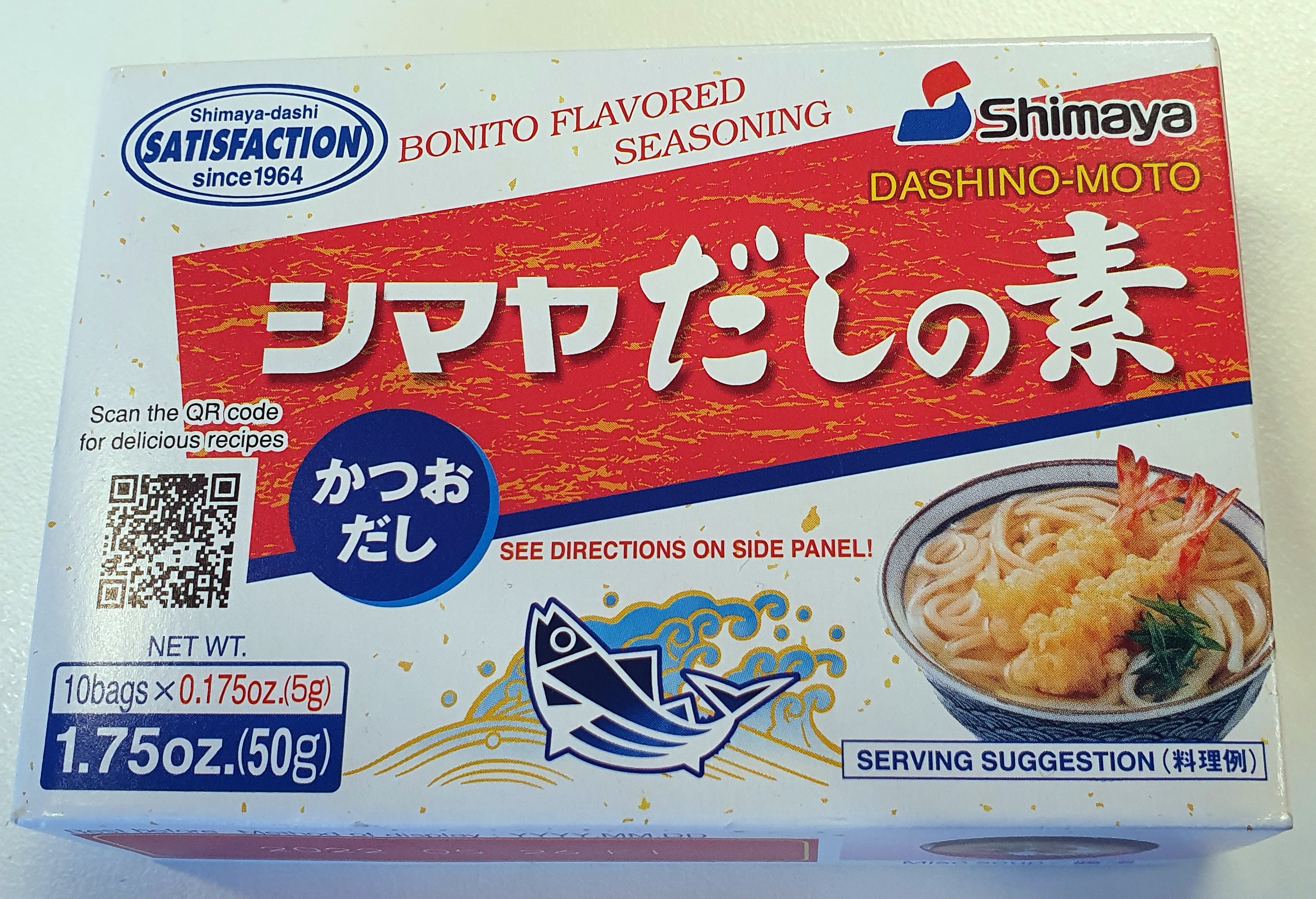
Powdered Dashi Stock
Dashi stock forms the base of many Japanese dishes, imparting a noticeable umami flavour.
Traditional dashi is made from kelp and fish (bonito or anchovies) and there are many variants involving mushrooms. I am showing you Dashi no moto which is a processed modern powdered version.


The flavours are often artificially enhanced with MSG and sugar but very tasty and transformational. I can only imagine how good the traditional broth is!
I often add some to my miso soup and chicken katsu udon along with mirin seasoning.

Enjoy,PK
Here are more Japanese cuisine posts and a long list of ingredients to make your dishes sing.
Written by
·