Tag: ingredients
-
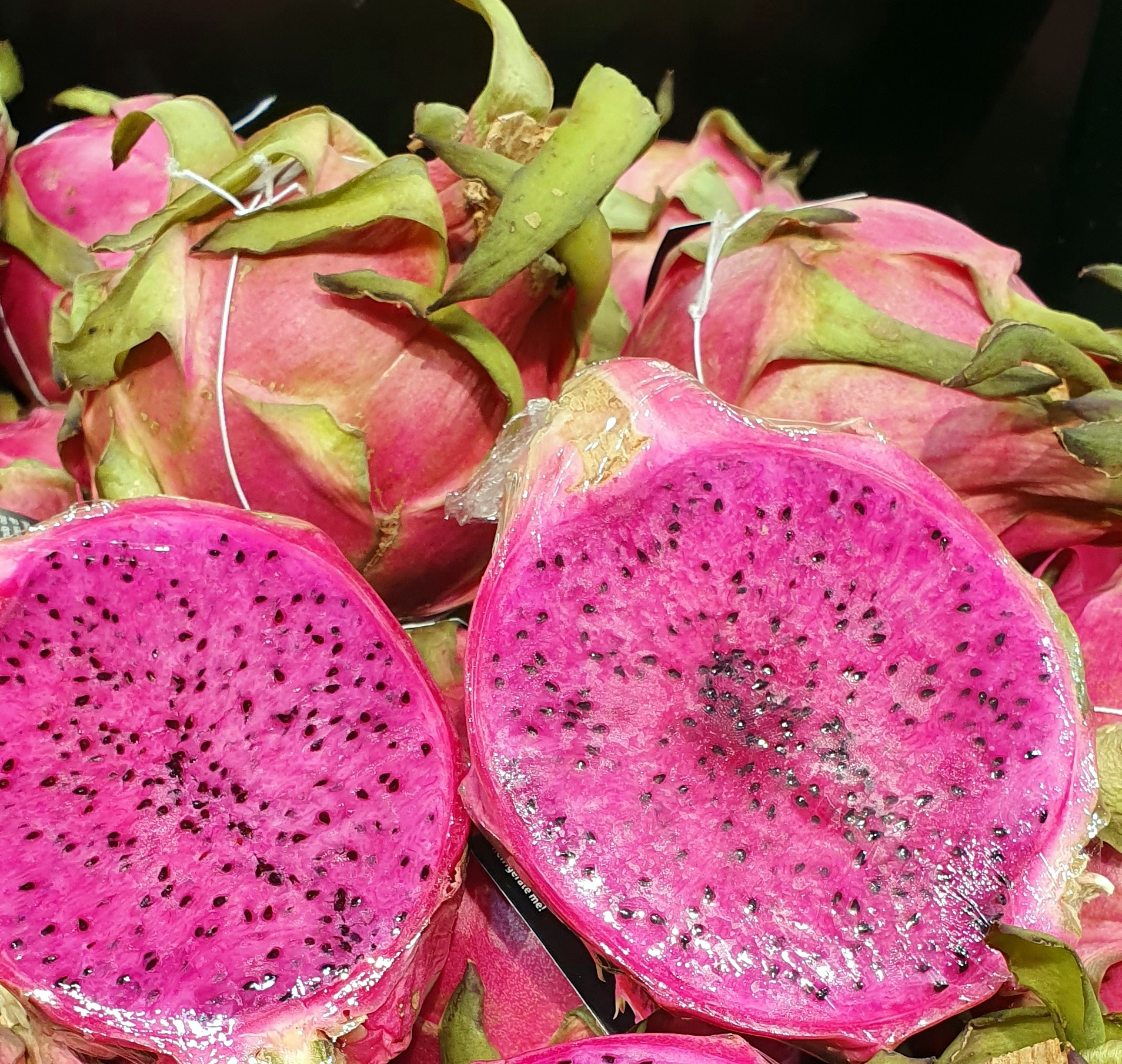
Dragon Fruit
Commonly know as Dragon fruit, the Pitaya is a relative of the cactus and native to the Americas. They are now grown further afield and are relatively expensive.
Their common name comes from the external scaly look of the fruit. Cut open they have a firm, slightly sweet white or pink flesh dotted with tiny crunchy black seeds. Often seen in salads they also pair well with strawberries, pears, citrus and kiwi fruit.

Enjoy,
PK
Here are more ingredients posts:
Written by
·
-
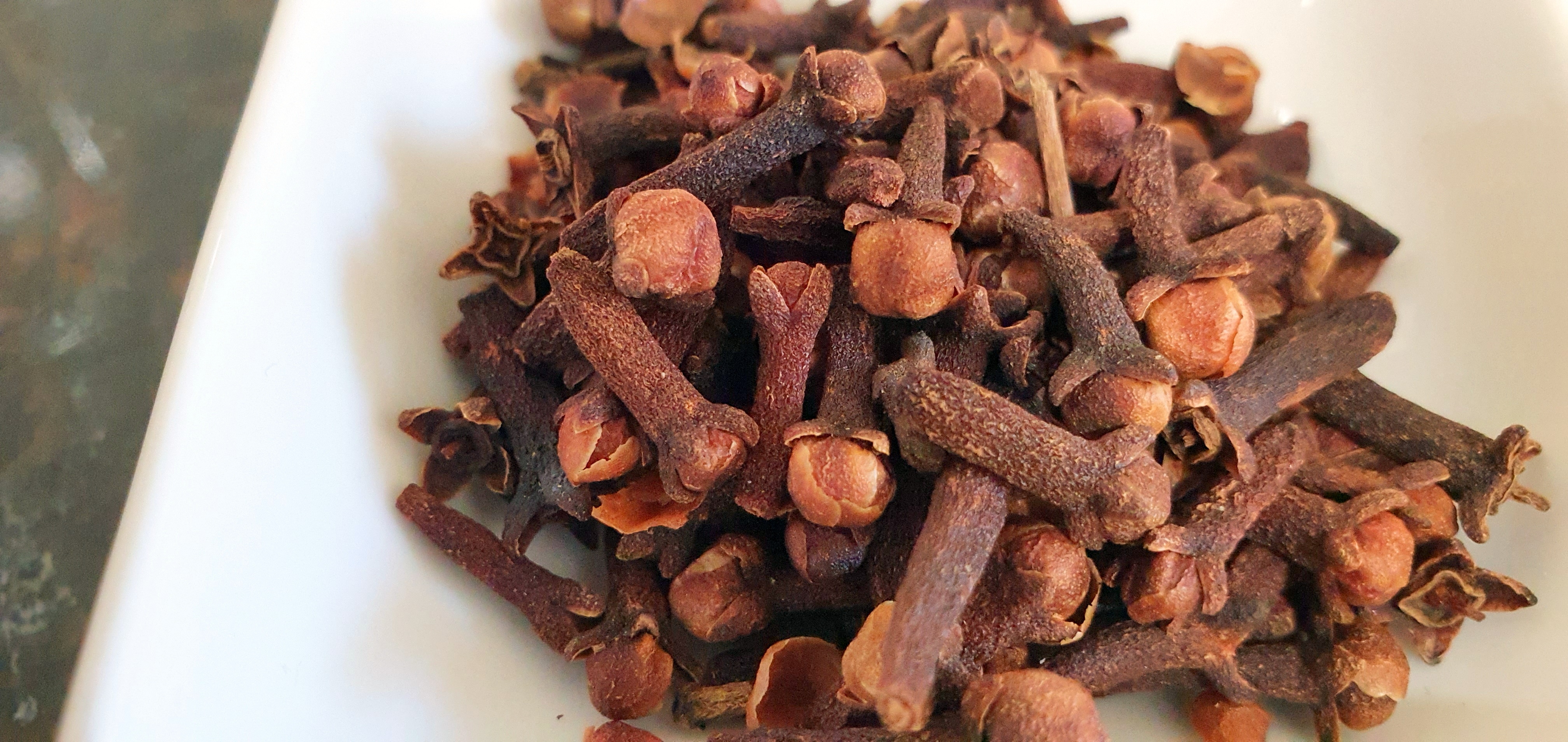
How Do I Use Cloves
Cloves are a must-have in your spice collection. They are the dried buds of a tree that originally only grew on a few islands in eastern Indonesia. Cloves are very aromatic and impart a slightly sweet but tangy earthy flavour. Note though that a few go a long way.
Cloves have been traded up to China and then across the continent to England for millennia. They permeate many cuisines and cultural health remedies. Their name stems from the Latin word for nail and I think that is very apt.
Cloves pair well with many types of meat, herbs, spices and vegetables. Notably pork, beef, onion, citrus and pepper.

The evergreen tree cloves come from:
In India they are essential for making Garam Masala:

Enjoy,
PK
Here are more herbs, spices and ingredients posts.
Written by
·
-

Baking Powder Vs Baking Soda
Baking powder and bi-carb soda (also called baking soda) are frequently used in cooking and baking.
Although they look similar you don’t want to use them interchangeably!
Baking Soda
Baking Soda is a salt called sodium-bicarbonate. It is used in baking for its leavening (rising) effects as it makes carbon dioxide bubbles when combined with water and an acid (such as lemon juice, vinegar) or heat. Its number in packaged foods is E500. Sounds scary but it is only used as an acidity regulator.
Baking soda is not commonly known as a meat tenderiser but a light sprinkling on meat softens even the chewier cuts. Try it on strips of chicken or beef for that melt in your mouth stir fry. Just remember that a little goes a long way and too much imparts a bitter taste.
Baking Powder
Baking powder is a mix of baking soda and a weak acid (normally acid salts). When water is added the chemical reaction above occurs, the gas bubbles causing baked goods to rise. Cornstarch is often included in the mix to stop the chemical reaction occurring during storage.
Enjoy,
PK
Check out some more posts about baking and ingredients:
Written by
·
-
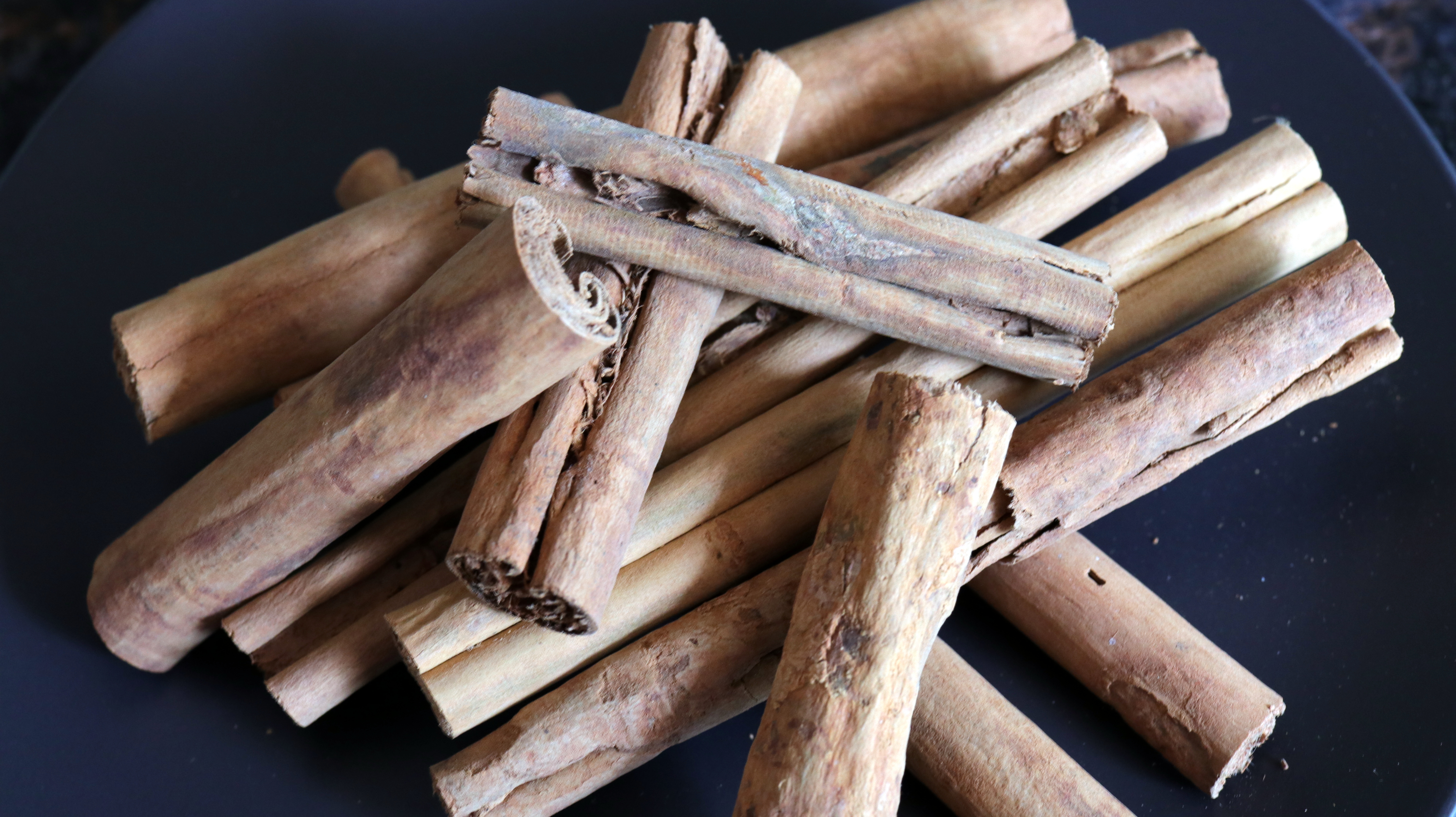
Cinnamon
Cinnamon is one of my favourite spices. It is the dried bark of the cinnamon tree and is amazingly aromatic and imparts a warm, spicy and earthy flavour.
Long strips of the tree’s bark are sliced off and allowed to dry. These cinnamon ‘quills’ or sticks are then cut to size and sold as is or ground into a fine powder.
This wonder herb is used in everything from stews, curries, drinks, baked treats to health and beauty and cleaning products.
The leaves of the tree are also dried and can be used in stews and the like much the way bay leaves are. They have a pungent smell and taste.
I have some recipes using cinnamon for you in the links below.
Dietary Info: Great for vegetarians, vegans and is gluten free.
This particular cooking ingredient is in PK’s Essential Pantry Cupboard Contents and here is a list of other ingredients on the blog.
Enjoy,
PK
Here are some ways to use cinnamon and some more ingredients posts:
Written by
·
-

Chili Pepper: Black Pearl
This has to be the most attractive chili plant I have in my collection. Despite the fruit’s small size they pack a real punch and the plant is a heavy producer.
The fruit starts off as deep oxblood colour that ripens to a rich red.

So if you’re into landscaping with beautiful, unique plants, or you love chilies that are mid range on the pepper scale, this is plant is for you. The heat is more than a jalapeño but less than a cayenne.
Taste:
The heat creeps up on you, similar to the much hotter ghost pepper in that way. The initial bite provides a mild citrus-like taste, but that’s followed up within a minute with a building spiciness going from back of throat to tip of tongue. The heat peaks within a few minutes and slowly begins to dissipate.
Flower:

Fruit:
Small globes packed full of seeds. The skin is firm and has a crunch.
Plant:

Fruiting Months:
November to June
Planting/Care:
It took a while for the seedling I bought to fruit initially so don’t panic. Apparently this is a fickle variety of chili but I have not done anything special and have had great luck.
I use a middle range nitrogen and high potassium fertiliser regime during the summer months. Soil is improved with compost and manure and has a ~5-10% by weight of clay to sand ratio. Drainage is still good.
I usually spray my chili plants with Dipel and pyrethrum (my go to natural insecticide spray) if I notice any grub damage. The tomato grub in particular likes the larger fleshier chilis like the Trinidad Scorpion.
Enjoy,
PK
Check out GICICI’s Chili Collection for more info on chili growing.
Here are some more chili varieties and some examples of cooking with them:
Written by
·
-
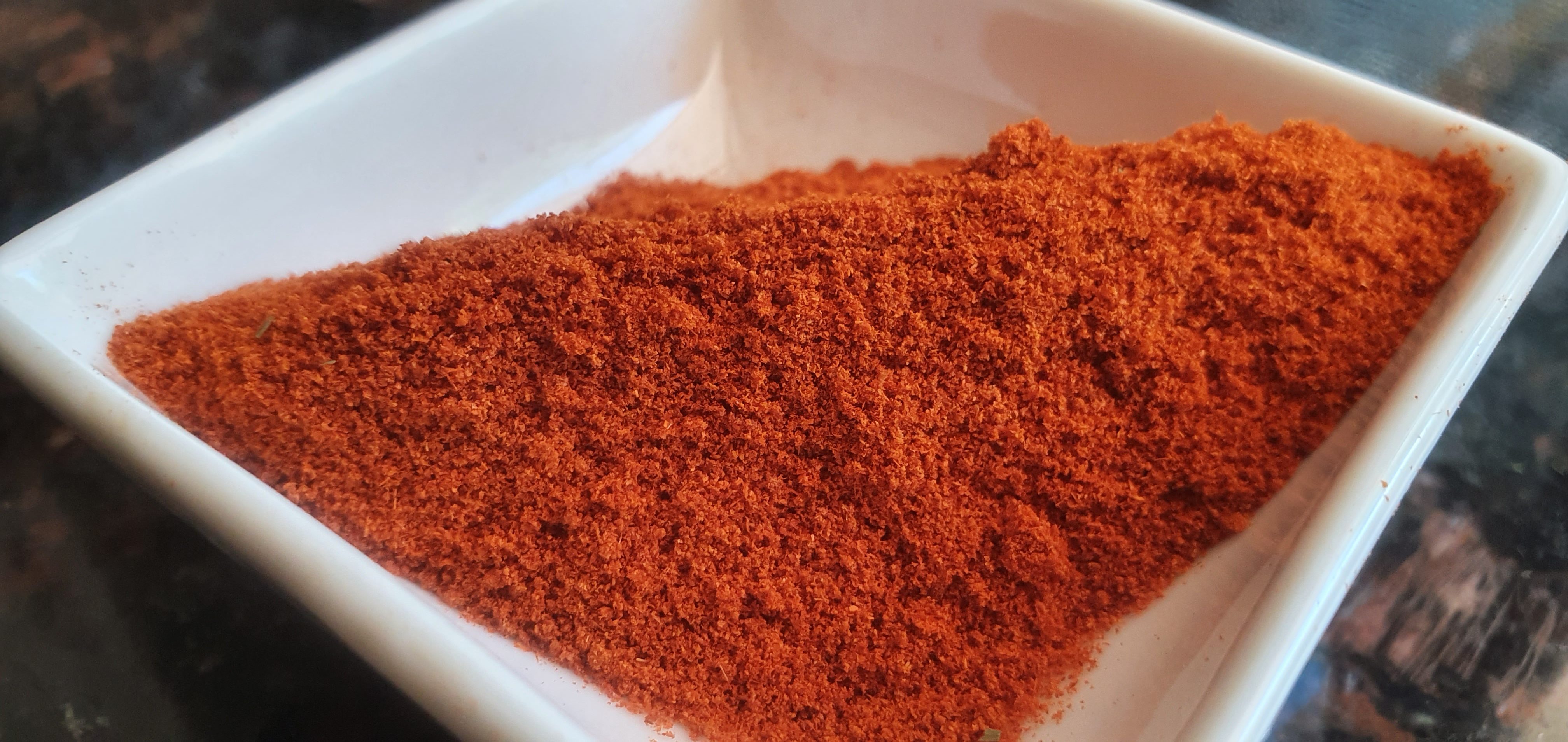
Paprika Chilli Powder
Ground paprika is made from several types of mild, sweet chilli peppers. It is a very versatile ingredient that adds an earthy flavour and a deep red colouring to any dish. Different chilli cultivars make for sweeter or spicier paprika blends, You can also buy blends with a smokey flavour.

I use paprika in everything from soups to pasta sauces, roast chicken rubs and marinades to toasted cheese sandwiches.
Here are my Paprika Baked Chicken Legs:

Enjoy,
PK
Check out some of the dishes I use them in and some more herbs and spices:
Written by
·
-
Kashmiri Chilli Powder
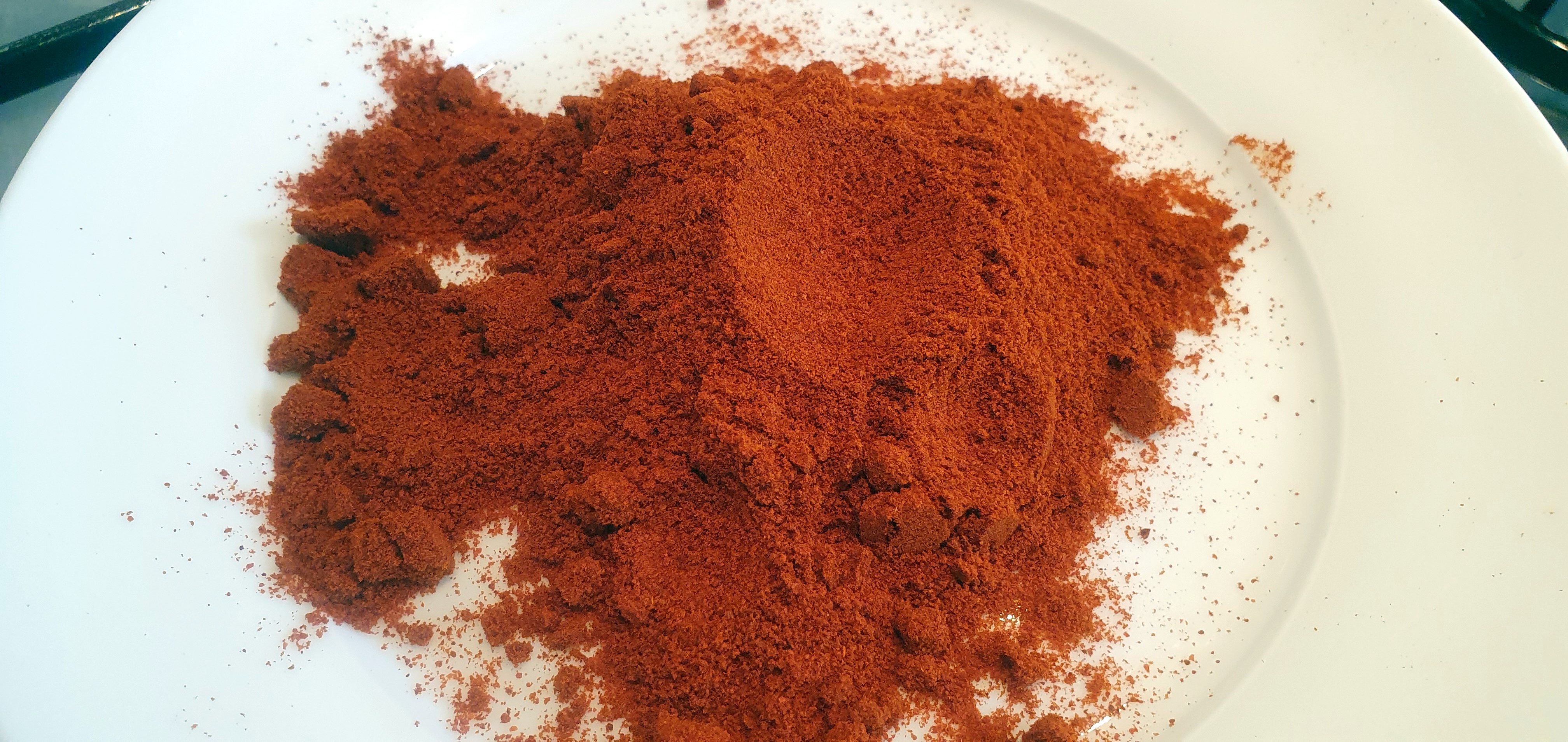
Kashmiri Chillies add a warm, earthy flavour and a deep red colouring to any dish. Known for their mild spiceyness they are a versatile ingredient like their cousin paprika.


Enjoy,
PK
Check out some of the dishes I use them in and some more herbs and spices:
Written by
·
-
Cheese: Italian Piave
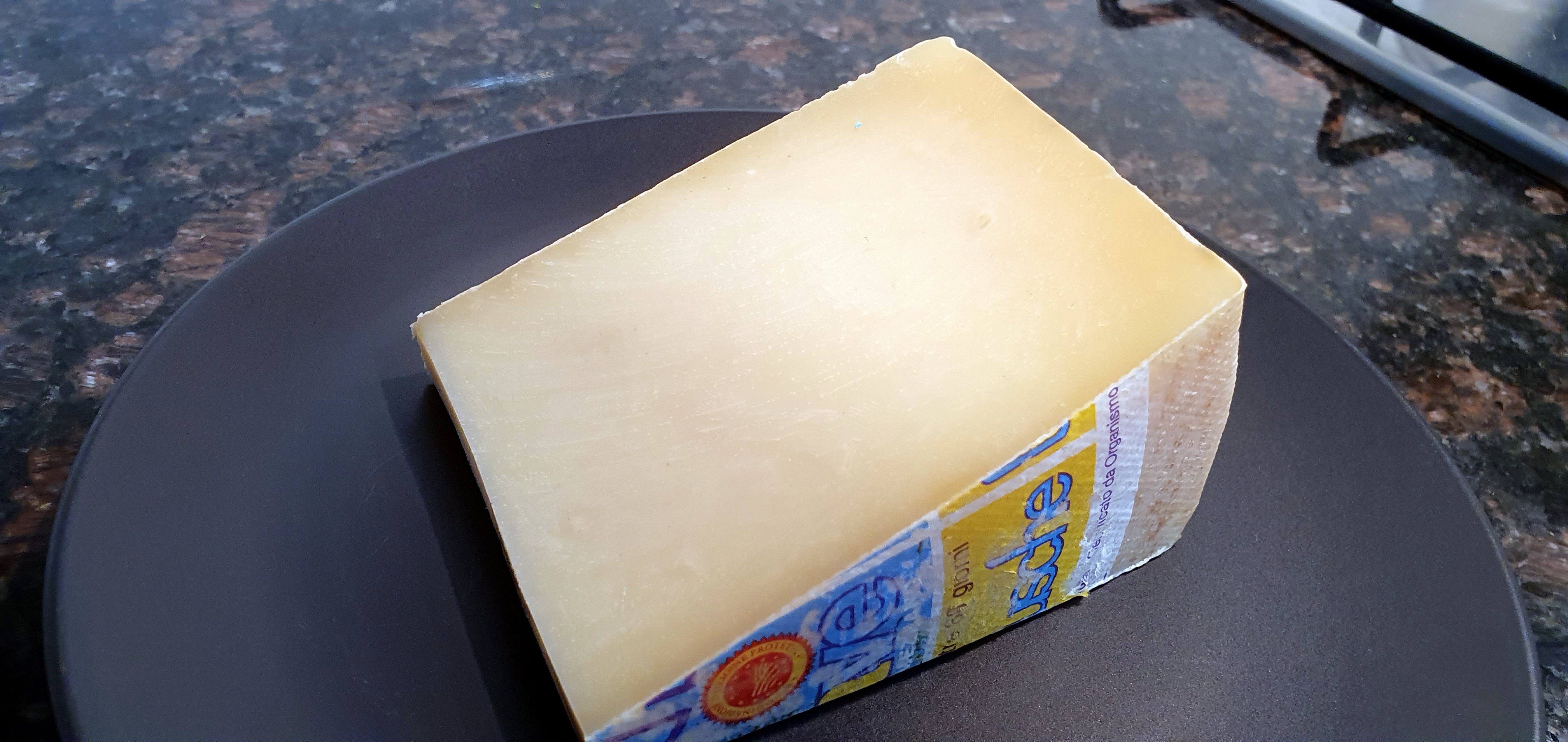
The most famous of all Italian cheeses, Parmigiano-Reggiano, has a little brother called Piave. Named naturally enough after the river and region of northern Italy where it is made.
It is every bit as versatile and tasty but because it is aged for less time the flavours are milder and easier on the bank account.

Milk
Cow
Origin
Italy
Aged
Yes, 6 to 18 months
Aroma
Nutty and savoury.
Taste
Nutty with a distinct savoury bite.
Texture
Hard and a little crumbly.
Look
Flaky pale yellow interior. Hard rind stamped with the name of the cheese in large indented letters.
Serving
It is a handy addition to any cheese board and I think it goes great with fruit and berries.
You can munch it by the handful and it excels as a cooking cheese. Add it to your next risotto 🙂

Wine
Your favourite red or white will go well. I like to pair it with a New Zealand or South Australian Sauvignon Blanc.
Related
Here are some more posts about cheese:
Written by
·
-
Cheese: Sottocenere al Tartufo (truffle)
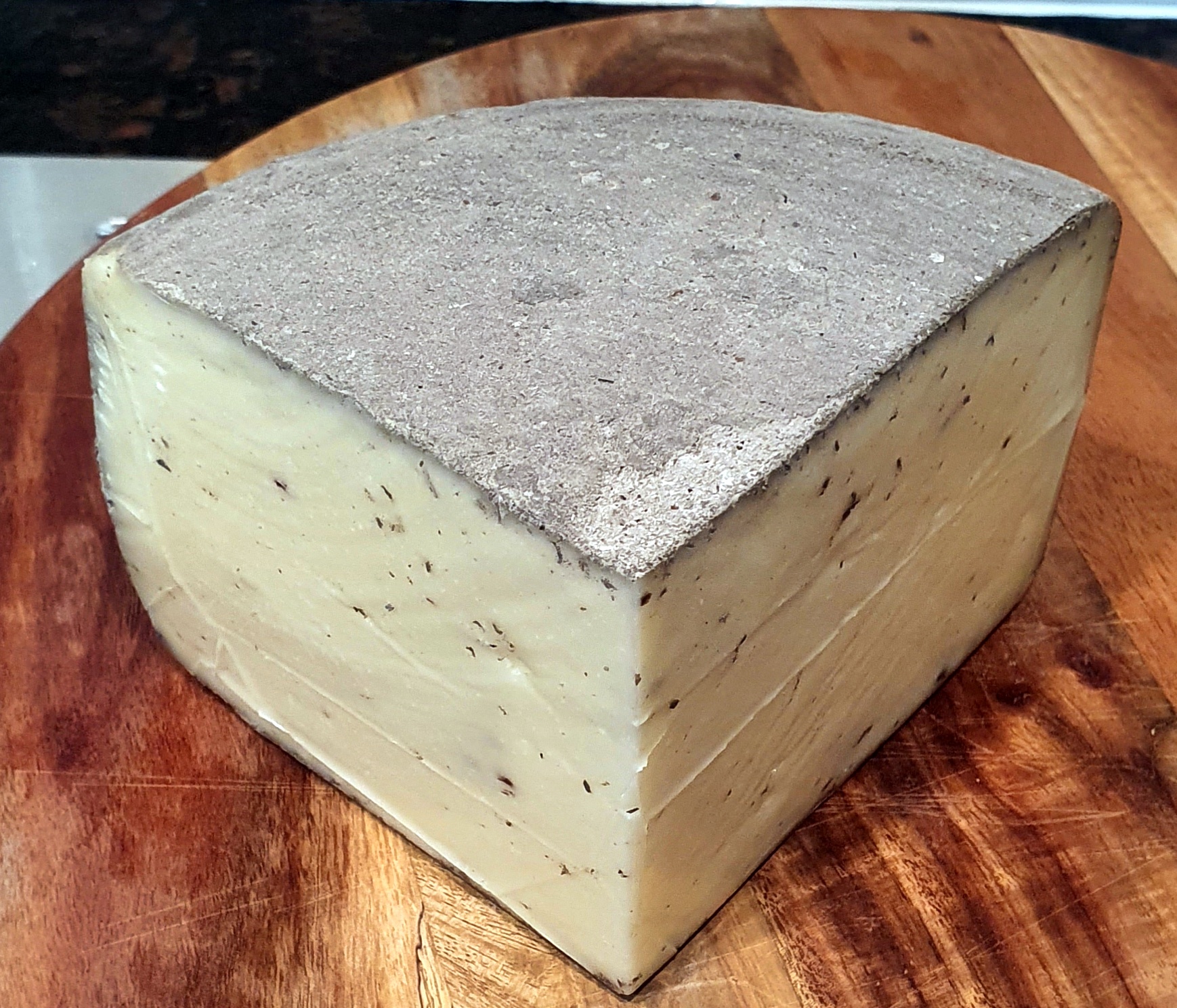
Sottocenere al Tartufo is a semi-firm, smooth vaccino (cow milk cheese) that hails from northern Italy.
As you can see it is studded with black truffle shavings and is coated in an inedible ash rind infused with herbs so as to flavour the cheese pate.
This cheese is full of flavour with a creamy umami finish. As you can guess it is not the cheapest of imported cheeses but it is well worth the price. As soon as I put it out it gets munched by my family. I feel lucky if I even get to eat some!

Milk
Cow
Origin
Italy
Aged
Yes, slightly.
Aroma
Spicy and savoury.
Taste
Mildly spicy with savoury goodness.
Texture
This cheese has a smooth but firm bite.
Look
Yellow smooth interior, flecked with truffle shavings, with no openness.
Serving
By itself or with other cheeses. Lots and lots of it!

Wine
No wine required except your favourite.
Here are some more posts about cheese:
Written by
·
-
Cheese: Grana Padano
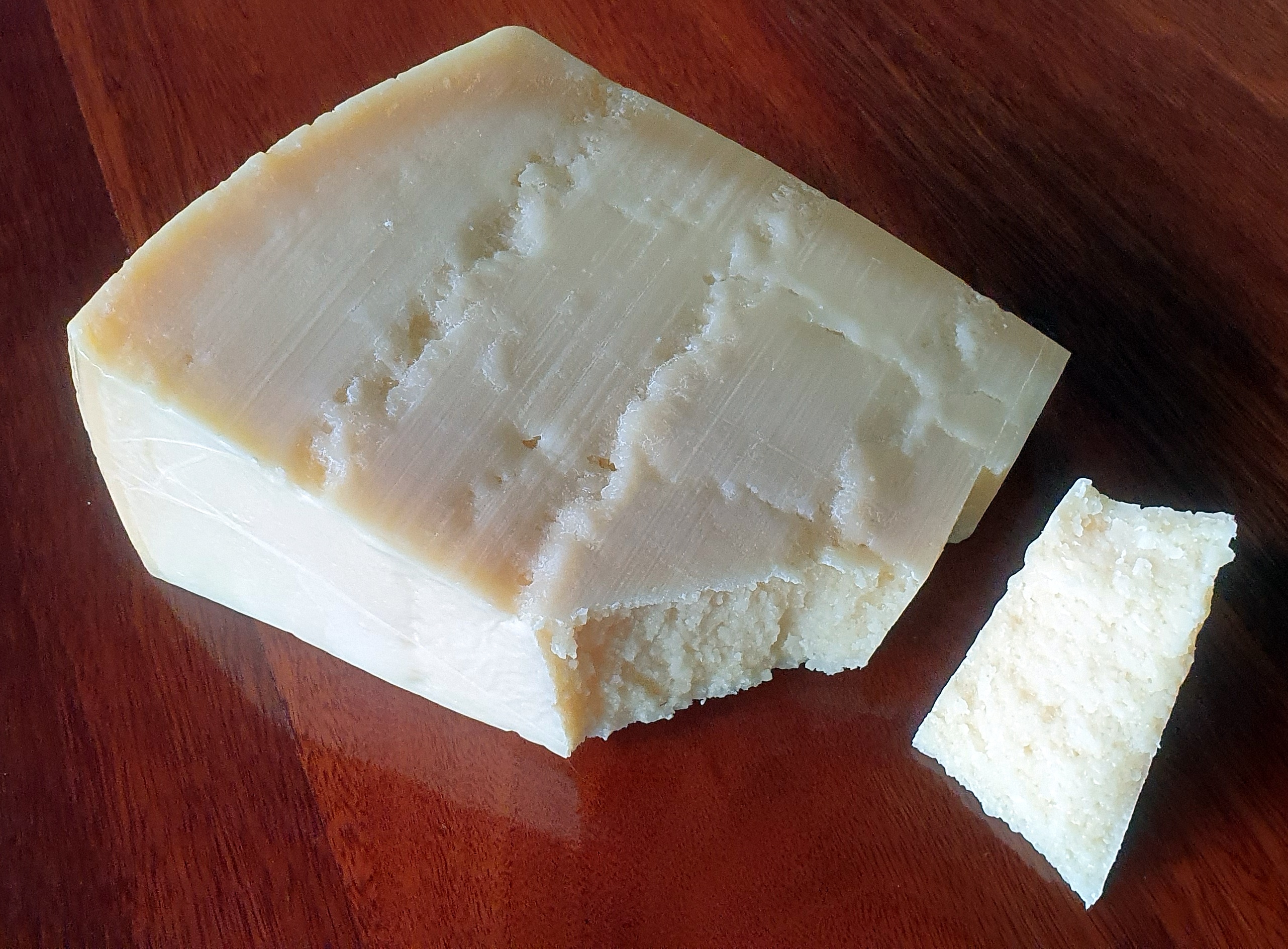
Grana Padano is a hard cow milk cheese that hails from northeastern Italy. Like Parmigiano-Reggiano, Grana Padano is aged and is similarly grainy in texture and flaky. Indeed, grana in Italian means grain.
It is full of flavour with a distinct but pleasant bight.
As such it is the perfect table cheese and can also be used in salads, sandwiches and grated on stews and pasta. The list is endless.

Milk
Cow
Origin
Italy
Aged
Yes, 16 months to 2 years.
Aroma
Fruity and savoury
Taste
Deep savoury goodness.
Texture
Hard gritty texture but not as much as Parmigiano-Reggiano. Very crumbly.
Look
Yellow interior with little to no openness.
Natural straw-coloured rind.

Serving
Grana is so versatile you can use it anywhere. I even love munching on it as I cook.
And of course any and all pasta 🙂

Manufacturing and Salting Method
Handmade/traditional cheese making methods are used. The curds are partially cooked, then pressed into moulds, dry salted and finally brine salted prior to a long ageing process.
Wine
Cheese.com says ‘ Wines such as Barolo, Zinfandel or Gavi white wine make a perfect match.’
Here are some more posts about cheese:
Written by
·