Tag: growit
-

Ginger: Grow And Eat
Ginger root (originally from Southeast Asia) is one of the most common spices used in cooked dishes, baking, drinks and confectionery. It pops up in European, Indian and Asian cuisines having been traded and planted around the world.
It is easy to grow in warm climates. I simply buried a few roots about 10cm down in rich organic soil and waited for new stems to appear. Unlike galangal the leaves suffer a bit in the Perth summer sun and that might guide your choice of planting location.


Ginger flower – By Venkatx5 – Own work, CC BY-SA 3.0, https://commons.wikimedia.org/w/index.php?curid=20134351
You can wait for the stems to die and harvest the whole root but I just go out when I need fresh ginger and dig a bit up. You can then cut off what you need and replant the rest.

When cut it has a pungent smell that is both sweet and peppery.

If you would like to see recipes using ginger please click here.
Enjoy,
PK

Written by
·
-
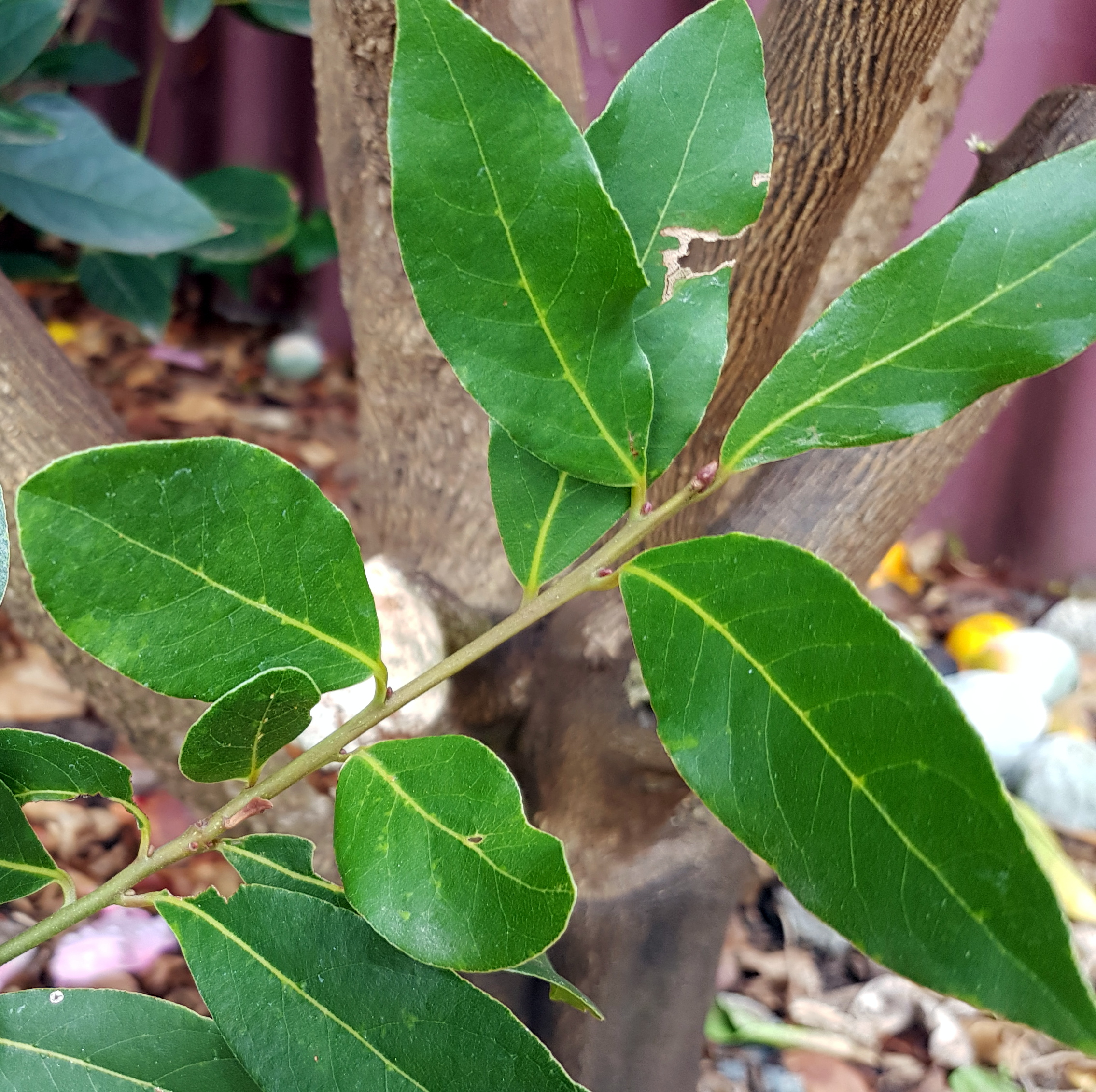
Bay Leaf Tree: Grow and Eat
The humble Bay Leaf tree is a must have in a kitchen garden. Once you try fresh or freshly dried bay leaves in your cooking you won’t go back to the store bought version. Like many herbs, they lose their fullest, layer rich aroma and taste as they wait in transport and store shelves.

I normally use one or two small leaves fresh from the tree. I haven’t found them to be overpowering like some websites suggest.
I use them whole in stews, casseroles, curries, the list goes on. I always remove them post cooking (bouquet garni bags make this easier). They give the liquid in said dishes a earthy almost bitter tang. By itself this might not sound tasty but it works with the other ingredients to make a dish tastier than the sum of its parts.

I also recently got into bay leaf tea. It is a refreshing change despite it being reminiscant of a cup of mild green tea. It is like drinking the Aussie bush. 🙂

Dietary Info: Great for vegetarians, vegans and is gluten free.
This particular cooking ingredient is in PK’s Essential Pantry Cupboard Contents.
Enjoy,
PK
YOU MIGHT ALSO LIKE
MORE RECIPES USING BAY LEAVES
THE FULL GICICI INGREDIENTS LIST
MORE VEGAN , VEGETARIAN , GLUTEN-FREE INGREDIENTS AND MEALS
GICICI’S WHAT’S GROWING IN PERTH?
Follow these links to see what to plant in a given month or read my monthly journal where I talk about what I am doing, have learned and have harvested.
JANUARY’S PLANTS OR PK’s Journal
FEBRUARY’S PLANTS OR PK’s Journal
MARCH’S PLANTS OR PK’s Journal
APRIL’S PLANTS OR PK’s Journal
MAY’S PLANTS OR PK’s Journal
JUNE’S PLANTS OR PK’s Journal
JULY’S PLANTS OR PK’s Journal
AUGUST’S PLANTS OR PK’s Journal
SEPTEMBER’S PLANTS OR PK’s Journal
OCTOBER’S PLANTS OR PK’s Journal
NOVEMBER’S PLANTS OR PK’s Journal
DECEMBER’S PLANTS OR PK’s Journal
Please consider subscribing to a weekly email summary of our posts or check us out on Facebook @growitcatchitcookit.
[mc4wp_form id=”15771″]
Written by
·
-
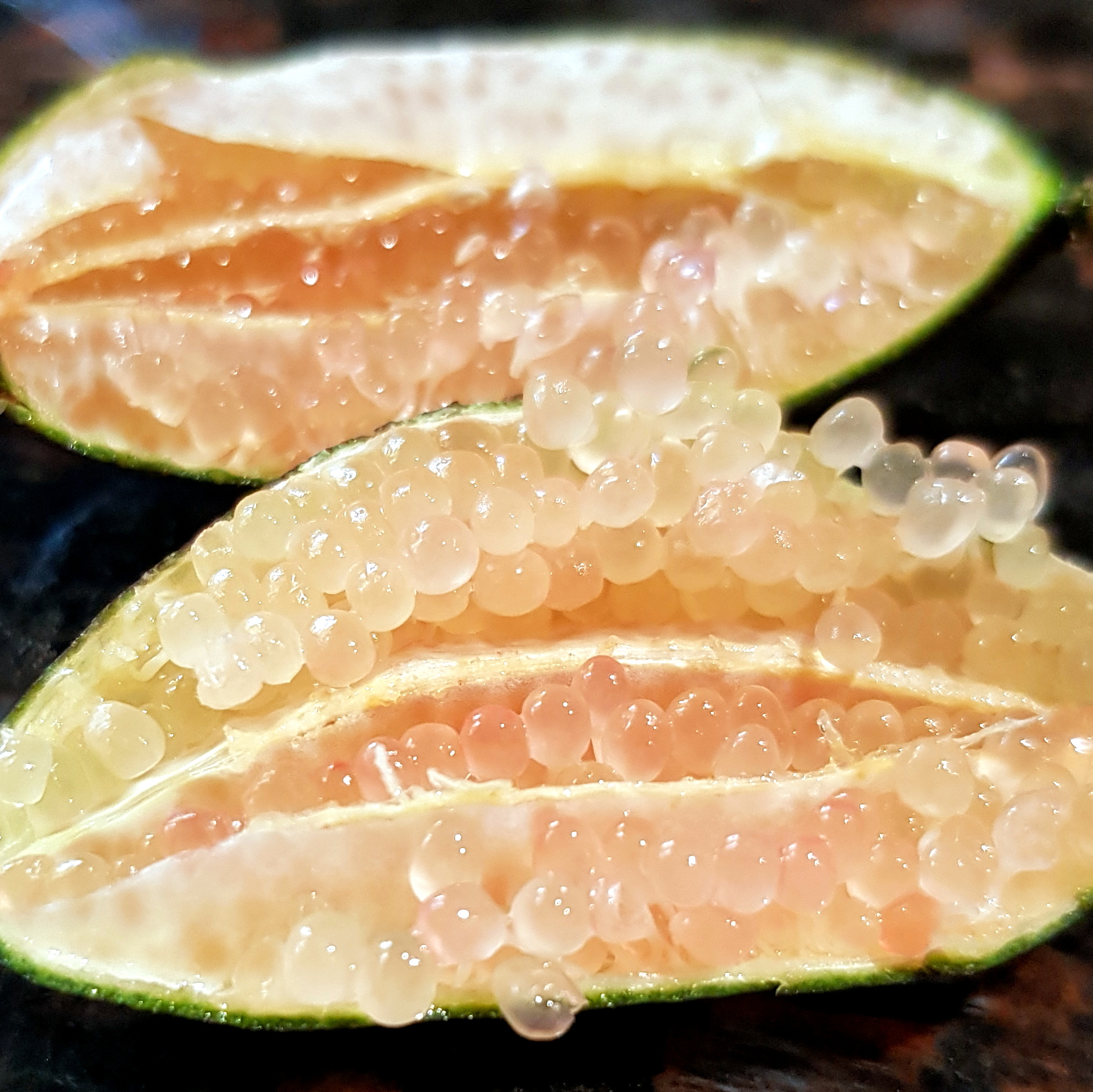
Australian Finger Limes
I was very lucky to be bought one of these remarkable edible bushes a few years ago as a birthday present. They are an annual fruiting plant in the same genus as citrus and are native to Australia’s east coast.
The fruit is quite simply unique and you can believe the recent restaurant hype they have attracted. 🙂
So how do we grow and eat Australian finger limes?
Taste/Aroma:
The long cylindrical fruit grows to about 6cm long and have a thickish green skin. These may turn brown as they ripen. Inside is the most amazing little globes filled with the most tangy juice you have ever eaten. These pop with a delightful crunch that makes you smile.
They smell and look amazing so I recommend you try them on their own or sprinkle the little globes over salads or cheese plates.

Flower:


Fruit:


Plant:
Planting/Care:
There is a school of thought that says these only fruit once every 2 years but I have had fruit every year on my 3 year old plant. I have had bumper crops and although it is April, I am still getting the odd fruit. If you are interested I keep monthly information Grow It Perth calendar (see link below).
It is in my standard soil profile which has organic matter, Perth sand and 10% clay by weight. I have fertilised with a standard vegetable raising fertiliser as opposed to a special native blend, with no problems. I also believe in several applications of wetta soil during spring, summer and autumn to encourage deep roots.
They can be hard to get in Perth so check your nurseries around January-February.
Enjoy,
PK
YOU MIGHT ALSO LIKE
THE FULL GICICI INGREDIENTS LIST
GICICI’S WHAT TO GROW IN PERTH GUIDE
Please consider subscribing to a weekly email summary of our posts or check us out on Facebook @growitcatchitcookit.
[mc4wp_form id=”15771″]
Written by
·
-
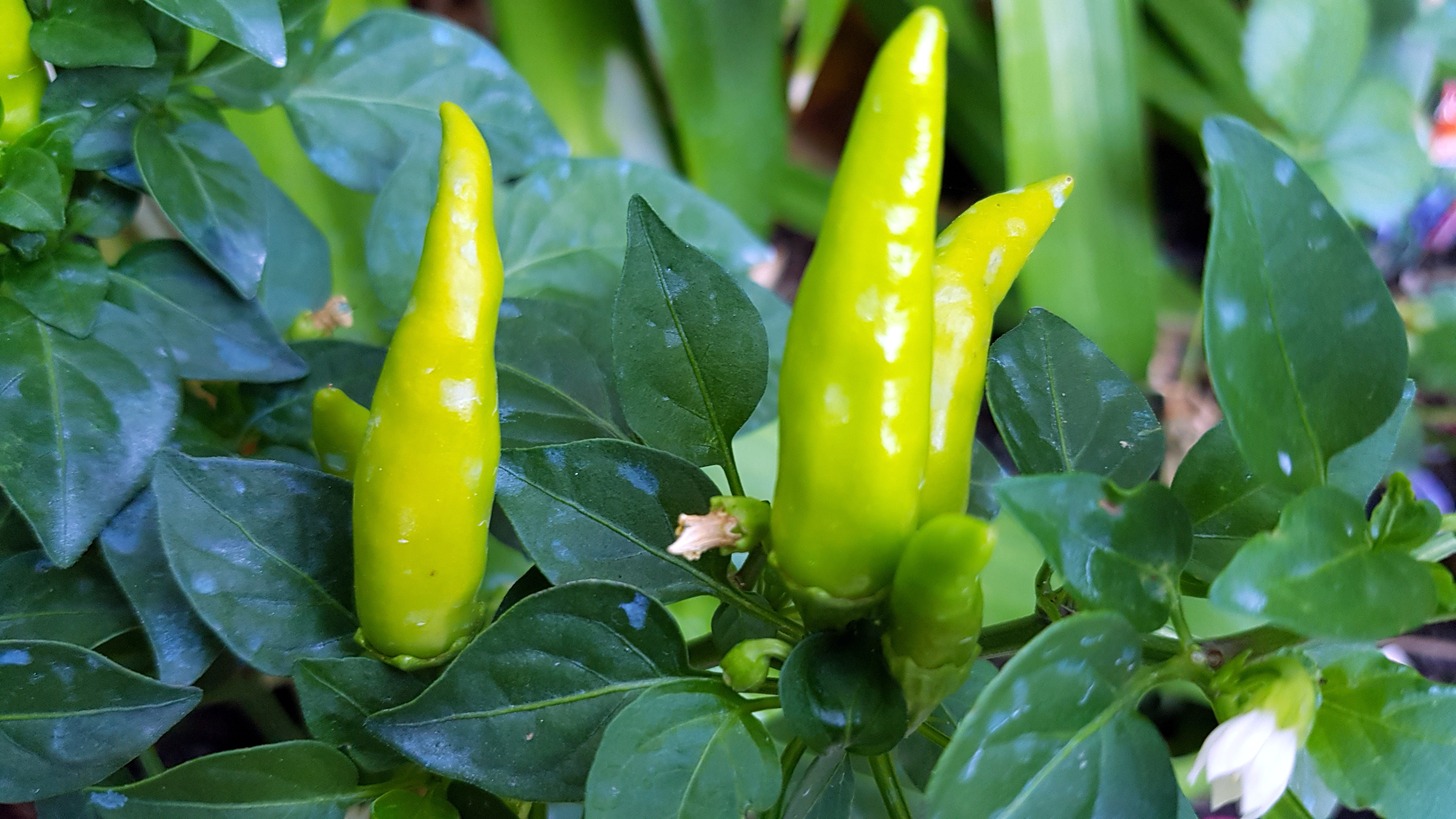
Chili Pepper: Hoa Lat
Hoa Lat is a bushy, heavy producer of medium sized, long tapered fruit. It is another of my mild heat range favourites and is so easy to grow.
The fruit starts of yellow-green and ripens to a bright glossy red.
Taste:
I have only eaten this raw in salads and haven’t cooked with it. It has a fruity almost tangy taste that swirls around your cheeks and then settles on the tip of your tongue. The initial punch can be severe but it dissipates quickly leaving a nice taste in your mouth.
The guys at the Western Australia Chilli Seed Exchange have the seeds for sale here http://wacse.org/product/hoa-lat/ and the lads there put it at 20,000 Scoville Heat Units.
Flower:

Fruit:


Plant:

Perth Fruiting Months:
November to June
Planting/Care:
I use a mid range nitrogen and high potassium fertiliser regime during the summer months. Soil is improved with compost and manure and has a ~5-10% by weight of clay to sand ratio. Drainage is good.
I usually spray my chili plants with Dipel and pyrethrum (my go to natural insecticide spray) if I notice grub damage to the pods. The tomato grub in particular likes the larger fleshier chilis like the Trinidad Scorpion.
Enjoy,
PK
GICICI Chili Plants
[table id=chilis /]
YOU MIGHT ALSO LIKE
GROWING CHILIS 101
THE FULL GICICI INGREDIENTS LIST
GICICI’S WHAT’S GROWING IN PERTH?
Follow these links to see what to plant in a given month or read my monthly journal where I talk about what I am doing, have learned and have harvested.
JANUARY’S PLANTS OR PK’s Journal
FEBRUARY’S PLANTS OR PK’s Journal
MARCH’S PLANTS OR PK’s Journal
APRIL’S PLANTS OR PK’s Journal
MAY’S PLANTS OR PK’s Journal
JUNE’S PLANTS OR PK’s Journal
JULY’S PLANTS OR PK’s Journal
AUGUST’S PLANTS OR PK’s Journal
SEPTEMBER’S PLANTS OR PK’s Journal
OCTOBER’S PLANTS OR PK’s Journal
NOVEMBER’S PLANTS OR PK’s Journal
DECEMBER’S PLANTS OR PK’s Journal
Please consider subscribing to a weekly email summary of our posts or check us out on Facebook @growitcatchitcookit.
[mc4wp_form id=”15771″]
Written by
·
-

Snow Peas
Snow peas are one of my favourite edible plants to grow in my working garden. This annual flowering vine produces crisp edible pods and peas bursting with colour and flavour.
My boys love picking the pods with me when we pop out to get fresh ingredients for salads, stir fries and curries.

Taste/Aroma:
Raw pods and peas are crisp and very sweet. Cooking them makes the pods soft and the peas less sweet. The seeds remain plump though.
Very nice taste and texture regardless.
Flower:

Pods:


Plant:
Grow It Perth

Planting/Care:
Make a trellis out of 6 foot wooden stakes and twine. The plants will attach themselves to the twine using tendrils but I also wind in and out of the twine for more support. Top them once they are taller than the trellis to encourage horizontal growth and strength.
Here is an example trellis Ben and his family made in 2016:
Fertilise with high nitrogen liquid fertiliser at first and then low nitrogen, high potassium fertlisers to support the pea pods’ development.
Snow peas are very sensitive to average temperature and some years are less suitable to their success than others. They also have a delicate stem at their base and a small root structure. Be sure to thin seedlings so they don’t compete for the same nutrients and choose a spot that gets lots of winter sun.
Dry the seeds of healthy, heavy producing plants for the next planting.
When the plants are spent, turn the roots back into the soil to take advantage of this legume’s ability to fix nitrogen. Plant nitrogen loving edibles in the location next growing cycle followed by plants that don’t need nitrogen.
Related Links:
- see more snow pea posts here
- go to all meal ingredients
- go the Grow It Perth calendar
Written by
·
-
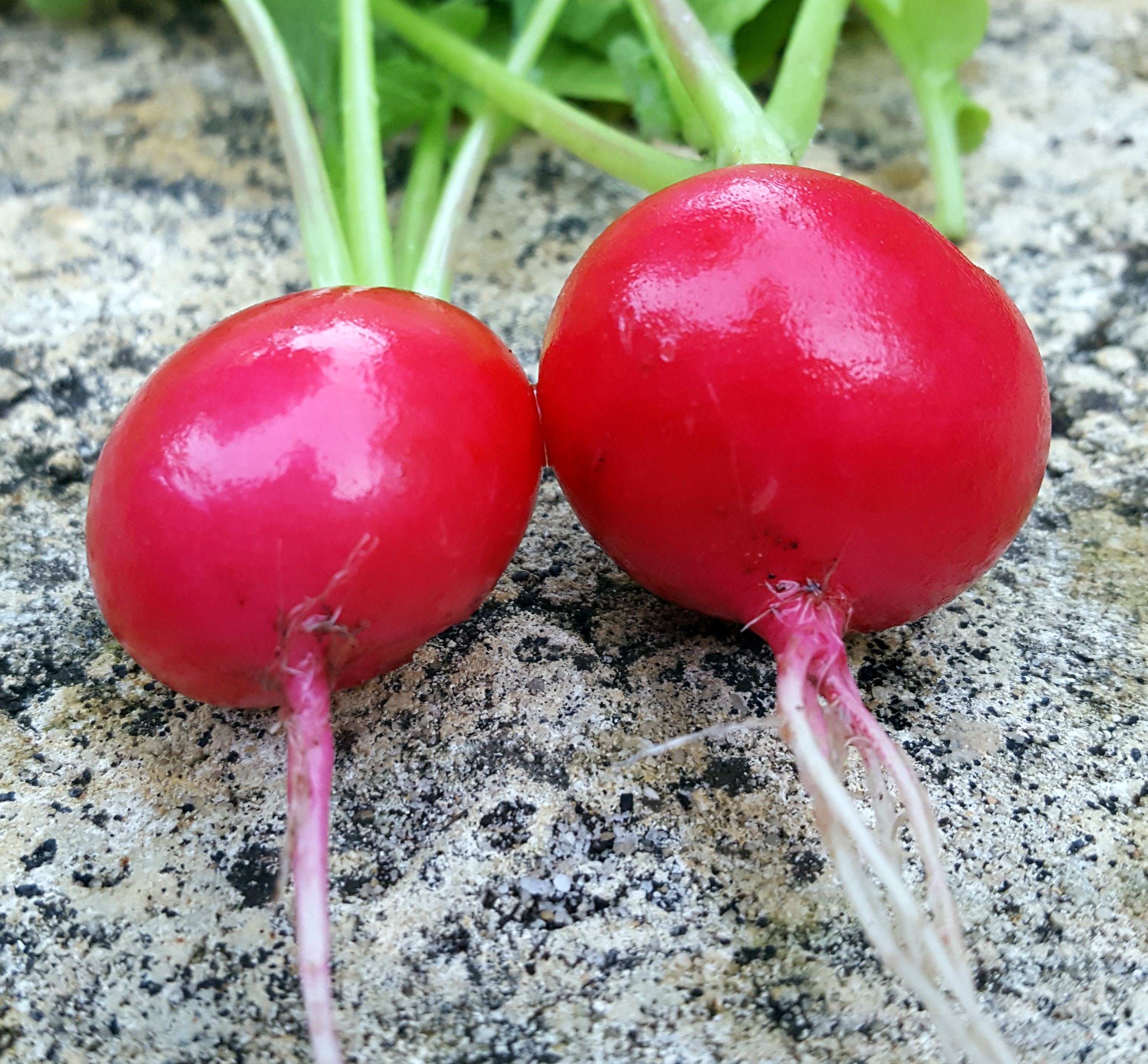
Radishes: Grow And Eat
Many varieties of this crisp and crunchy edible root can be grown all year round in Perth, Western Australia. They are very easy to grow and my children love watching their rapid growth and asking where Peter Rabbit is :).
You can have fresh radishes all year round by simply planting a new batch every 2 – 3 weeks.
Taste/Aroma:
Most people are familiar with the sharp bite it brings to salads and sandwiches. They even go well in soup. Although some varieties are milder than others it is a love or hate thing I am afraid :).
Did you also know:
- that you can also eat the leaves and sprouts?
- they go great in stir fries (for example radish carrot and edamame stir fry)?
- you can pickle them (I have some daikon growing and will give this a try soon)?
Watermelon


Cherry Belle


Daikon


French Breakfast

Growing Months:
- All months
Planting/Care:
Simply sow directly where they will be growing (choose a spot in full sun if you can) every 2 – 3 weeks. The soil should loose, full of composted organic matter and be well draining.
Don’t over do it on the nitrogen front when fertilising or the plants will put too much effort into growing leaves.
Sometimes the seedlings work themselves up and out of the soil, holding on by just a few roots. Gently pull them out and transplant them a bit deeper.
Enjoy,
PK
YOU MIGHT ALSO LIKE
RADISH RECIPES
THE FULL GICICI INGREDIENTS LIST
GICICI’S WHAT TO GROW IN PERTH GUIDE
Please consider subscribing to a weekly email summary of our posts or check us out on Facebook @growitcatchitcookit.
[mc4wp_form id=”15771″]
Written by
·
-
Aloe Vera
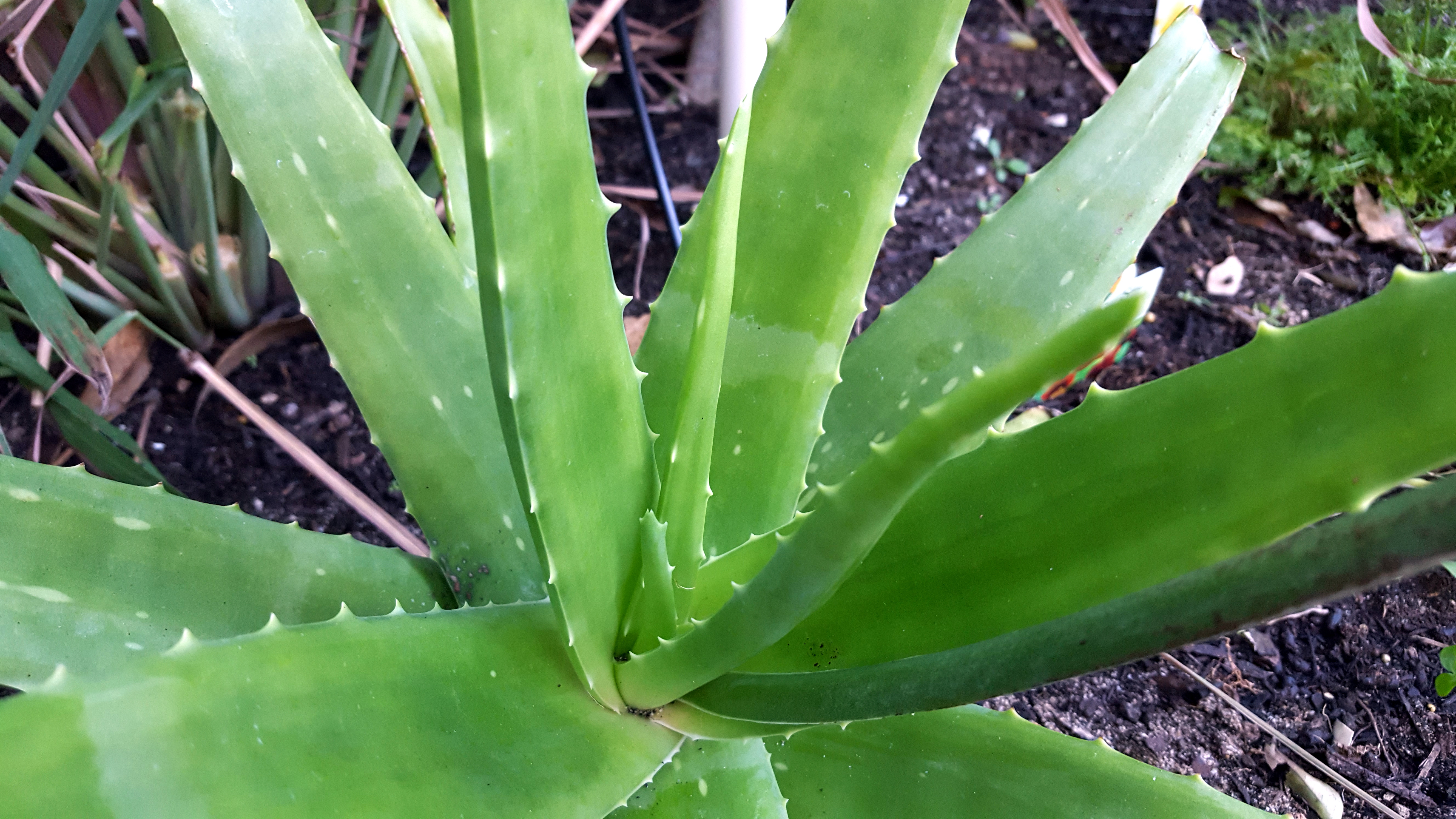
Aloe vera is one of those plants that everyone recognises on sight. I grow it because I love the look of it.
The thick fleshy leaves have little white barbs that look like teeth but this has to be one of the friendliest and useful plants.
Aloe extract pops up in all sorts of beverages, moisturising products and sunburn remedies. Here is an example of how you can make your own gel http://www.wikihow.com/Make-Aloe-Vera-Gel.
Here is a cut leaf showing the gel:

Taste/Aroma:
Apparently the gel and juice taste awful. I am not game to try 🙂
Freshly cut leaves and the gel have an unpleasant acrid smell but you have to get pretty close to smell it.
Flower:
The flower is very attractive, lasts a long time and is perched a top a metre tall stem.

Plant:

Planting/Care:
I have it planted in rich well-draining soil that gets a little sun during winter and afternoon sun during summer. I generally keep clear of it when using fertilisers and I find it low maintenance. If potted, it is also very happy to be inside for long periods.
Aloe spreads via ‘pups’ that bud off the edges as a ready-made plant. These are easily transplanted and potted aloe vera plants make a great gift.
Enjoy,
PK
Here are some more grow your own food posts and some of my favourite ingredients:
Written by
·
-
Potatoes
I have never grown potatoes before so I am very excited to be trying to do so now :).
I can’t wait to make PK’s Baked Mashed Potato, Bacon and Cheese Balls with my own ‘taters.
Taste/Aroma:
The tubers taste of “earthy, starchy, happy goodness” and can be prepared many ways :).
Warning: the green leaves and any potatoes that have green skins are highly toxic.
Flower:

Source:
Fruit:
There are many varieties and everyone has a favourite.

Plant:

Fruiting Months:
- June
- July
- August
- September
- October
- November
- December
Planting/Care:
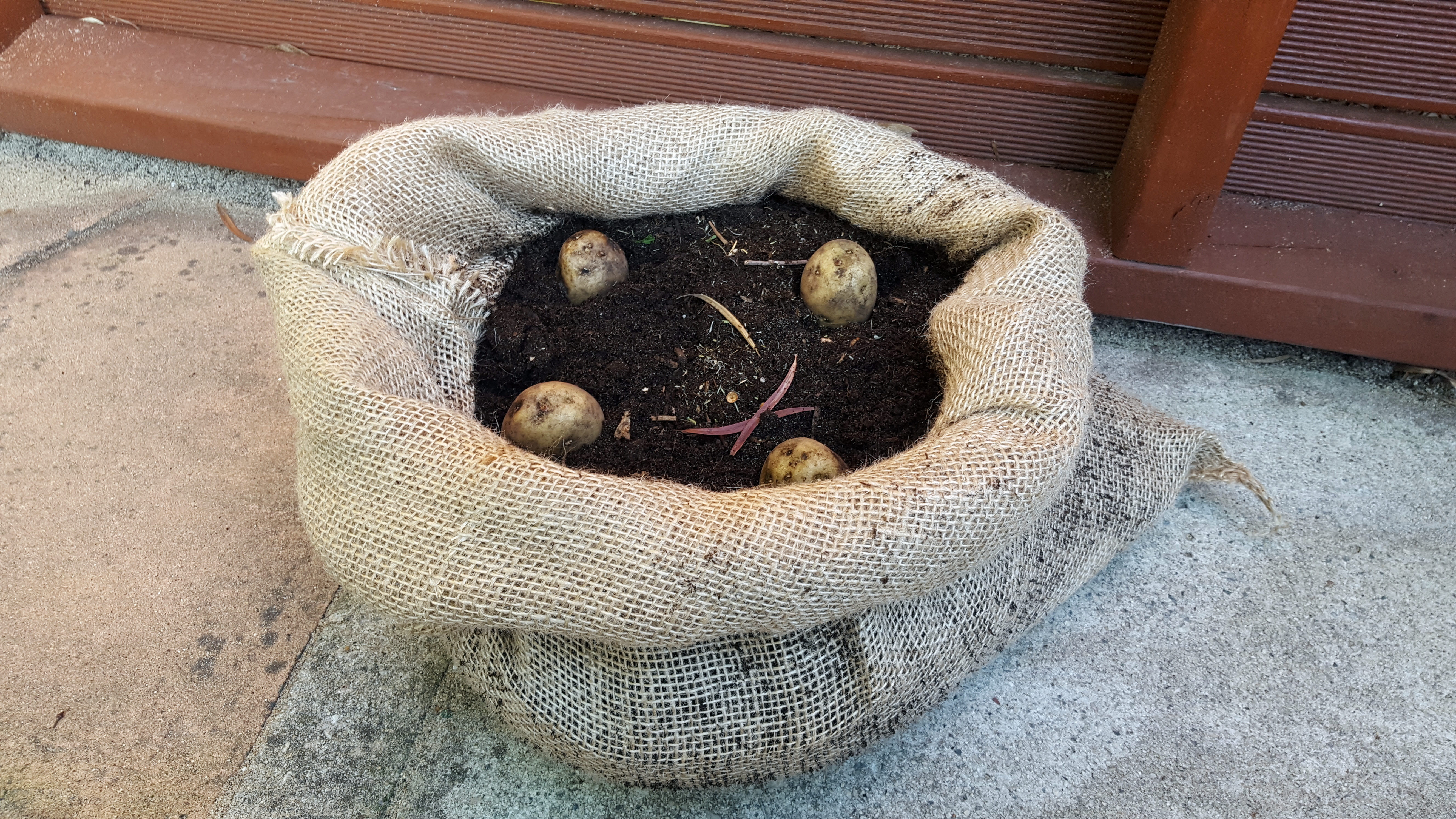
I am a potato growing novice. I have chosen to grow them in hessian bags as I have a lack of space in my Working Garden.
I will add to the photos and information as we go. I hope to have a bunch of potatoes to show you and only a few with green skins.
These are the products I am using (not being paid to):

Growth Album 2017:
Storage:
Store your potatoes in a cool, dark and dry location. A box or hessian bag is best.
Never ever use a potato that has a green skin (it is caused by the plant making chemicals to ward of insect attack) and you should throw them into your compost bin immediately so they don’t ruin the others.
Related Links:
Written by
·
-

Broad Bean (Fava Bean): Grow and Eat
This tall sturdy flowering annual in the bean family produces a multitude of long pods with 8 large beans (the thick walled pods are unpalatable raw) and edible leaves perfect for salads. The plant has sturdy stems and will grow to almost 6 foot but it is not a climber.
Taste/Aroma:
I love the buttery texture of this bean. You can do lots with it but I like to simply sauté them in some butter. I am the only person in the family that likes them though :).
I am yet to make soup with them but this is also a popular use of this bean.
Heike Motzek pointed me at this recipe as a use for the thick walled pods. Now I don’t have to put them all in my worm farms 🙂
Blanching and Storing:
One minute in boiling water and three minutes in freezing water and then into the freezer.

Flower:

Fruit:


Plant:

Leaves:

Grow It Perth:
I start planting in April, stopping in August/September. The plants will keep cropping into October.
Growing Fava beans is relatively easy but you need to give the mature plants some support as they can grow to 6 foot. I use coils of chicken wire but stakes and twine do just as well.
Use a vegetable tailored NPK fertiliser and you should get multiple crops from each plant.
Enjoy,
PK
YOU MIGHT ALSO LIKE
MORE RECIPES USING BEANS
THE FULL GICICI INGREDIENTS LIST
MORE VEGAN , VEGETARIAN , GLUTEN-FREE INGREDIENTS AND MEALS
Written by
·