Tag: butchery
-

Killing A Rooster For Food
Last weekend I slaughtered and cooked my first ever bird. It was a rooster that could not be kept on an urban block. I wanted to make the best possible use of this beautiful animal and give it an humane death.
Me doing this was very important to me as it sums up the whole ethos of Grow It, Catch It, Cook It. I made use of a potentially wasted resource and put food on my family’s table. There was no plastic tray, long transport route and I used everything but the “beak” so to speak.
I was very pleased that despite it being my first attempt the bird did not suffer unduly. I had done a lot of reading, watched many youtube videos (see resources below) and spoken to my family and friends who were raised on farms.
Best of all, I got to make Coq au vin with a rooster as it should be.
Enjoy,
PK
Related Links:
- See some Australian RSPCA resources here.
- A youtube video I found useful on plucking/skinning (note the some might consider this graphic content and I point out it is not affiliated with my site in anyway) – https://www.youtube.com/watch?v=KGM8FzHhtBw
- See more butchery posts here.
Please consider subscribing to get a weekly email summary of our posts.
[mc4wp_form id=”15771″]
Written by
·
-
Rabbit Whole: How To Break It Down
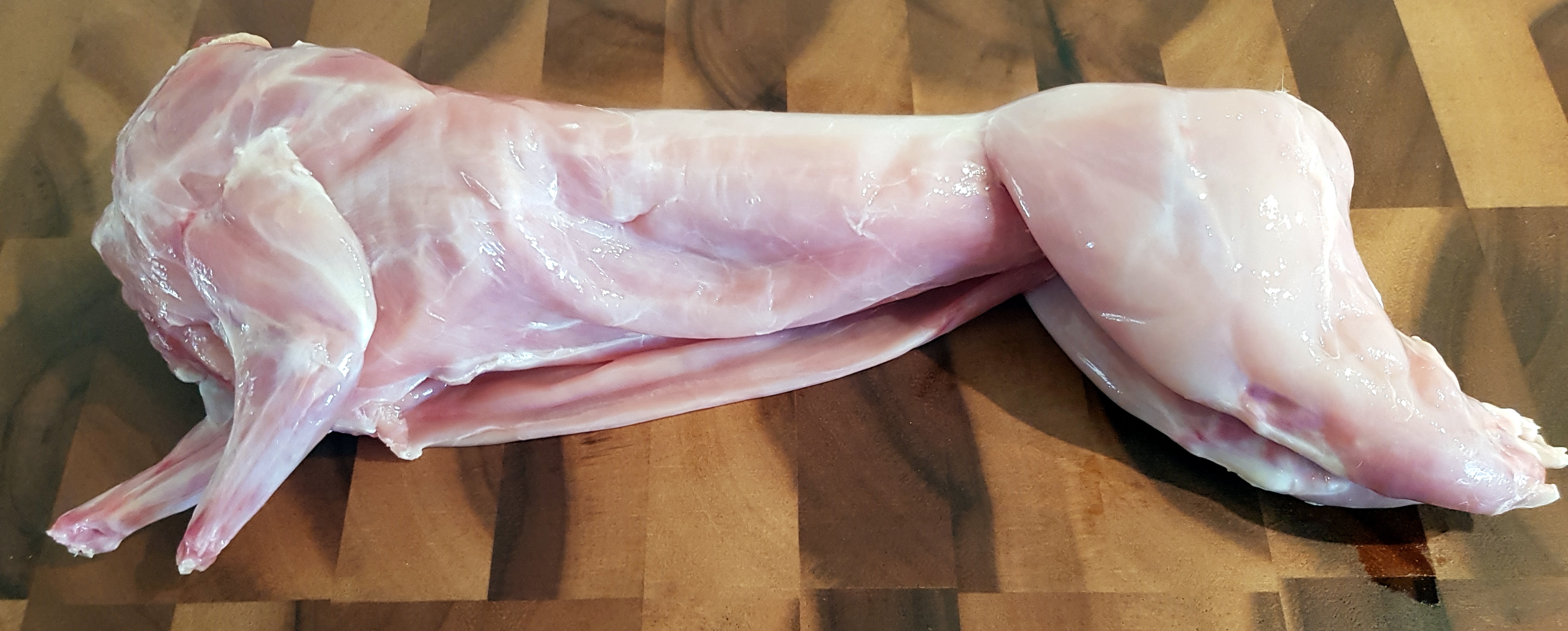
I love eating rabbit. I don’t know about wild rabbit but farmed rabbit meat is every bit as tender as chicken and for me at least, that little bit novel.
I follow Scott Rea’s advice when I break down whole rabbits (see his FB page https://www.facebook.com/Scottreaproject for great catching, butchery and cooking advice).
First I remove the pluck.


Then I cut through the backbone just below the rib cage.

I remove the front legs like I would a chicken’s wings (see chicken wings).

Then I remove the back legs, again using the same technique as I would on a chicken (see chicken legs).

That left me with with the trunk which is simply the best looking cut I have ever seen.

You could even simply cut the whole rabbit below the rib cage and cook the back half on the barbecue. The front end goes into my Rabbit Stock.

In 2018 I will explore cooking methods and recipes to bring out the best in this lean meat.
Enjoy,
PK
Related Links:
Please consider subscribing to get a weekly email summary of our posts.
[mc4wp_form id=”15771″]
Written by
·
-
Chicken Breast
Breaking down a whole chicken is a great way to save money and you know that you are making the best use of a precious resource.
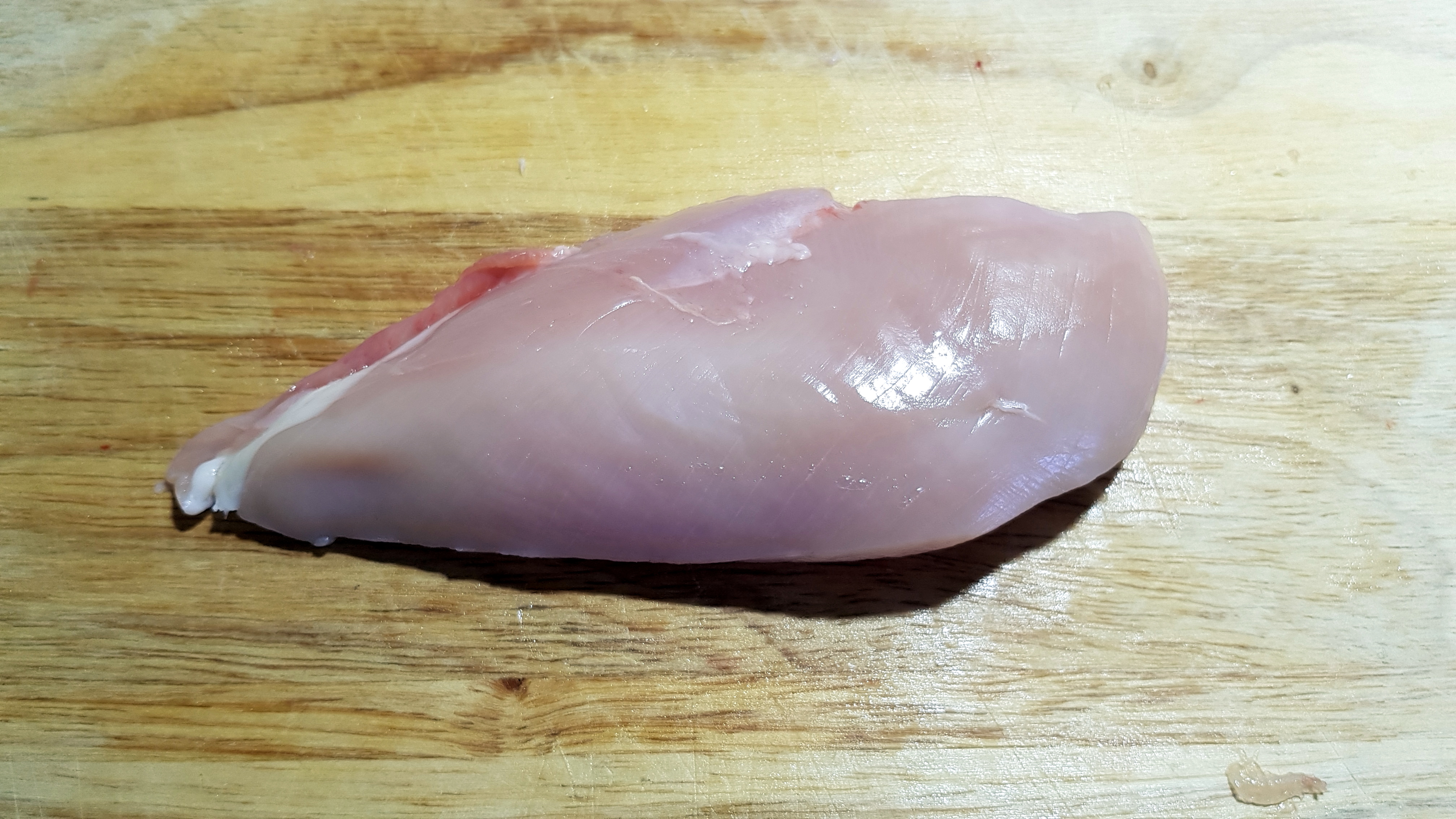
Here we are removing the breasts from the body and practically getting the rest of the chicken for free 🙂 .
The breast meat doesn’t do a lot of work during the modern chicken’s life so is very tender. They are very versatile and seem to be most people’s favourite. I use them a lot in my cooking except in curries and stews where the longer cooking can dry the breast meat out.
Removing the breasts
- By now you will have taken the wings and legs off the whole bird (see links below showing you how to do that).
- Place the chicken in front of you, breast up and tail end facing away from you.
- Locate the breast bone that, just like in humans, is made of cartilage and runs down the middle of the chest.
- Slice along one side of the breast bone, keeping close to it and making careful cuts downwards, and the the breast will begin to fall off.
- Repeat on the other side.


Removing the tenderloin
- You can go one step further and remove the tenderloin (a long thin tender muscle that runs the length of the breast) from each breast.
- Take your knife and run it along the natural seam (I have started in the picture below to show you where it is).
- Use tenderloins in stir fries etc or turn them into home-made chicken nuggets.


Enjoy,
PK
More Chicken Cuts:
[table id=chicken /]
Related Links:
- see all recipes using chicken here
- go to the main page about chickens here
- more home butchery posts
- go to the main ingredients page here
Please consider subscribing to get a weekly email summary of our posts.
[mc4wp_form id=”15771″]
Written by
·
-
Chicken Crown
Breaking down a whole chicken is the best way to save money and also know that you are making the best use of a precious resource.
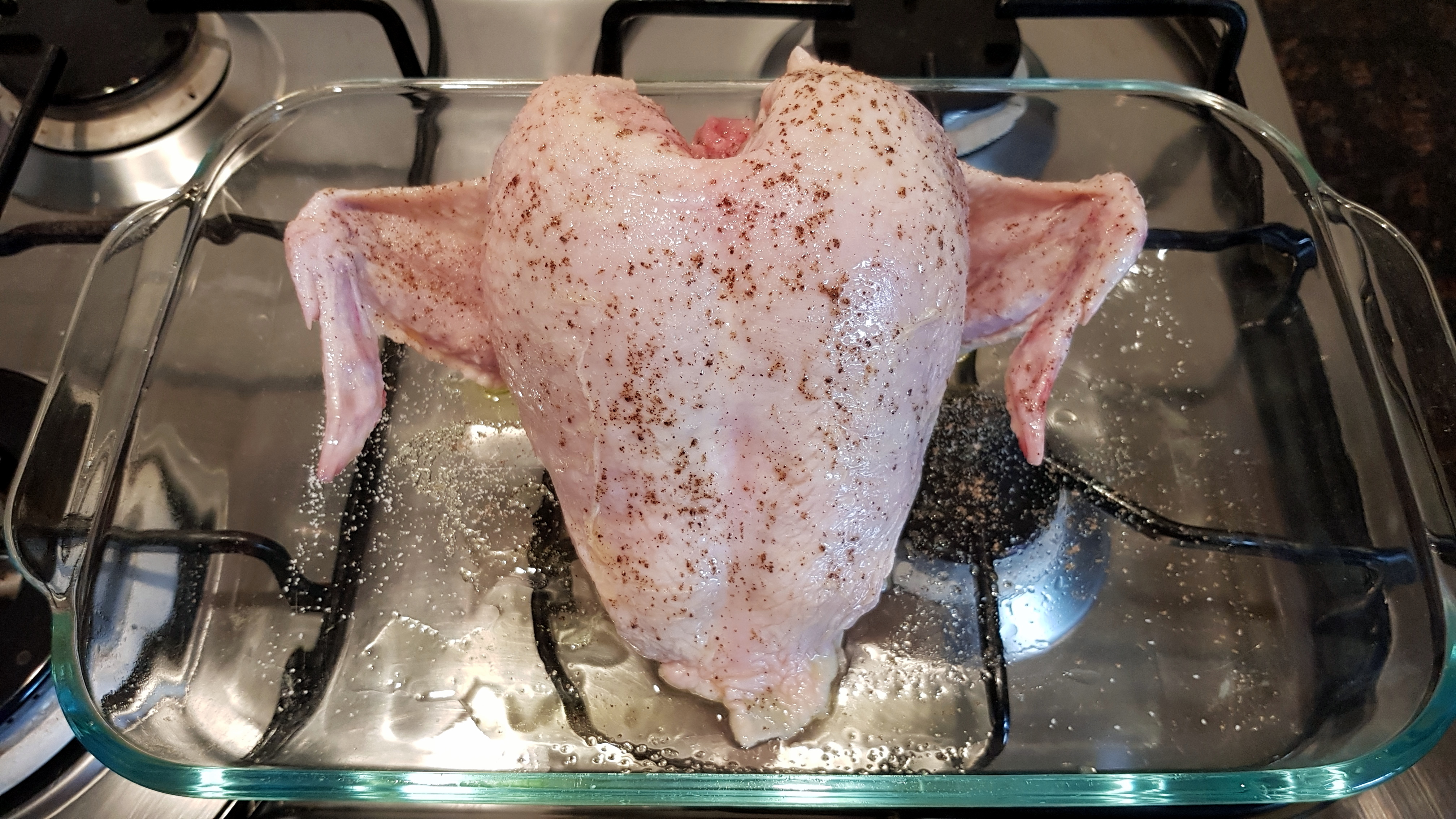
After removing the wings and legs from a whole chicken we can make what is called a ‘crown of chicken’. It makes for a perfect roast and you can even leave the wings attached. I am
going to try(I did, see it here) stuffing the cavity with bacon next time I cook one :).If you need any help I recommend watching Scott Rea’s video which I have included at the end of this post.
Crown of chicken
There is a line that runs along the underside of the breast. Use your knife or shears to cut down and along that line, severing the backbone. Trim up the neck skin and there you have it.


You can go further and either a) cut the crown in half, see last picture below, and or b) cut the lower rib cage away and then halve the crown to get two breasts on the bone.

Cooking suggestion – PK’s Chicken Crown Roast With Bacon

Enjoy,
PK
More Chicken Cuts:
[table id=chicken /]
Related Links:
- see all recipes using chicken here
- go to the main page about chickens here
- go to the main ingredients page here
Scott Rea video:
Please consider subscribing to get a weekly email summary of our posts.
[mc4wp_form id=”15771″]
Written by
·
-
Chicken Wings
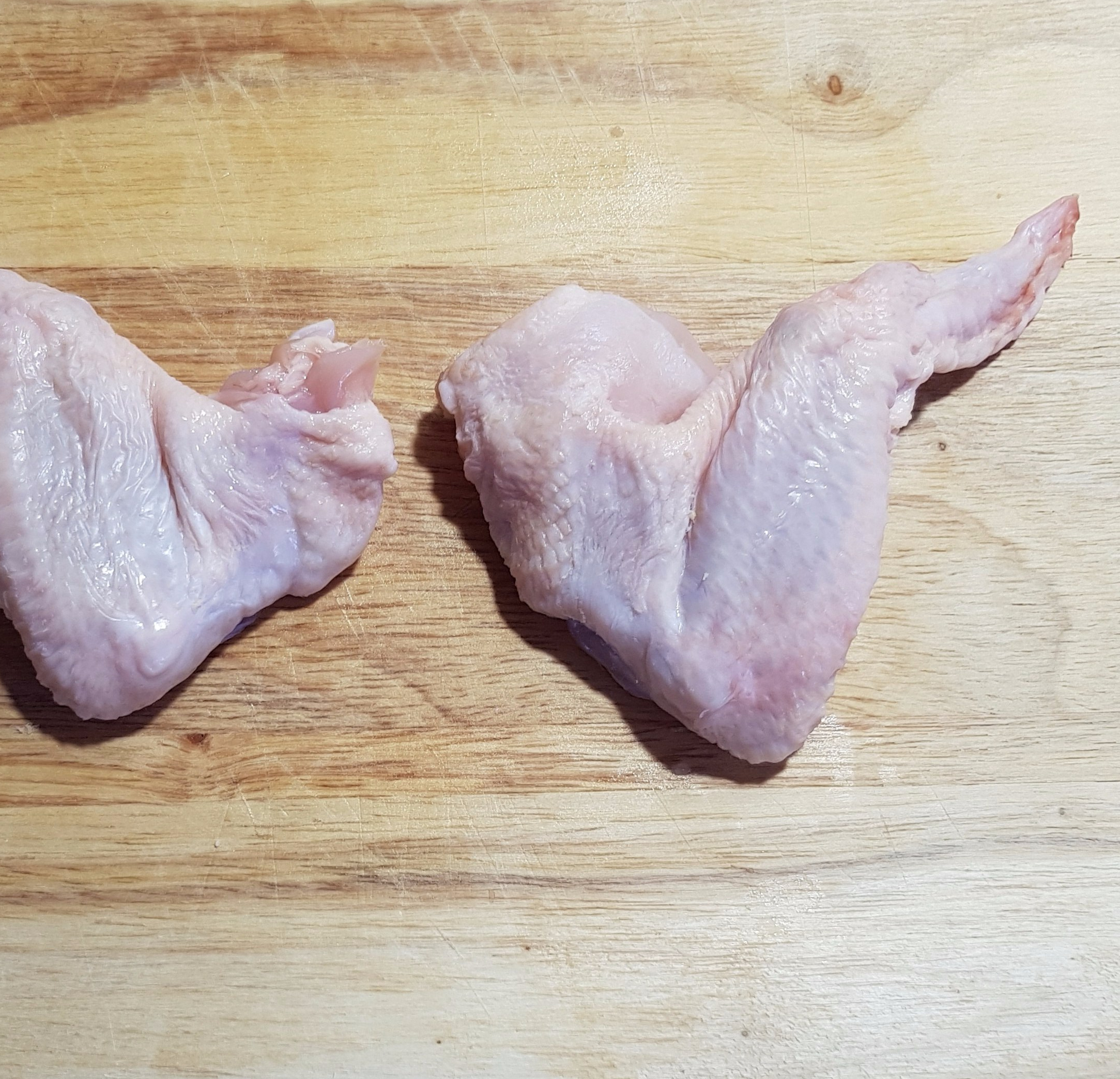
Breaking down a whole chicken is the best way to save money and also know that you are making the best use of a precious resource. Here we are removing the wings from the body.
They go great in curries and on the barbecue. Everyone loves chicken wings 🙂
Removing the wings
- Place the whole chicken in front of you, breast up and wings towards you (in the pictures below I have already removed the legs).
- Hold one of the wings and move it around to get a feel for where to cut. Where it is pivoting is the shoulder joint. The first image below shows how the humerus attaches to the rib cage. We want to cut through that joint ie not through any bone. I help my aim by giving it a bit of a wrench to dislocate it.
- Keeping your hands safe, cut down and through the shoulder joint (there should be little to no resistance) to remove the wing.


Enjoy,
PK
More Chicken Cuts:
[table id=chicken /]
Related Links:
- see all recipes using chicken here
- go to the main page about chickens here
- go to the main ingredients page here
Please consider subscribing to get a weekly email summary of our posts.
[mc4wp_form id=”15771″]
Written by
·
-
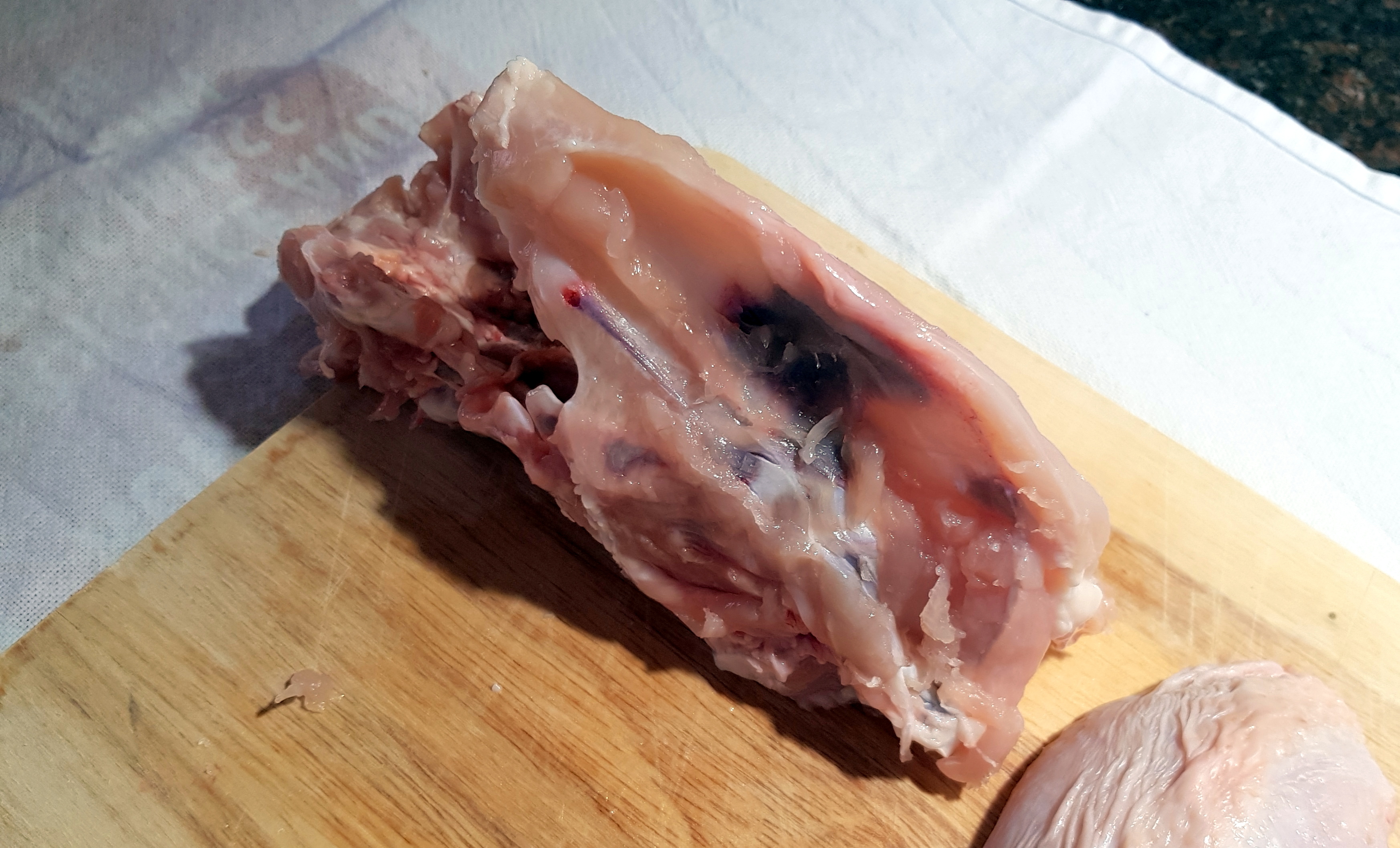
Chicken Frames And Bones
Everything but the cluck cooking ends with using chicken frames and bones!
Written by
·
-
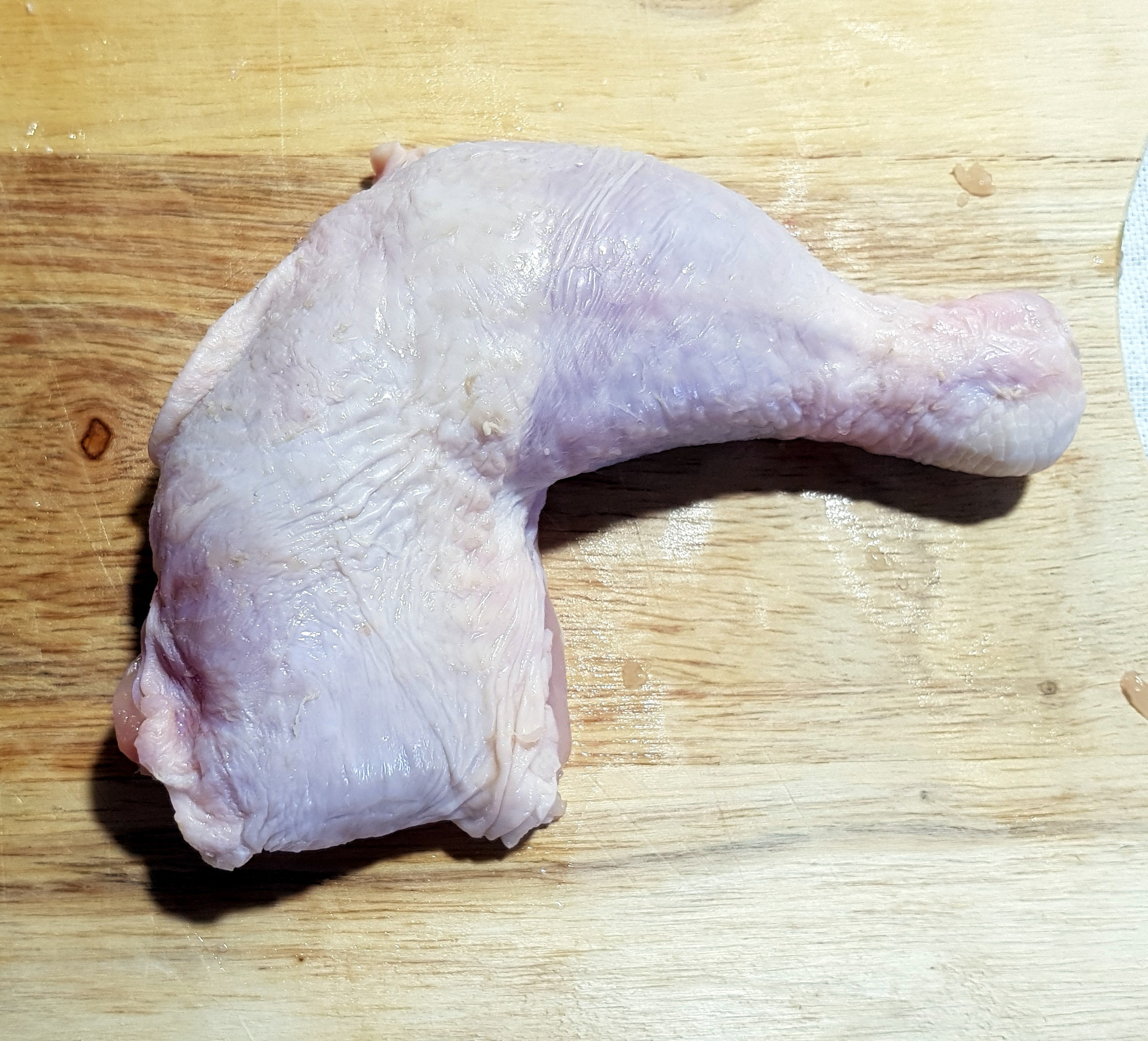
Chicken Leg, Thigh And Drumstick
Breaking down a whole chicken is the best way to save money and also know that you are making the best use of a precious resource. Here we are removing the legs from the body.
The leg meat has more flavour than breast meat and is juicer. That makes it perfect for soups and curries where the breast meat might dry out.
Removing the whole leg
- Place the whole bird legs towards you and breast up.
- Feel with your hands where the thigh bone attaches to the hip.
- Keeping your fingers safe, cut downwards at that point until the leg is mostly free but not fully cut off.
- From below the leg, use your hands to pop the thigh bone up and off the hip.
- Turn the bird over and cut around the thigh bone trying to pick up the meat that is on the body but still considered leg meat.
Separating the thigh and drumstick
Simply cut through the knee joint to further break down the leg into the thigh (above the knee) and drumstick (below the knee). In the pictures below you can see that there is nothing below the ankle. If there is you can also cut this off.

Enjoy,
PK
More Chicken Cuts:
[table id=chicken /]
Related Links:
- see all recipes using chicken here
- go to the main page about chickens here
- go to the main ingredients page here
Please consider subscribing to get a weekly email summary of our posts.
[mc4wp_form id=”15771″]
Written by
·
-
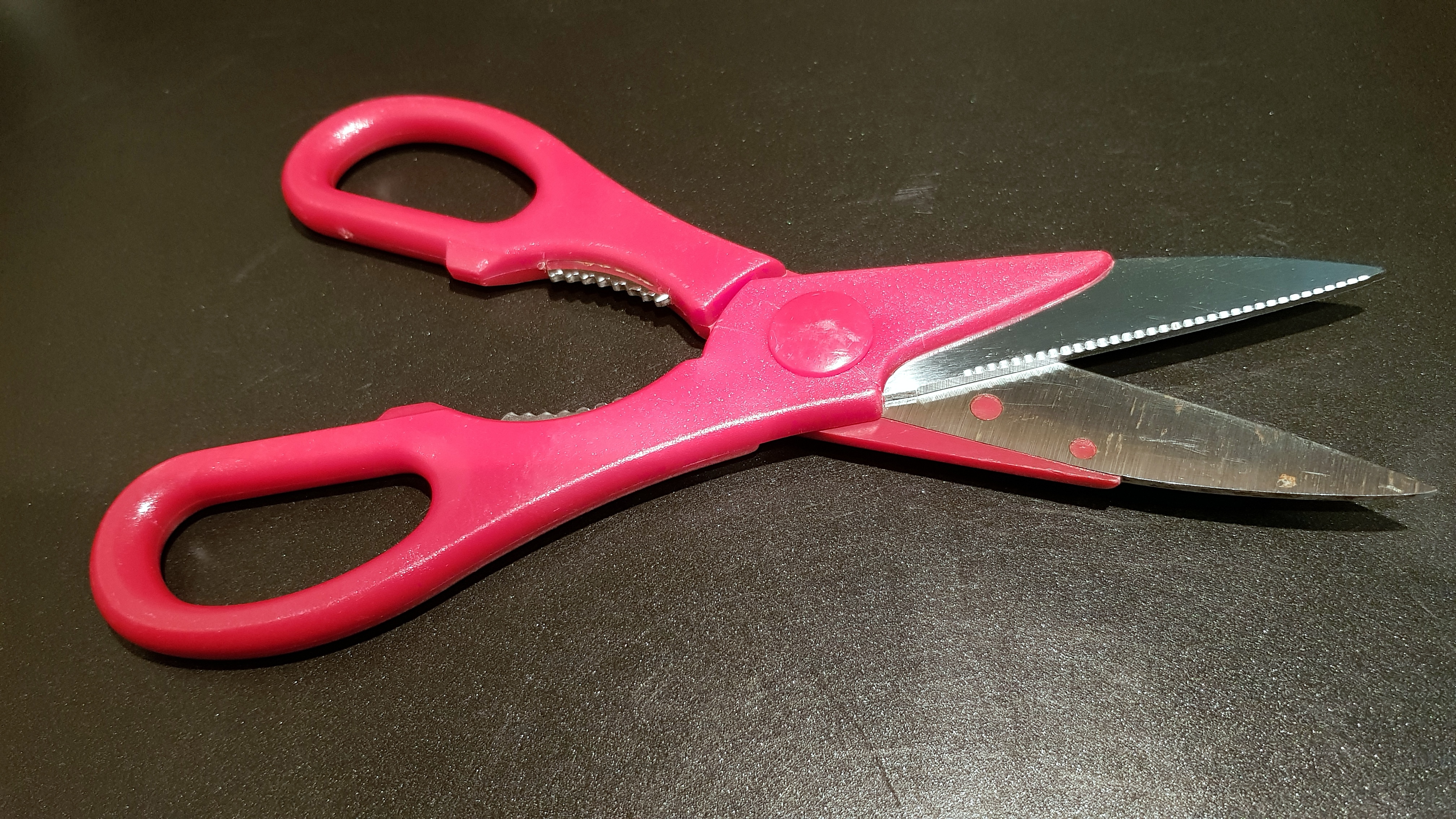
Kitchen Shears
If you have a couple of good kitchen knives you don’t really need a set of kitchen shears/scissors. However for convenience sake I recommend you buy them.
I use them to cut lobster tails, chicken frames, vegetables and so much more. Just remember to keep them clean going from raw food to cooked food.
Related Links:
Please consider subscribing to get a weekly email summary of our posts.
[mc4wp_form id=”15771″]
Written by
·
-

16cm Victorinox Swibo Curved Flexible Blade Boning Knife: PK Reviews
I have to say that as a home cook that buys meat in bulk, I love this knife. As soon as you hold the handle you can tell it is specialised for its intended task. The grip, the flexible curved blade and sharp point is designed for following the lines of bones and seams.
I am an awful “butcher” but this exceptionally sharp and well designed knife helps me get the job done with minimal wastage.
This is not a paid post. I bought mine online from http://www.kitchenwarehouse.com.au for $31.95 AUD.
Product Review
16cm Victorinox Swibo Curved Flexible Blade Boning Knife

Pros:
Cons:
Being a novice and not having anything to compare it too I can’t find any.
The Verdict:
Great product at a very reasonable price. Suitable for commercial environments and home butchery.
I hope this review helps you and feel free to send me any comments if you want to add to it.
PK
Written by
·
-
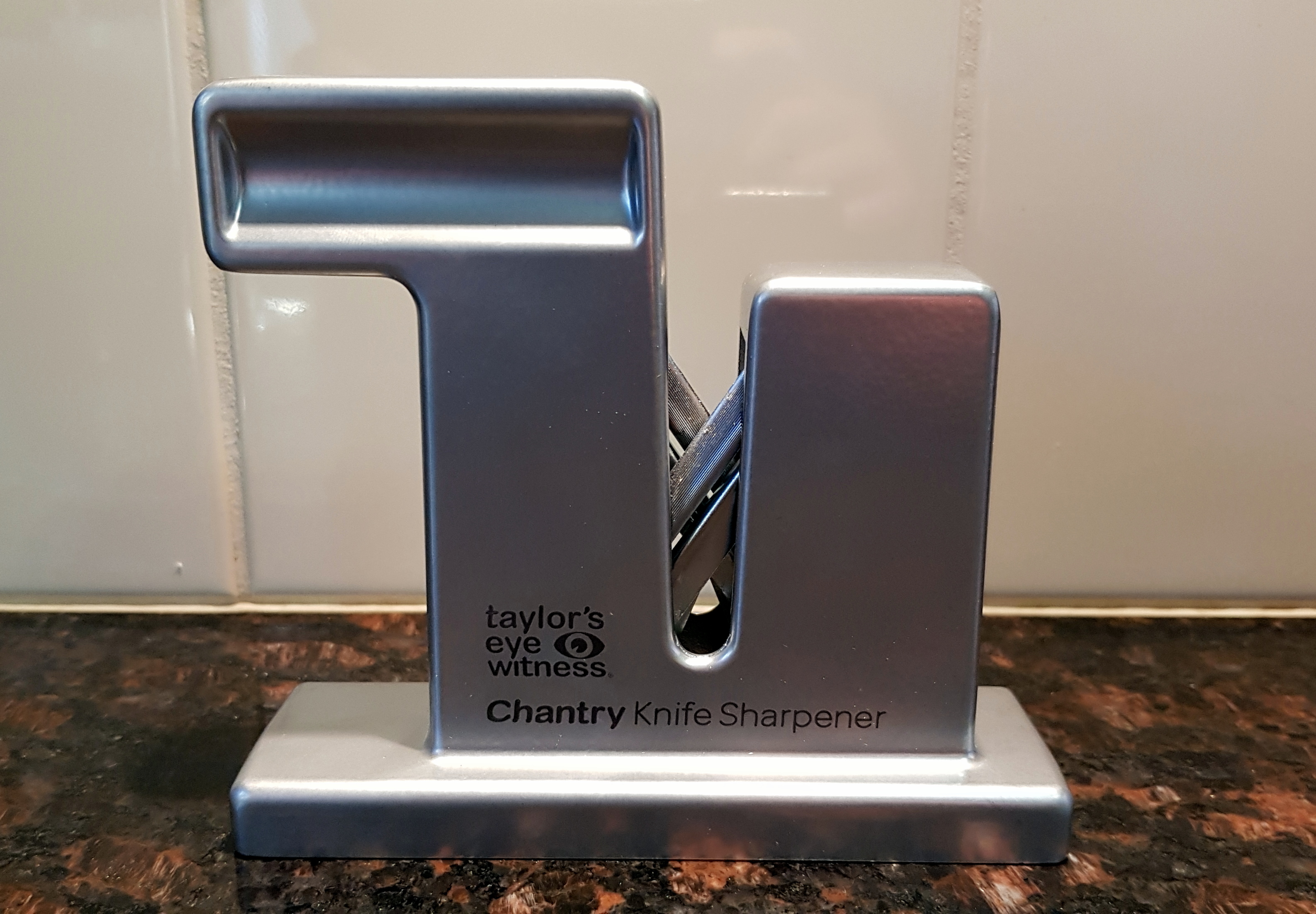
What Is A Chantry Knife Sharpener?
I treated myself to this chantry knife sharpener after seeing it in one of Scott Rea’s videos titled ‘tools of a master butcher’. If it is good enough for the Scott Rea Project then it is is good enough for yours truly. 🙂

Remember that we are not putting an edge on the knife here, we are simply uncurling that edge so that we have no “blunt” parts (caused by misalignment) hence making the knife cut easlier.
I have an excellent hand steel (links to videos on how to use them below) and my pride and joy is my 25cm Victorinox Swibo Rigid Butchers Knife. As a beginner though I can sometimes do more harm with my steel than good.
With the chantry knife sharpener the angle of the built in mini rolling steels remains perfect with every pull through of the knife. I can attest that after a few pulls the knives are extremely sharp and that means they are safer to use (with all due respect).


Enjoy and be careful,
PK
Here are some more knife sharpening and general knife info posts:
Written by
·
