Tag: ingredients
-
Bish Grows Spring Onions The Thrifty Way
I’ll readily admit I heard about this from PK directly, and have been super happy with how it’s gone – I’ve not bought spring onions for over a year as a result.
The trick is to buy (your last!) bunch of spring onions from the supermarket, and make sure a few of the ends have roots on them. Then, cut off that part with a centimetre or two of stalk above the roots and stick them in a pot of well draining potting mix.
These were my first two, just chucked in a pot as a tester a long time ago (April, 2018). They quickly grew and grew, and I let them go to seed, so that I could collect the seeds and re-sow them.

I then sowed a few seeds here and there, but in the meantime, bought some more spring onions from the shops, and then started dropping the bases into larger pots… along with a few coming up from seed.

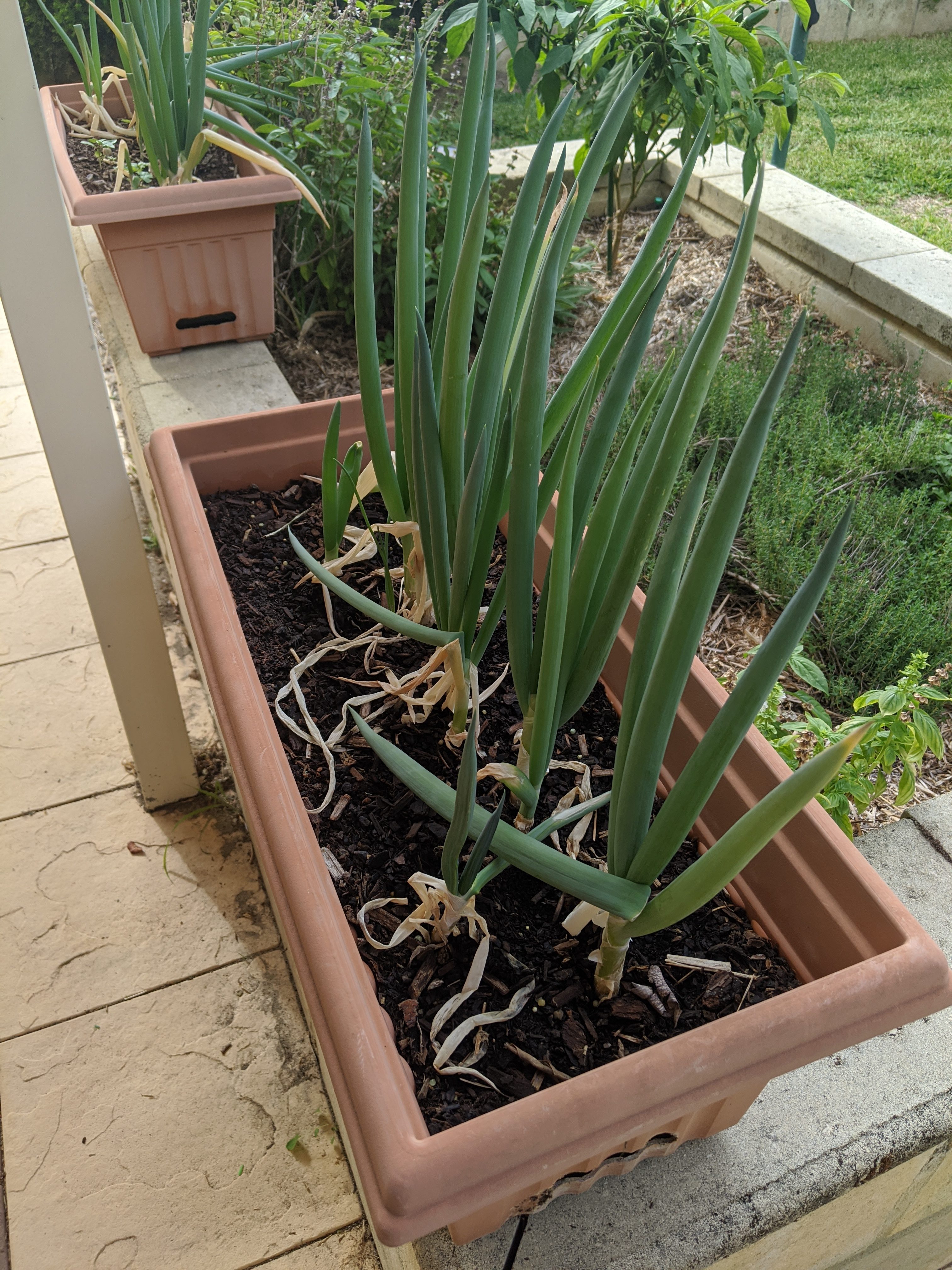
These grow really quite rapidly, in a matter of days you have spring onions growing rapidly (these ones in the picture below were planted around a day or two apart to get the gist of how quickly they grow).

Nowadays I have three of these longer pots with onions in them, so I can pretty much grab one or two whenever I want to – I just get a pair of scissors and cut them off just above the ground level, and then they reshoot.
Here they are today:

Last year, I let the whole lot go to seed at one point, and then completely ripped them all out of the pots and replaced all the potting mix. The soil was a tangled web of little white roots, and I simply shoved them into a back corner of the garden out of the way to see what would happen – they pretty much all kicked the bucket without the attention (i.e. water) they normally get in the pots (they’re on our herb bed edges, where we tend to water frequently).
I know this isn’t great for the farmers that grow the spring onions, but I hope that this can free them up to grow more difficult (and profitable?) vegetables for me – like leeks or other veggies that I can’t grow in the garden!
Anyway, this is such a simple thing to do, and it’s meant that we’ve saved a bit of money buying veggies, and can always get a fresh spring onion from the garden whenever we need one!
Enjoy the gardening in solitude,
Bish
Here are some more of Bish’s tips and kitchen ingredients:
Written by
·
-
Cheese: Moliterno
Moliterno is a hard sheep and goats milk cheese that hails from southern Italy.
It is full of flavour with a distinct but pleasant bight. It is medium on the salt scale and has a hard gritty texture.
As such it is the perfect table cheese and can also be used in salads, sandwiches and grated on stews and pastas.


Milk
Sheep and goat
Origin
Italy
Aged
Yes, at least 60 days and mine was 6 months.
Aroma
Not strong but very present. Smells grassy, definitely a sheep milk cheese.
Taste
Nutty with medium saltiness.
Texture
Hard gritty texture but not as much as Parmigiano-Reggiano.
Look
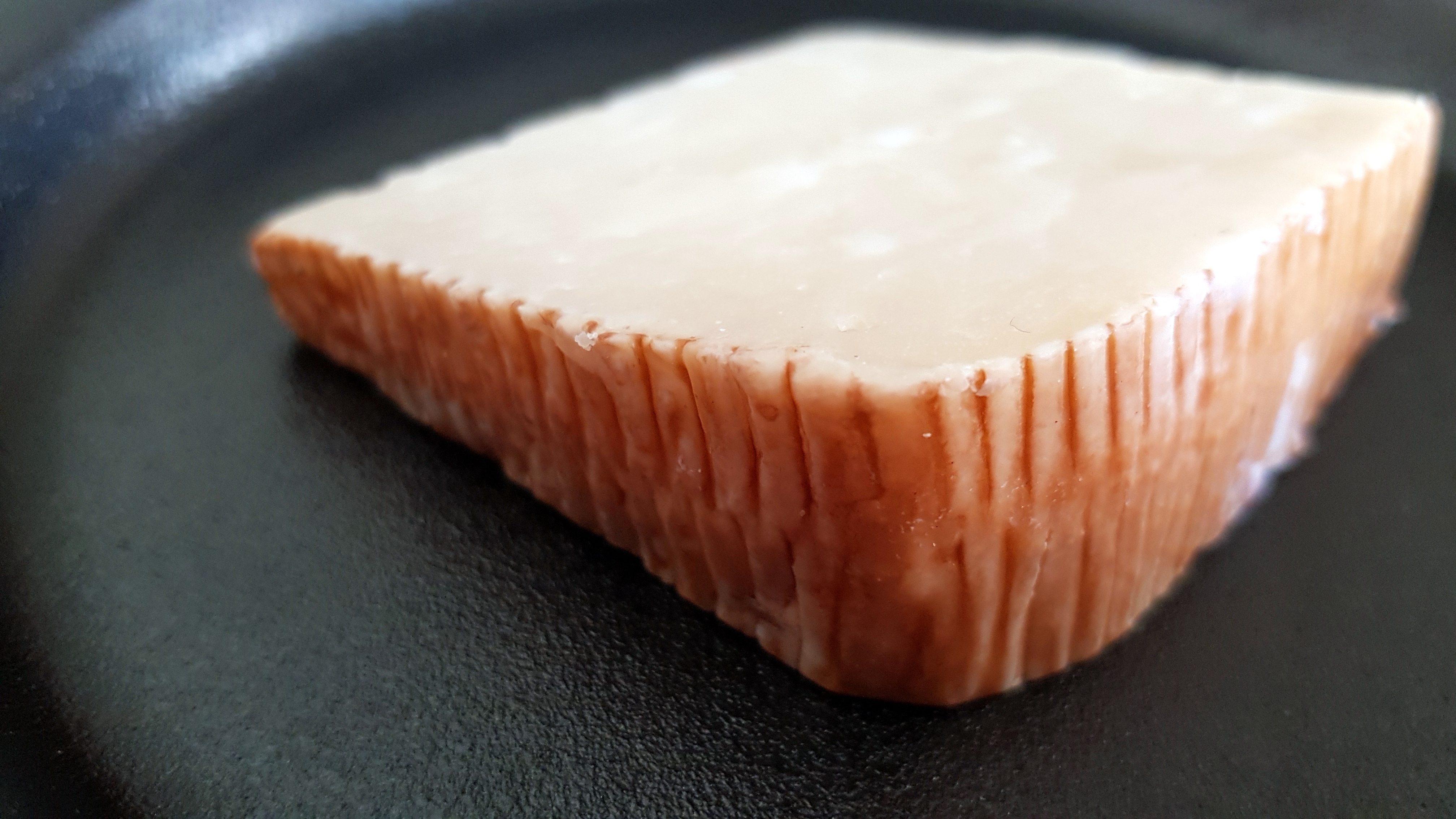
Yellow straw interior with visible openness. Orange rind.
Serving
I love it as a table cheese and in toasted sandwiches, pastas etc.


Manufacturing and Salting Method
Handmade/traditional cheese making methods are used. The curds are partially cooked, then pressed into moulds, dry salted and finally brine salted prior to a short ageing process.
Wine
Cheese.com says ‘ Wines such as Greco di Tufo, Falanghina, Lacryma Christi del Vesuvio and Aglianico make a perfect match.’
Here are some more posts about cheese:
Written by
·
-

How To Thicken Gravy, Sauce, Stew And More With Cornflour
When you are making stews, casseroles, sauces and the like, it is sometimes hard to get the balance between flavour and thickness. Your dish might have the right taste but be too watery.
Continue to cook it and you might ruin the flavours by over cooking it.
So what do you do?
Well you can use cornflour. You don’t want to stir it into what you are making however. This will just make the liquid lumpy.
Instead, take remove some of the hot cooking liquid and add a tablespoon of cornflour to it. Mix until you have no lumps.

Add a little to the dish and mix it in. Repeat until you get the consistency you want.
Here I had a pie filling that tasted right but would have made for soggy pies. Now it is ready:

Enjoy,
PK
Here are some more tips and posts about cooking ingredients:
Written by
·
-
Cheese: Massdam
Massdam is a moreish Gouda cheese from Holland. It is a light well rounded all purpose cheese.

Milk
Cow
Origin
Holland
Aged
Briefly 4 – 12 weeks
Aroma
It almost reminds me a bit of dried fruit but then the milky smell takes over. It is tantalising.
Taste
I get a strong nutty flavour with a buttery finish that is sweet rather than salty. It is delightfully squeaky on the teeth.
Texture
A semi-hard pliable cheese with many large cavities.
Look
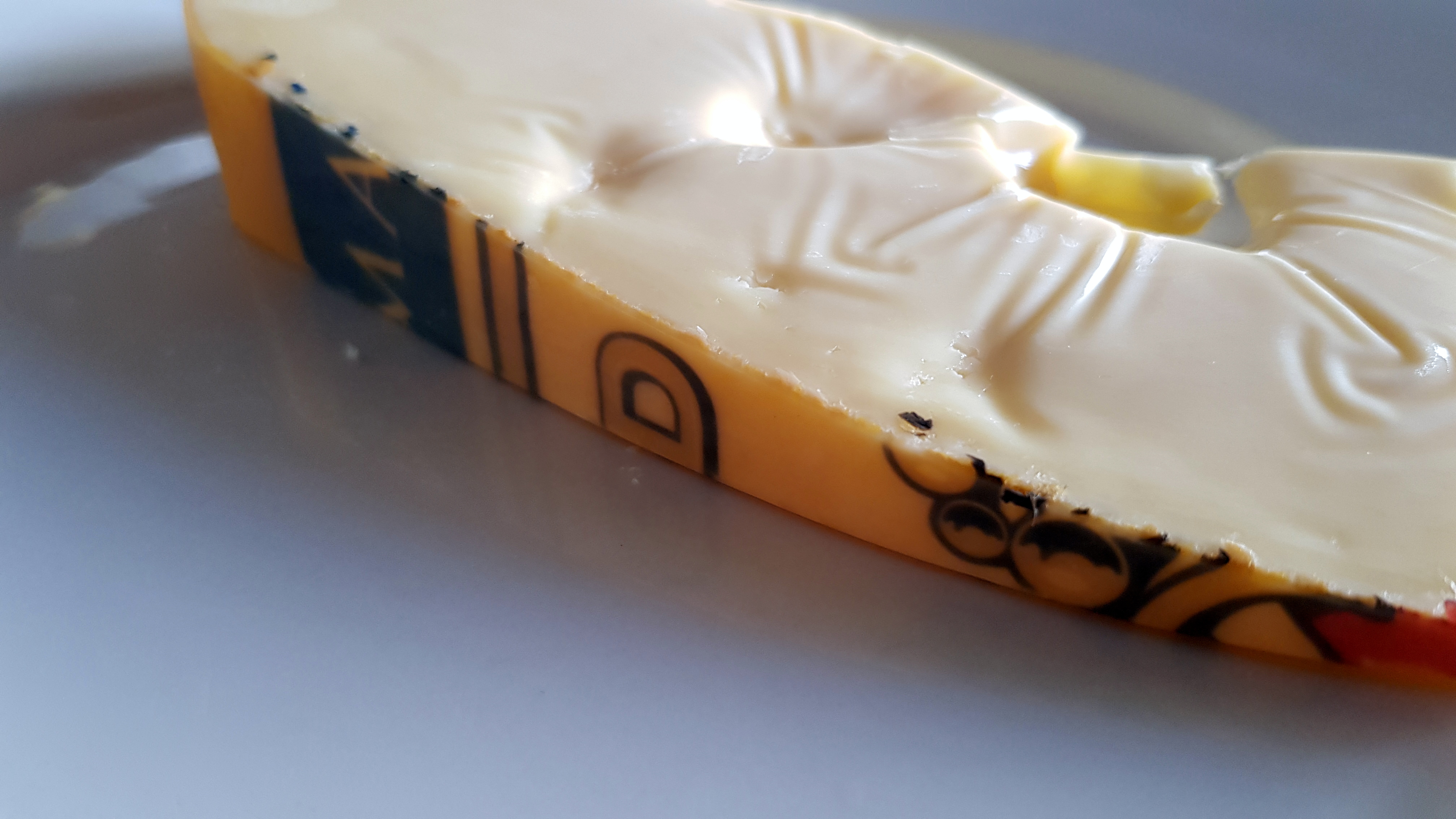
Pale yellow and waxy. The thin rind has been waxed and so it not edible. The interior has large eyes and is very open.

Manufacturing and Salting Method
Curds are pressed into cylindrical mold and excess water is removed. THe wheel is then salt brined before ageing. They are regularly turned.
Serving
It is the perfect cheese board, sandwich, salad and munch by the chunk kind of cheese. It also melts very well.

Wine
I am not a wine paring expert but the team at cheese.com say to try this with:
- White Zinfandel
- Gewurztraminer (PK here, I reckon this wine is the best)
- Chardonnay
- Merlot
- Sauvignon Blanc
- Chianti
Here are some more posts about cheese:
Written by
·
-
Cheese: Asiago
Asiago is an semi-firm cow cheese from northern Italy. It has a mild but addictive taste. It is great for salads, sandwiches and pastas where you don’t need a cheese with bite.
I love munching on it by itself and find myself going to the fridge for a slice more often than I should.


Milk
Cow
Origin
Italy
Aged
Yes, often 3 months.
Aroma
Milky and mild. You can tell it is a cow cheese.
Taste
Milky and not particularly salty.
Texture
Young it is semi-firm and it becomes crumbly with age.
Look
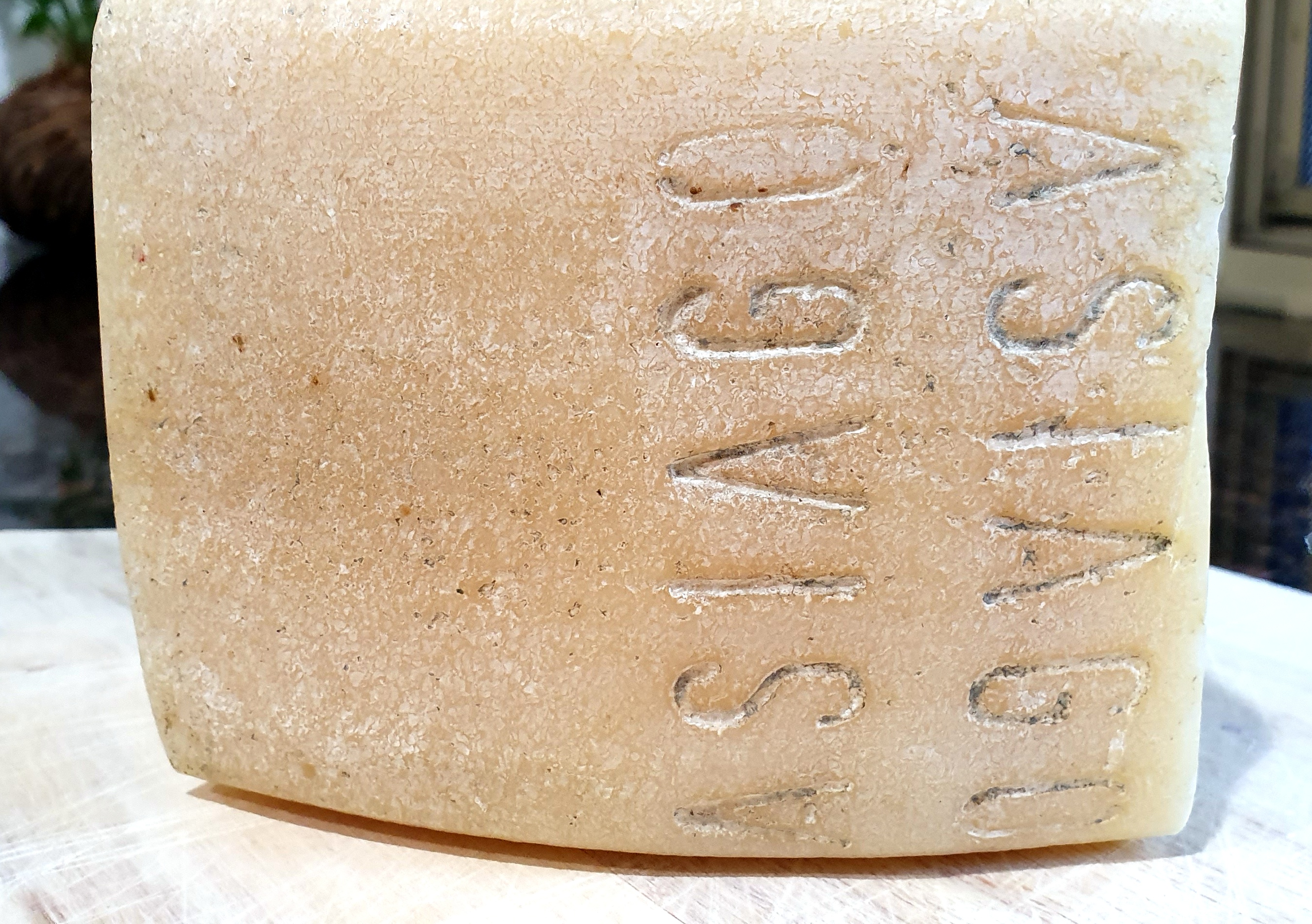
Yellow interior with visible openness.
Serving
I love it as a table cheese and in toasted sandwiches. Asiago melts well so it is very versatile.
Manufacturing and Salting Method
Handmade/traditional cheese making methods are used. The curds are partially cooked, then pressed into moulds, dry salted and finally brine salted prior to a short ageing process.
Wine
Your favourite red or white will go well. I like to pair it with a New Zealand or South Australian Sauvignon Blanc.
Written by
·
-
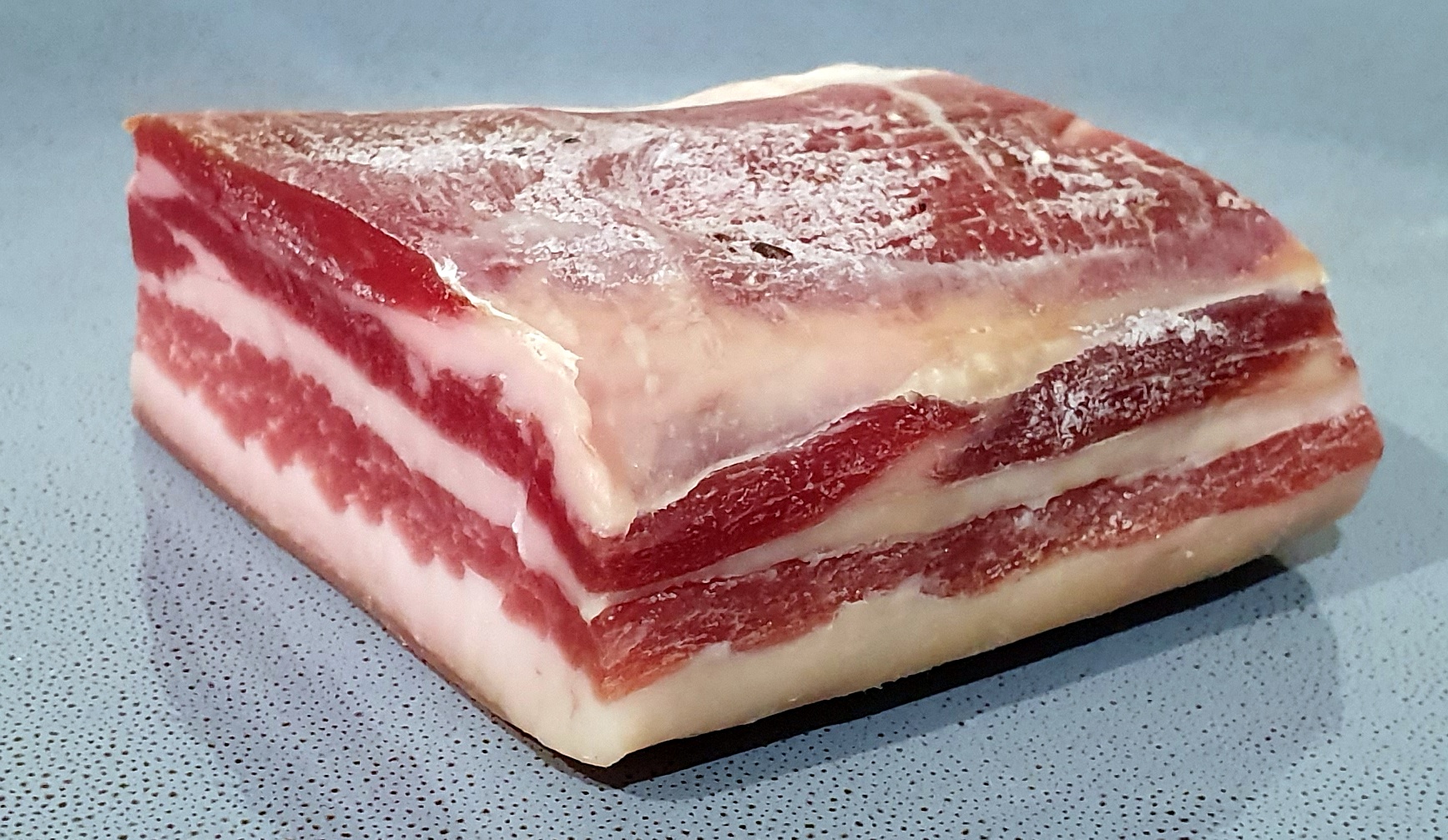
Pancetta
Pancetta is a cured meat product made from the pork belly cut. It is produced in two forms, rolled or flat. Bacon can also be made from this cut so what is the difference between pancetta and bacon?

Bacon is salt cured (by brining) and then smoked to preserve it. Pancetta is cured using salt, pepper and sugar and then hung to dry. If it is smoked it is only lightly done and for flavour only.
Preserving meat via various curing techniques was the only way before refrigeration to extend the times of year that meat was available.
It is perfect in pasta dishes, pizza, salads, tasting plates and the list goes on. You just need to remove the rind and cut it to size. It is chewier than bacon and although salty, you can taste the herbs and spices the manufacturer used. There are some with a hefty pepper and chilli punch.

Pancetta is a must have Italian cooking ingredient and as such I have started making my own using a ‘River Cottage‘ recipe. It is early days but I will post how it turns out soon though. 🙂
Enjoy,
PK
Here are some more posts about salumi and Italian cusine:
Written by
·
-
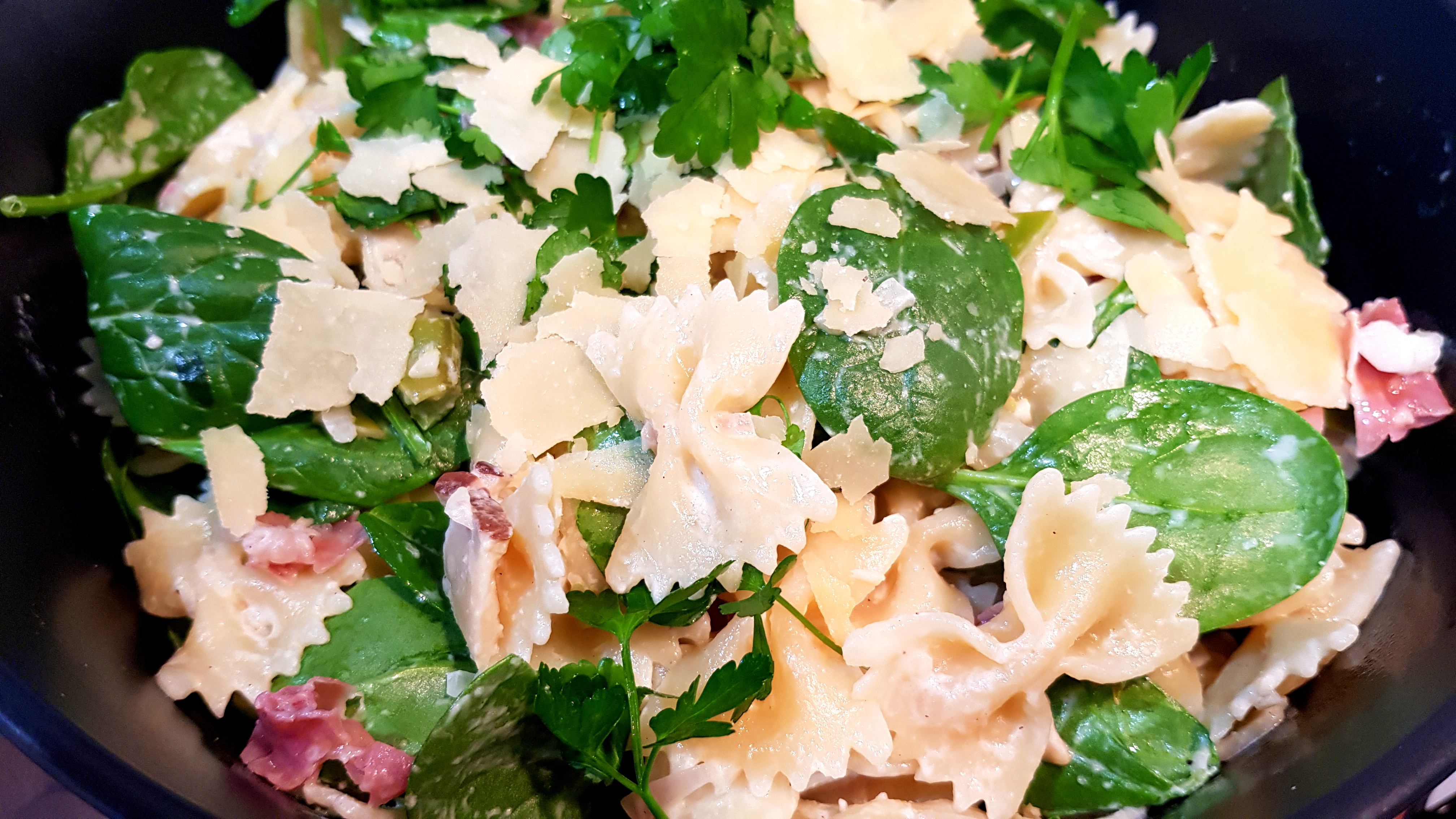
Pasta: Farfalle
Farfalle is an amazing versitile pasta shape. It is perfect for cream, light tomato sauces and even soup.
I like to make my own by rolling out freshly made pasta sheets and cutting them into small rectangles. Then I roughen the sides with a knife and pinch them in the middle to get that classic butterfly/bowtie shape.

Here I have sautéed shallots, garlic and mushrooms in some white wine. I then added the cooked pasta and some of the pasta water to the pan with some Crème Fraîche. Once mixed I added a large handful of Parmigiano-Reggiano and some baby spinach.

Enjoy,
PK
Here are a few more pasta shape and recipe posts.
Written by
·
-
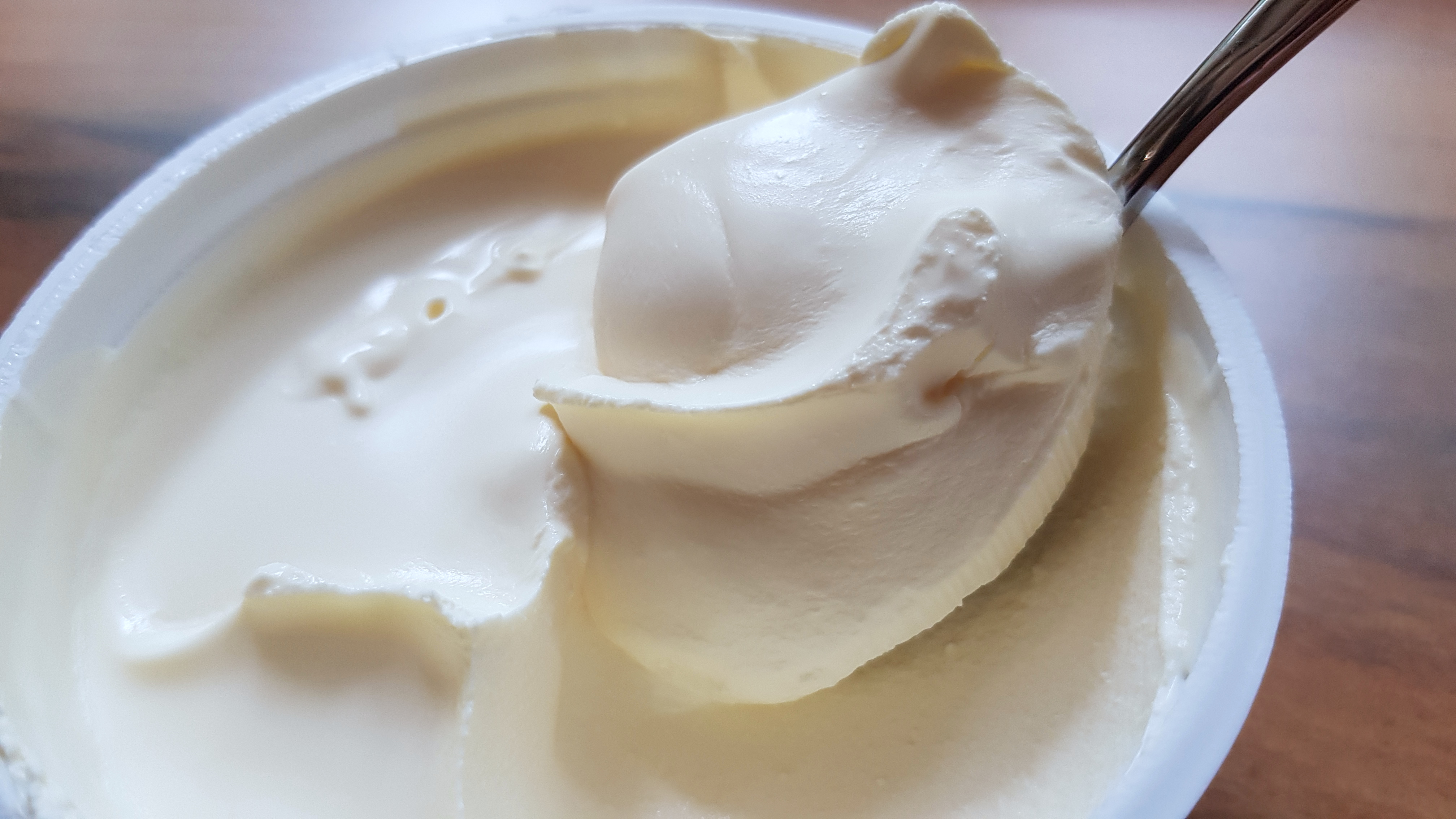
Crème Fraîche
Crème fraîche is made from a high fat content cream that has be soured using friendly bacterial cultures. It is smoother than sour cream and much less tangy.
It holds up well when heated due to its fat content, making it perfect for cooking. It is also perfect for serving cold alongside cakes and pastries.

I use it in my soups, stews and pastas (like my spaghetti carbonara).
Here is another example, baked salmon with creamy pearl cous cous.

Please let me know what you like serving it with.
Enjoy,
PK

Written by
·
-

Ginger: Grow And Eat
Ginger root (originally from Southeast Asia) is one of the most common spices used in cooked dishes, baking, drinks and confectionery. It pops up in European, Indian and Asian cuisines having been traded and planted around the world.
It is easy to grow in warm climates. I simply buried a few roots about 10cm down in rich organic soil and waited for new stems to appear. Unlike galangal the leaves suffer a bit in the Perth summer sun and that might guide your choice of planting location.


Ginger flower – By Venkatx5 – Own work, CC BY-SA 3.0, https://commons.wikimedia.org/w/index.php?curid=20134351
You can wait for the stems to die and harvest the whole root but I just go out when I need fresh ginger and dig a bit up. You can then cut off what you need and replant the rest.

When cut it has a pungent smell that is both sweet and peppery.

If you would like to see recipes using ginger please click here.
Enjoy,
PK
Written by
·
-
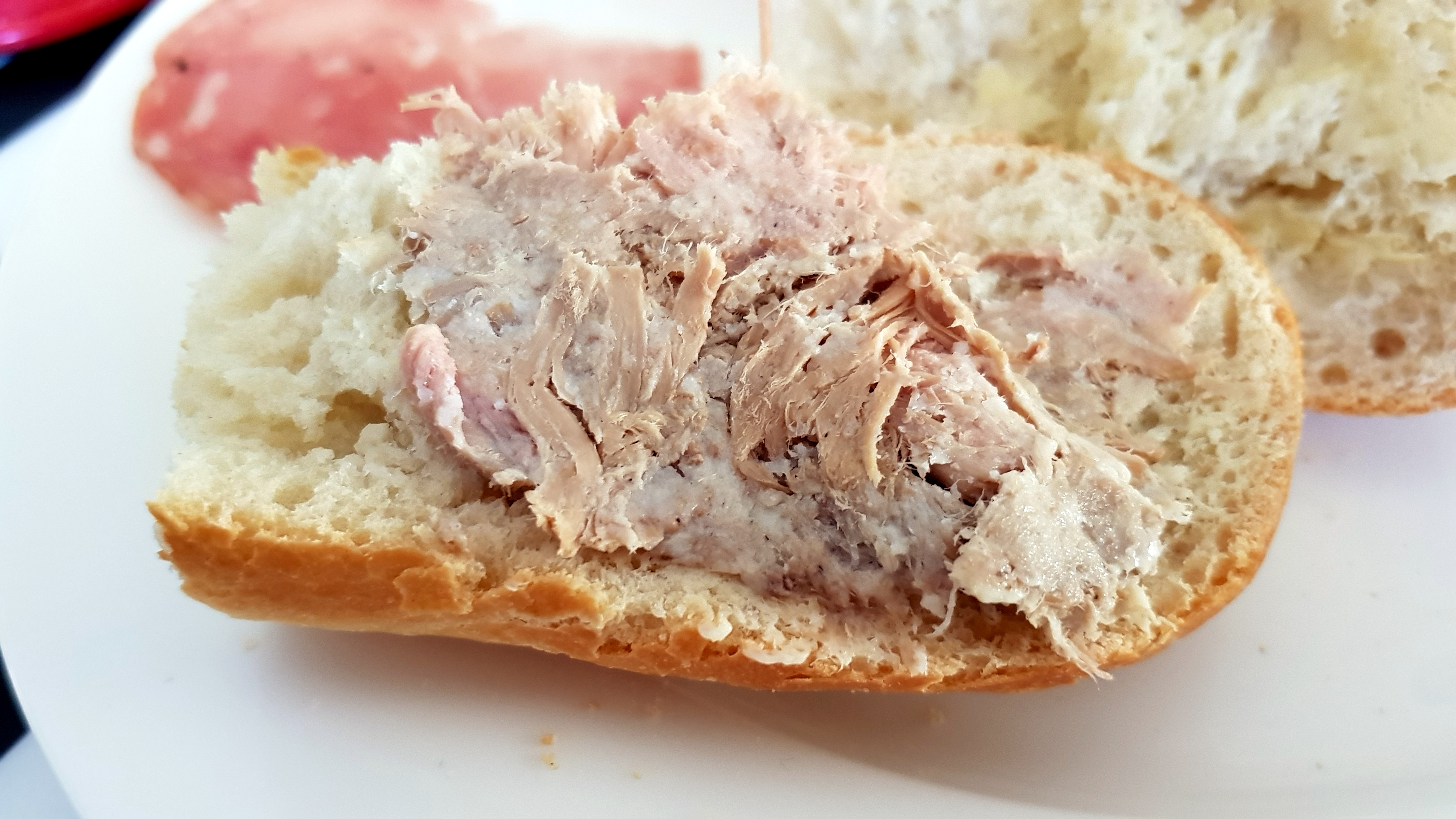
What Are Rillettes?
Rillettes are a preserved meat product, traditionally using pork meat that has been salted, cooked and stored in its own fat.
As such it is a type of confit.
Wow it is a show stopper! It tastes a bit like rough textured pate and despite appearances, is not fatty or greasy.

Try serving it on crusty bread alongside other preserved meats and pickled vegetables.
I also love it in salads and it makes a mean sandwich with cheese, tomatoes and leafy greens.

Enjoy,
PK
YOU MIGHT ALSO LIKE
BROWSE INGREDIENTS POSTS
THE FULL GICICI INGREDIENTS LIST
Please consider subscribing to a weekly email summary of our posts or check us out on Facebook @growitcatchitcookit.
[mc4wp_form id=”15771″]
Written by
·