Tag: essentials
-
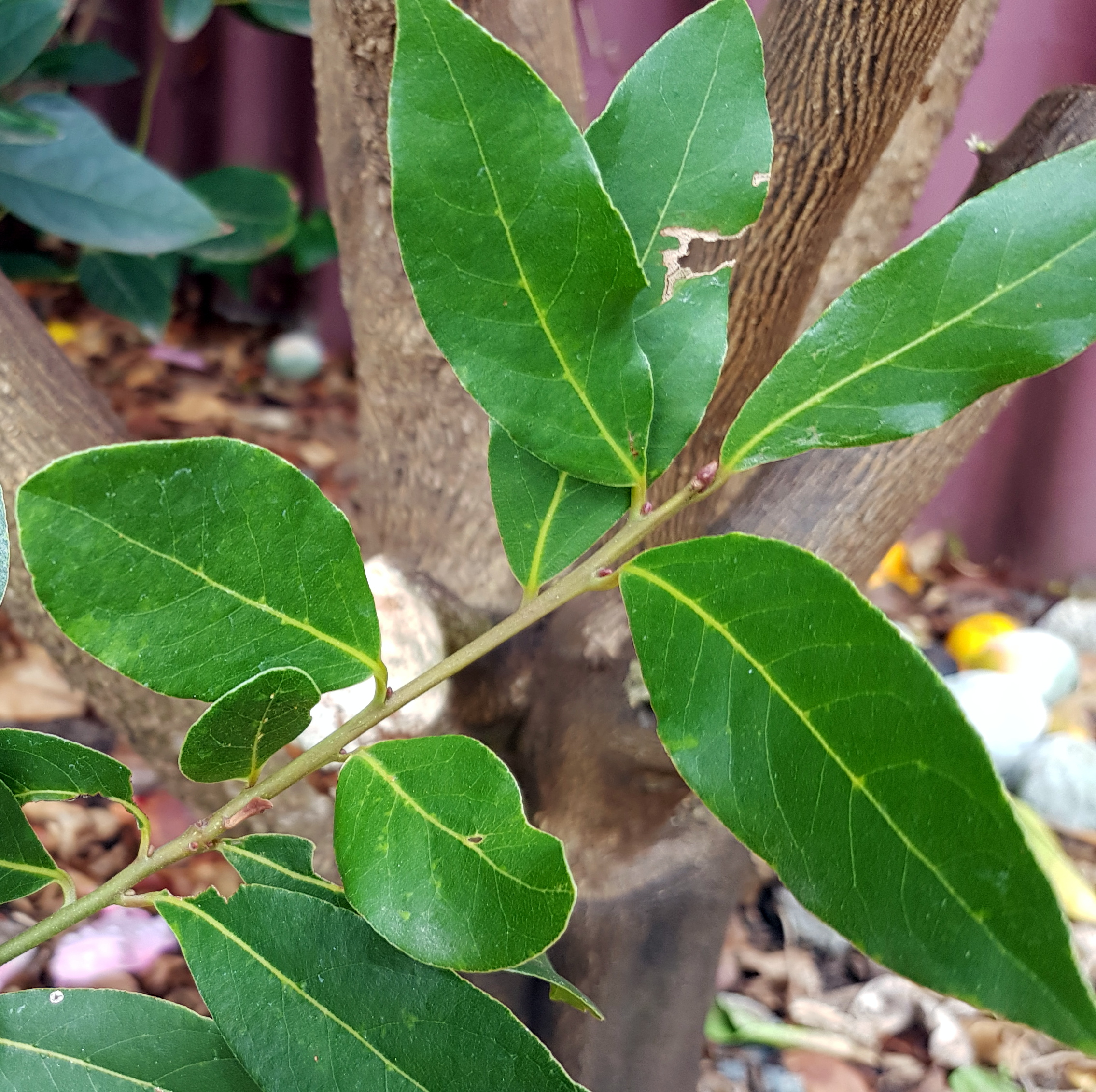
Bay Leaf Tree: Grow and Eat
The humble Bay Leaf tree is a must have in a kitchen garden. Once you try fresh or freshly dried bay leaves in your cooking you won’t go back to the store bought version. Like many herbs, they lose their fullest, layer rich aroma and taste as they wait in transport and store shelves.

I normally use one or two small leaves fresh from the tree. I haven’t found them to be overpowering like some websites suggest.
I use them whole in stews, casseroles, curries, the list goes on. I always remove them post cooking (bouquet garni bags make this easier). They give the liquid in said dishes a earthy almost bitter tang. By itself this might not sound tasty but it works with the other ingredients to make a dish tastier than the sum of its parts.

I also recently got into bay leaf tea. It is a refreshing change despite it being reminiscant of a cup of mild green tea. It is like drinking the Aussie bush. 🙂

Dietary Info: Great for vegetarians, vegans and is gluten free.
This particular cooking ingredient is in PK’s Essential Pantry Cupboard Contents.
Enjoy,
PK
YOU MIGHT ALSO LIKE
MORE RECIPES USING BAY LEAVES
THE FULL GICICI INGREDIENTS LIST
MORE VEGAN , VEGETARIAN , GLUTEN-FREE INGREDIENTS AND MEALS
GICICI’S WHAT’S GROWING IN PERTH?
Follow these links to see what to plant in a given month or read my monthly journal where I talk about what I am doing, have learned and have harvested.
JANUARY’S PLANTS OR PK’s Journal
FEBRUARY’S PLANTS OR PK’s Journal
MARCH’S PLANTS OR PK’s Journal
APRIL’S PLANTS OR PK’s Journal
MAY’S PLANTS OR PK’s Journal
JUNE’S PLANTS OR PK’s Journal
JULY’S PLANTS OR PK’s Journal
AUGUST’S PLANTS OR PK’s Journal
SEPTEMBER’S PLANTS OR PK’s Journal
OCTOBER’S PLANTS OR PK’s Journal
NOVEMBER’S PLANTS OR PK’s Journal
DECEMBER’S PLANTS OR PK’s Journal
Please consider subscribing to a weekly email summary of our posts or check us out on Facebook @growitcatchitcookit.
[mc4wp_form id=”15771″]
Written by
·
-
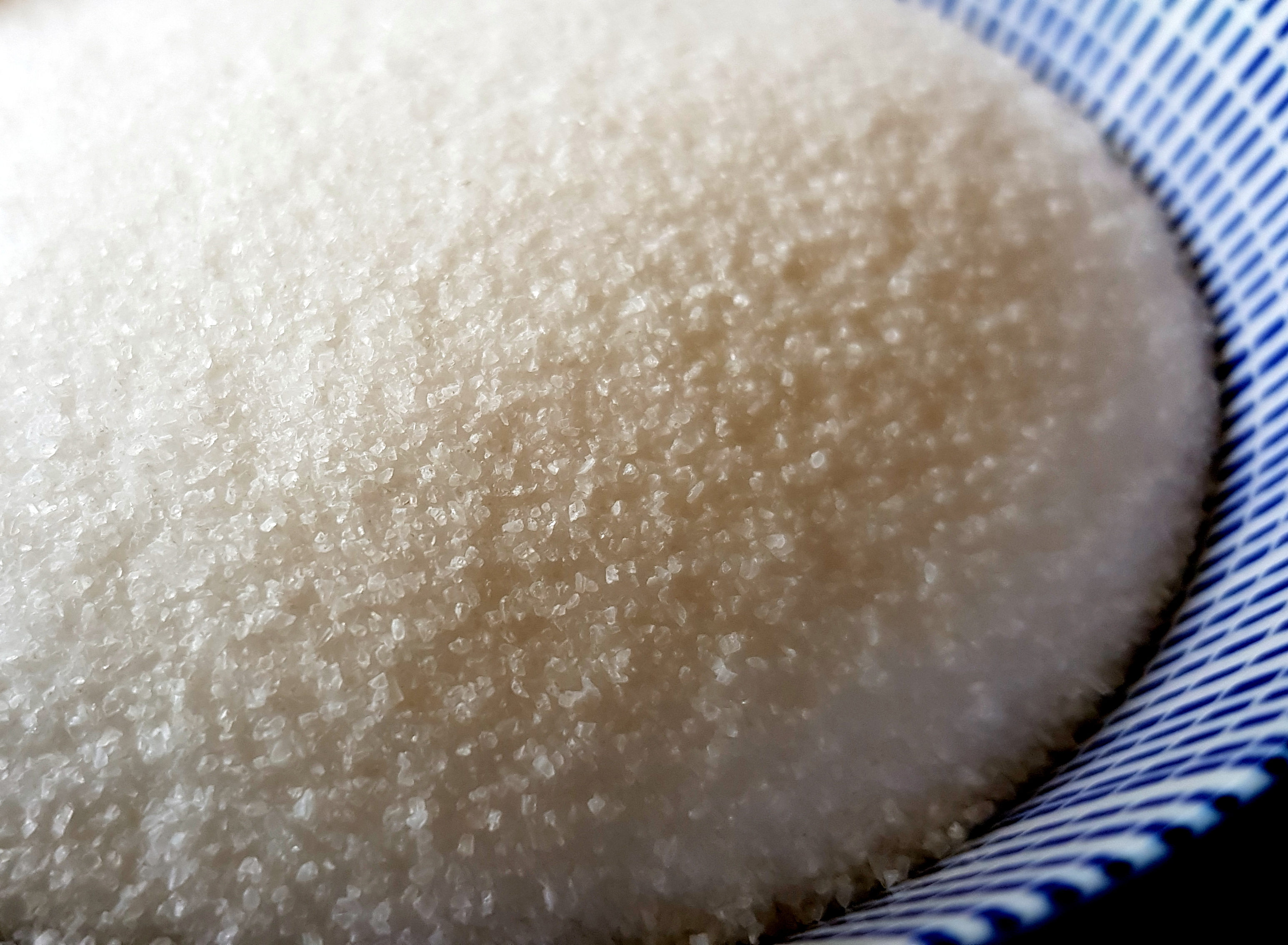
Table Salt
We all need salt to live. It is an essential component of our bodily fluids and as it leaves our body it needs to be replaced. It is only when too much salt is in our diets that it causes a negative effect on our health.
From a cooking perspective you use salt to bring out not only savoury flavours but also sweet ones. Salt changes the structure of proteins, pulls in juices and even affects your taste buds at a physical and cognitive level. I am not even going to pretend I know how :).
Salt is also indispensable in the preservation of food via salting/curing (its drying properties) or in high saline solutions that inhibit bacteria thus prolonging the life of food stuffs.
So what is table salt. In Australia salt generally comes from the evaporation of seawater to produce salt crystals that are then processed to remove impurities. The ‘rock’ crystals are then ground and mixed with anti-caking additives to make what is called ‘table salt’.
I cook with Saxa table salt (I grew up with this brand) as it very convenient to pour into tablespoons etc. If I am adding salt to my personal meal I use rock salt in a grinder.
Enjoy,
PK
YOU MIGHT ALSO LIKE
OTHER SALT PRODUCTS
THE FULL GICICI INGREDIENTS LIST
Please consider subscribing to a weekly email summary of our posts or check us out on Facebook @growitcatchitcookit.
[mc4wp_form id=”15771″]
Written by
·
-

Curry Leaf Trees
I love curry leaf trees.
The sight and the aroma they release when you brush past them make me smile. They can be hard to find in a nursery and they are not cheap. I got mine from Bunnings as a small seedling.
I am keeping it to less than two meters tall through regular harvesting and pruning. The soil around it drains well and is about 6.5 to 7.0 pH. As you can see, I have removed the lower branches completely and planted other herbs around the base with no problems.
Occasionally, ripe fruit drops and successfully germinates. I transplant these into pots and give them away once they are matured enough.

Edit: I have had my first flowers (4 years in):

I was a bit unsure myself what a sprig of curry leaves is as some of the recipes I use call for 10 sprigs. On the right of the plate below is about 5 sprigs, it seems a lot but trust me it is right. I am yet to ‘over do it’ on the curry leaf front ☺.
Strip the leaves off the twigs and add them as required to the dish If you are wondering, the leaves are safe to eat.
Fresh is best, then refrigerated from your local Asian grocer, then and only then, dried leaves. 🙂

Whenever I ask people if they want some fresh curry leaves from my kitchen garden they mostly ask what you can do with them. If you click on this link you will find a growing list of recipes that use curry leaves.
Enjoy,
PK
Here are some curry leaf and general ingredients posts:
Written by
·