Tag: cooking techniques
-
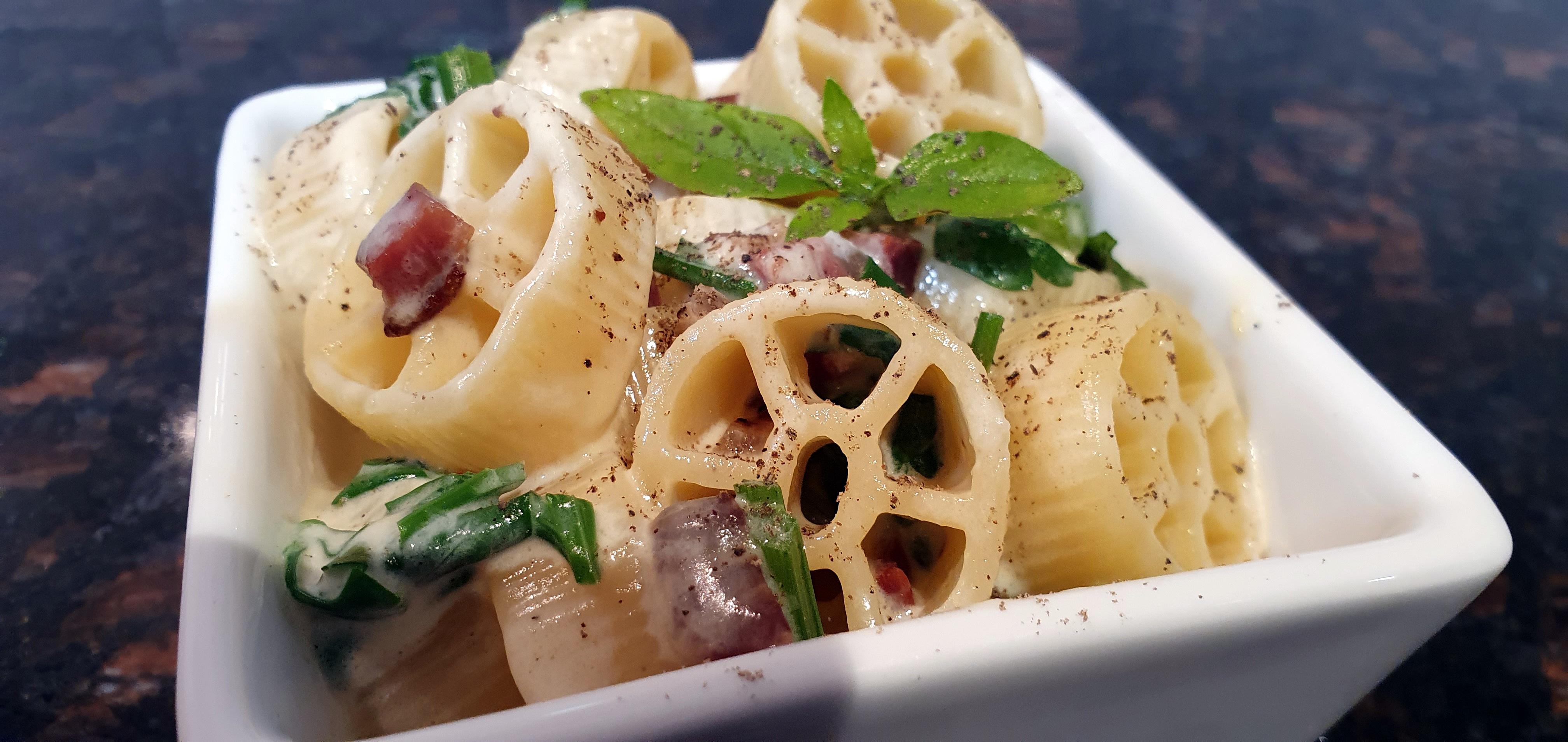
What Are Amuse-Bouches?
‘Amuse-bouche’ is a lovely French cooking term meaning ‘mouth amuser’. They are creative little morsels that are not on the menu, instead they are offered free by a chef or cook to excite guests for the coming feast.
If you are thinking ‘appetisers’ then you are on the right track.
I like to make little whimsical pasta creations.

Just make them small, colourful and aromatic and your guests will be begging for more. 🙂
Pickled baby octopus, slices of green olive and rosemary:

Enjoy,
PK
Here are some more cooking techniques and French cuisine:
Written by
·
-
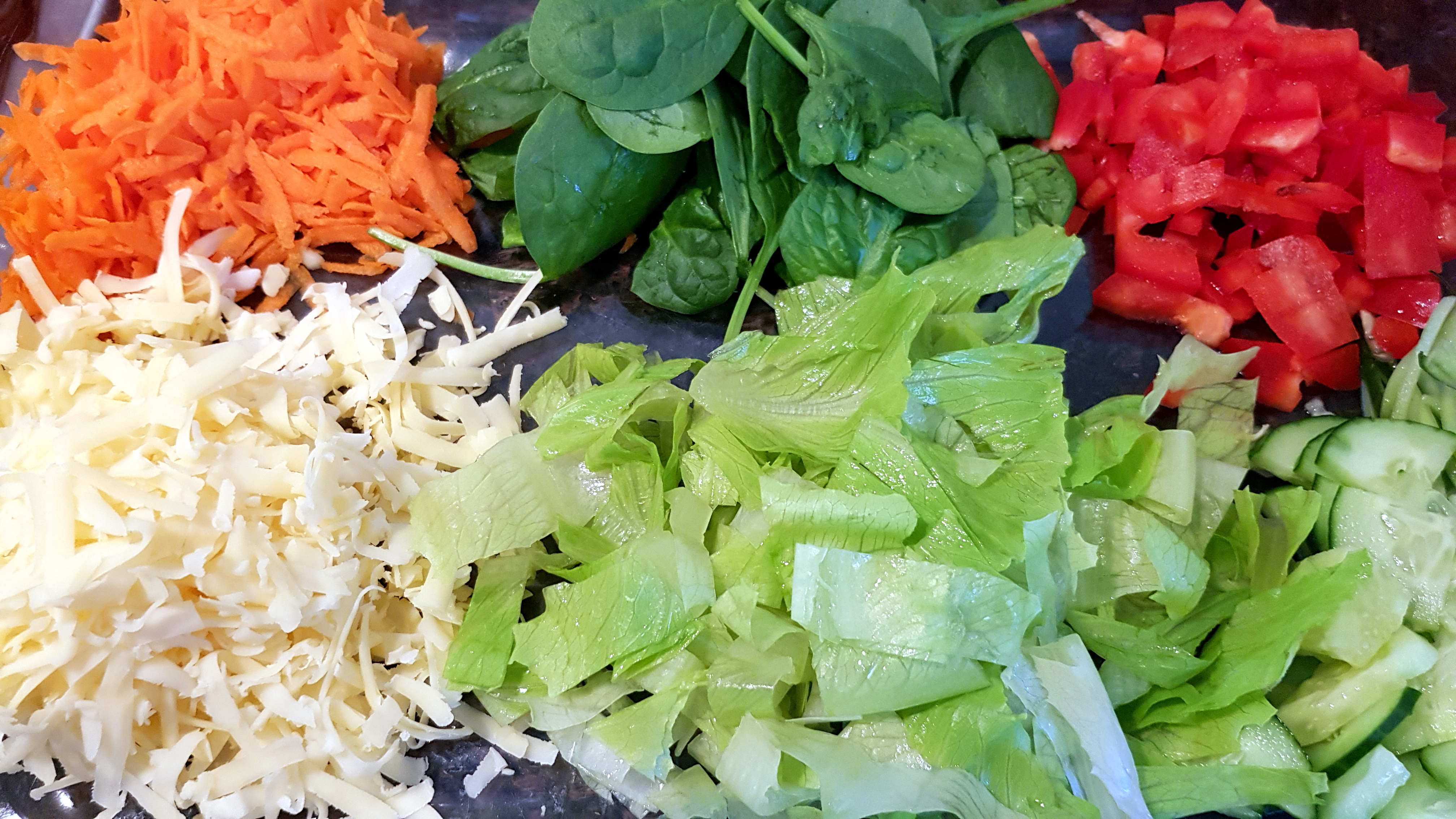
What Does Mise en Place Mean?
Mise en Place is a lovely French cooking term for getting ourselves organised before we cook. We all do it in varying degrees.
I like to prepare all of the ingredients ahead of time, it makes me less stressed in the kitchen. 🙂
I even get all the utensils, pans, bowls etc out that I need ahead of time.
Let’s get ready:


Enjoy,
PK
Here are some more cooking techniques:
Written by
·
-
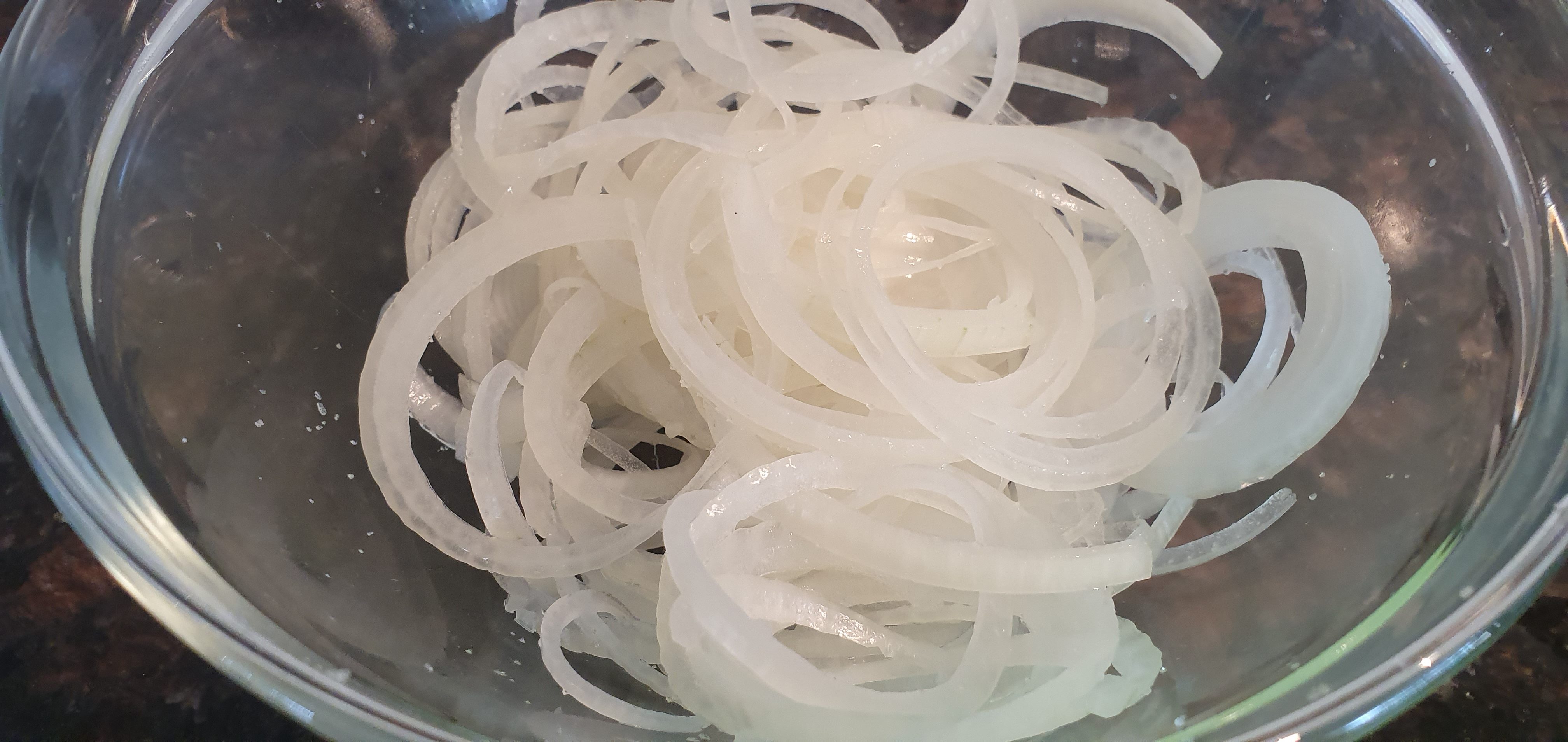
What Does The Cooking Term Maceration Mean?
Maceration is the technique of soaking fruit or vegetables in a liquid. This liquid is often their own juices that are drawn out using salt and or sugar. The goal of maceration is to enhance flavour, improve texture and aid in digestion.
A good example is Friggione, an Italian slow cooked tomato and onion relish where the onions are macerated for 4 hours. The drawn out water is retained in the dish for flavour and the onions take on a creamy texture when cooked.

You can also use this technique on vegetables that have a high water content such as egg plant or cabbage. Cooking these types of vegetable can make them become a soggy mess.
Macerating cabbage for 30 minutes is great for salads too.
Simply
Use a colander with a bowl underneath to catch the juice. Sprinkle some salt and sugar on the cabbage.


Discard the water that is extracted.

Rinse the cabbage and pat dry to get nice crispy shreds with an enhanced flavour.

Enjoy,
PK
Here are some more cooking techniques:
Written by
·
-

Basic Kitchen Skills: Broiling And Grilling
Broiling and grilling refer to very similar processes in the kitchen or outdoor cooking scenario. Both involve placing food near strong heat sources and turning the food to cook one side at a time. Both methods cook the food relatively quickly and are considered somewhat healthy as the fats and juices drain away.
So what’s the difference?
Broiling generally refers to cooking food using a heat source above the food:
Photo by Louis Hansel @shotsoflouis
Grilling sees the heat source below the food like on this barbecue:

Enjoy,
PK
Here are some more cooking techniques:
Written by
·
-
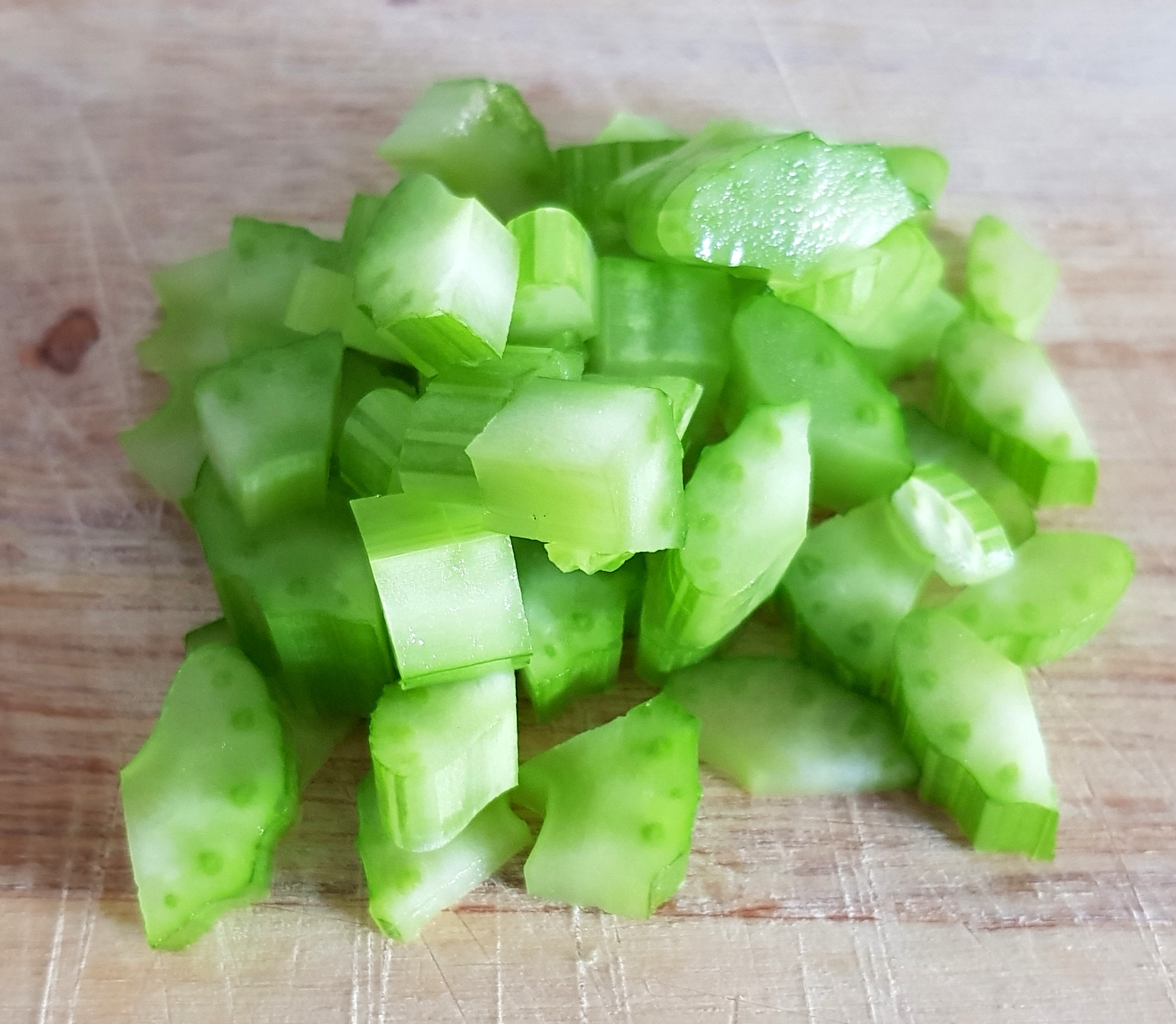
How To Easily Dice Celery
I love learning new ways to slice and dice. Here is a fun and quick way to both fine and rough dice celery stalks.
Lay the stalk like this.

Slice 3 slices along the stalk for rough chop and 5 for finely diced. Note how I stopped slicing before I hit the base of the stalk.

Then slice across the stalk to get the desired end result. Make the slices closer together for finer dicing.


Enjoy,PK
If you liked this post you might like these too.
Written by
·
-

What Are Soups, Stock, Broths And Stews?
Is it just semantics or is there a real difference between soups, broths, stews and stocks? If you do a search online you will find a lot of conflicting definitions and see that the terms are used interchangeably.
So I am going to throw in my two cents too. 🙂
I believe it is all about the desired outcome.
Stock
For me, stock is an ingredient of broths, soups and stews.
I keep my vegetable stock very simple. It is basically the holy trinity (celery, carrot and onion) in water cooked on low heat overnight. I make chicken, beef, lamb and rabbit stock by also adding their bones and scrap meat.
Hot tips:
- Always start with room temperature water as hot/boiling water traps the flavours in the vegetables, we want the opposite affect.
- Make stock in large batches and freeze it for future use. For examples see my Slow Cooker Chicken Stock or Rabbit Stock.
Broth
I might then take a stock and build flavours on top, generally by the use of additional vegetables, herbs and spices. If I am using a vegetable stock I might add bones too.
I don’t cook it for long and it is for immediate use. After straining you could eat it right away.
Soup
I then take stock or broth and add ingredients (sometimes separately cooked) like meat, pasta, noodles, potato and then garnish with fresh vegetables. As a rule of thumb you need a bowl and a spoon.
Stews and casseroles
For me, a stew is something you can eat off a plate and generally has little sauce. It is as much about the method of cooking ie stewing the meat in juices, as any other characteristic.
We generally use casserole and stew interchangeably in Australia.
Enjoy,
PK
Here are some more cooking techniques:
Written by
·